A former factory driver for Porsche and current brand ambassador, Patrick Long, holds a special place in his heart for the 996-generation 911 GT3 Cup. This model was instrumental in forging his enduring connection with Porsche. Throughout his illustrious career, predominantly spent behind the wheel of various 911 models, he regards the Cup car as an essential foundation for aspiring racers, providing transferable skills beneficial across a spectrum of racing vehicles. Its unique rear-engine configuration coupled with a high-revving power plant makes it an exceptional instrument for skill development.
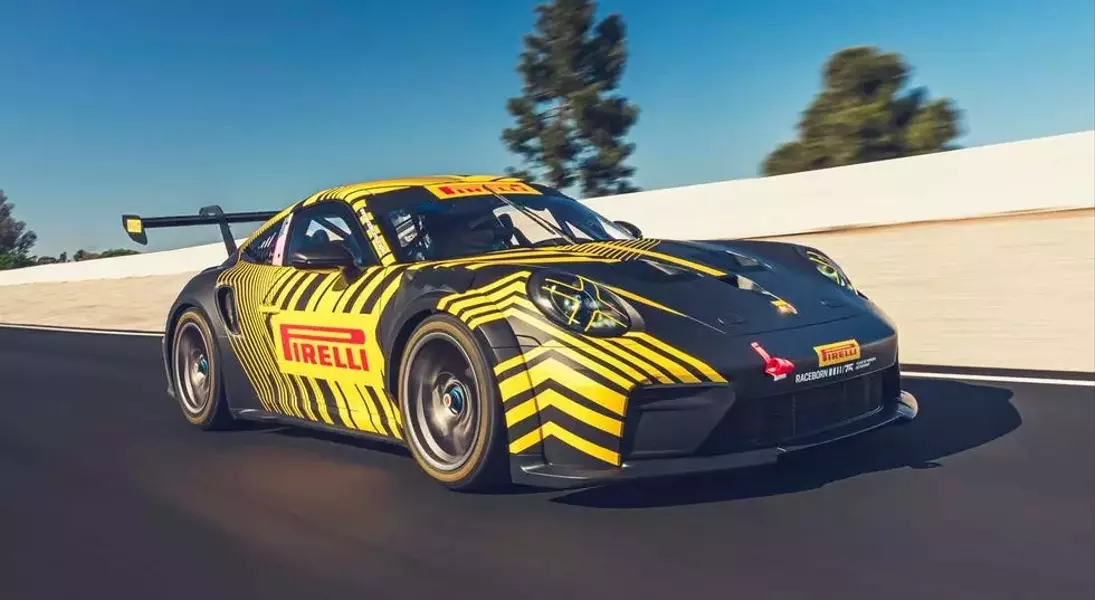
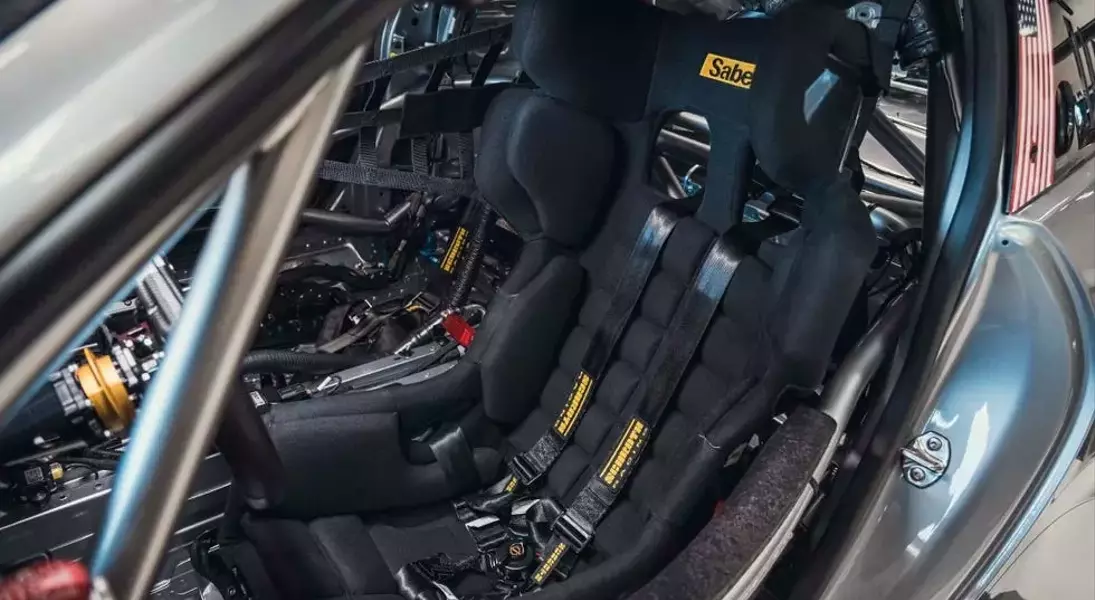
At the Porsche Experience Center in Los Angeles, we had the opportunity to follow Long in the latest 992.2 911 Cup car, gaining insight into its driving dynamics. Navigating a challenging 13-corner track with minimal run-off, where Jersey barriers often sit mere feet from the racing line, initially gave us pause. However, with each successive lap, our confidence grew, allowing us to push closer to the vehicle's limits. The distinction between a road car and a race car on the track is profound, particularly evident in the race-specific seating and harnesses that secure the driver, enabling greater focus on steering input and precise braking. The Cup car's steering, notably lighter than that of a road-legal GT3, provides superior feedback, a result of its stiffer bushings, springs, and other components that enhance communication between the driver and the tires. Unlike road cars that tend to understeer when pushed, the Cup car maintains its turning capability. During rapid transitions, the Cup car maintains remarkable stability, demanding a smoother driving style compared to the more forgiving nature of a street car.
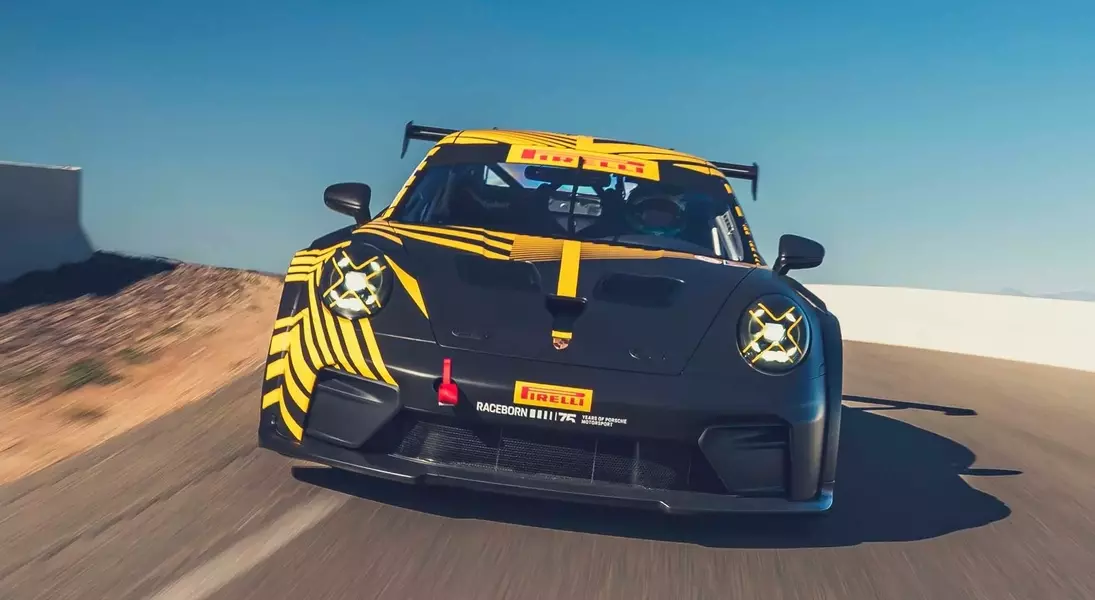
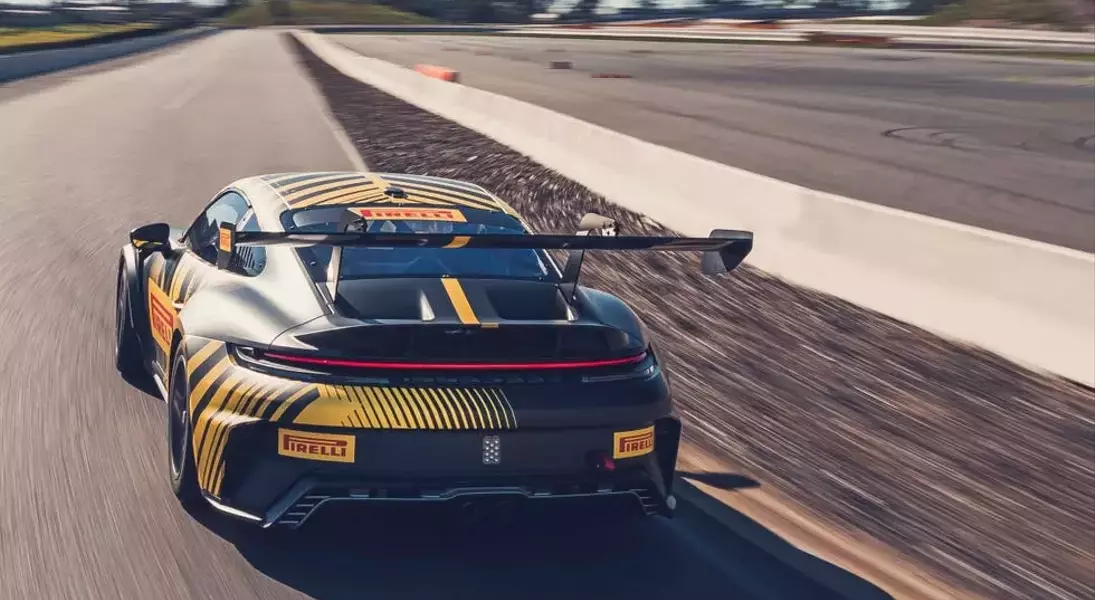
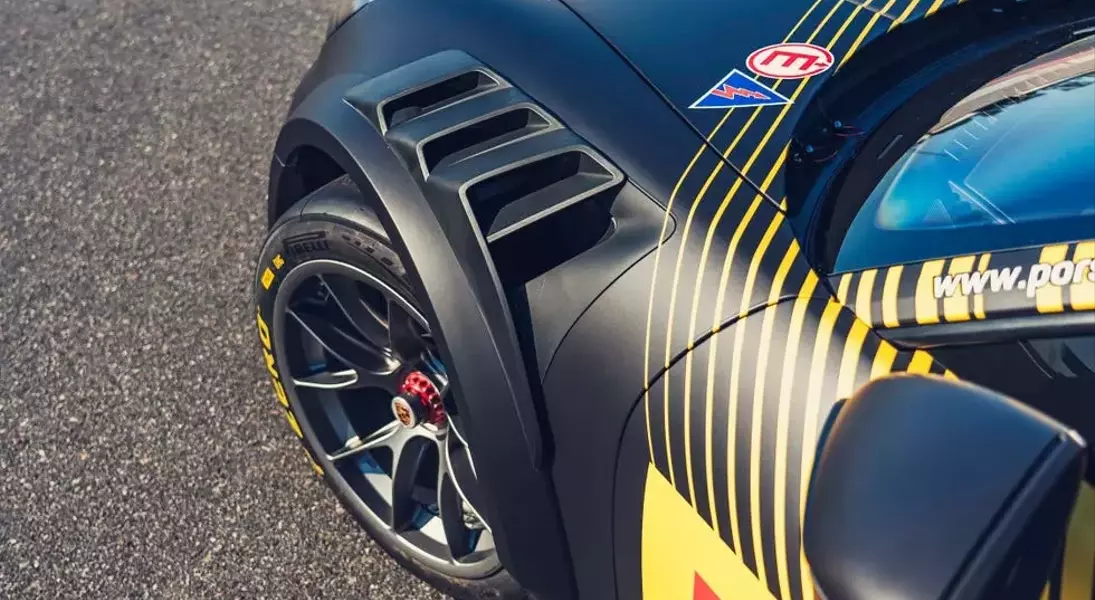
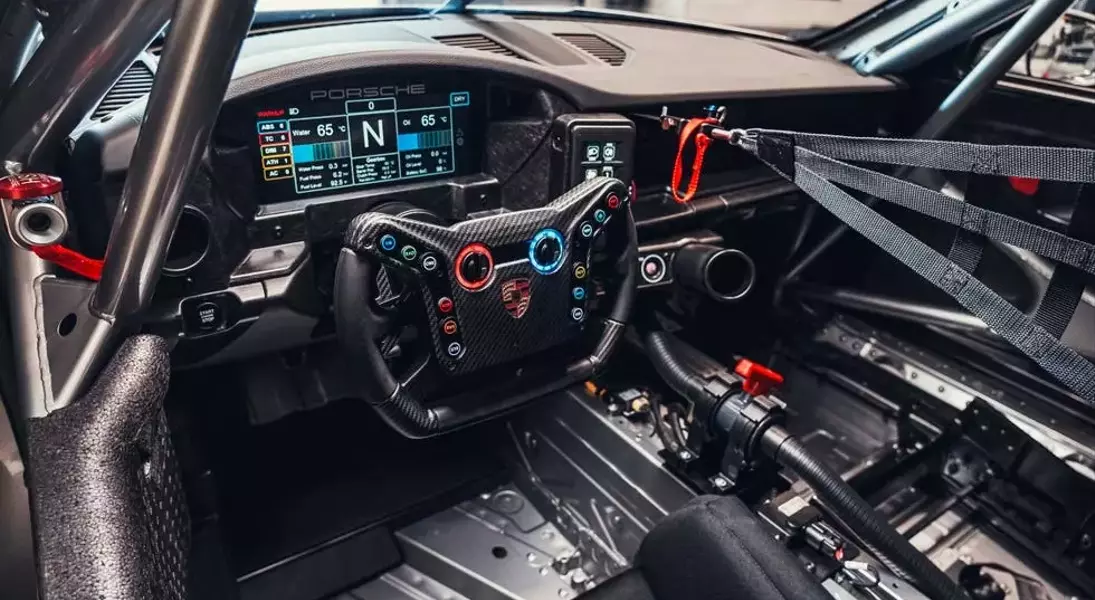
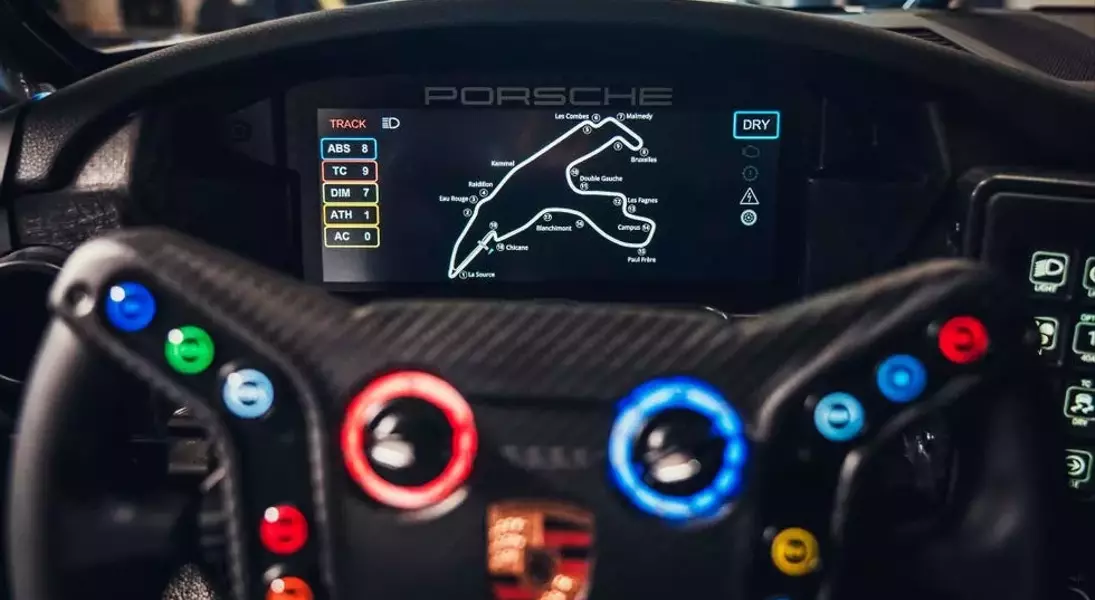
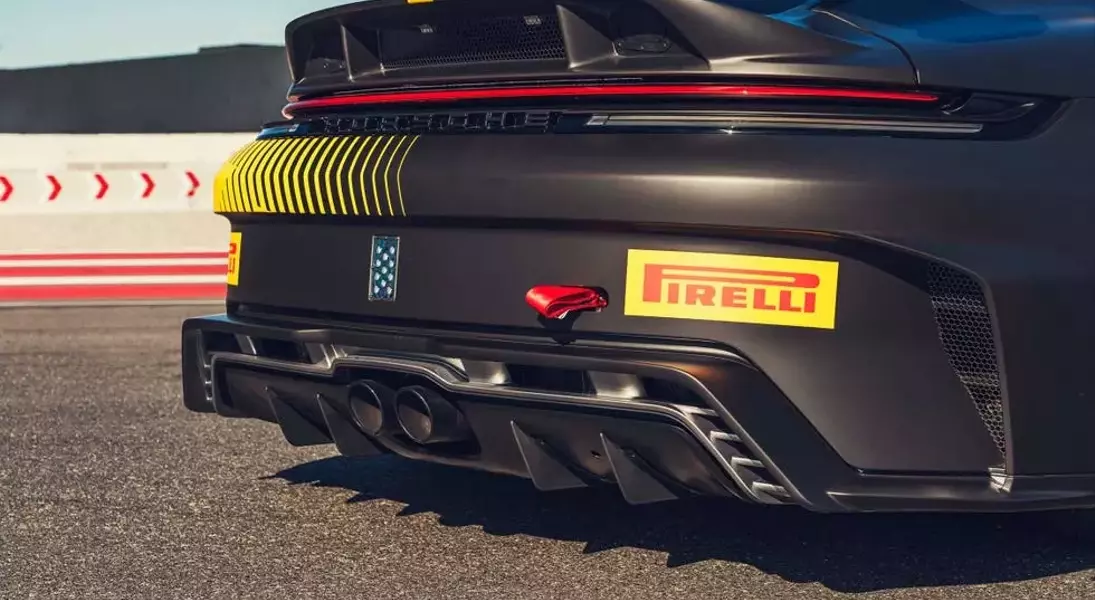
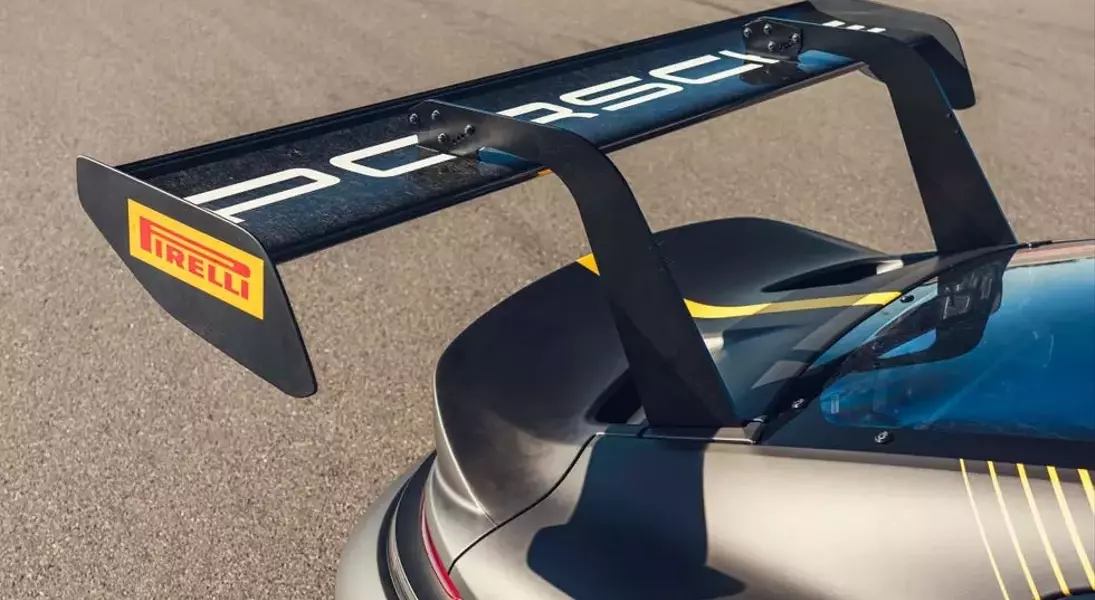
While the engine and throttle response of the Cup car are akin to the 911 GT3—delivering instant and potent acceleration up to its 8750 rpm redline—the Cup car's approximately 200-pound weight reduction and a slight power increase to 512 horsepower contribute to a heightened sensation of speed, although objective performance gains may be marginal. The absence of sound insulation and the direct engagement of the paddle-shifted sequential manual transmission, a stark contrast to the seamless operation of a dual-clutch automatic, undoubtedly amplify this perception of rapid acceleration. The braking performance of the Cup car far surpasses that of a street car, as demonstrated by its firm brake pedal and ability to shed speed with remarkable efficiency, a characteristic ill-suited for casual driving but crucial for competitive racing. Porsche meticulously constructs the Cup cars using the same chassis as the street GT3s. The engine, a 4.0-liter flat-six, shares many similarities with its road-going counterpart, with a notable alteration being the switch from individual throttle bodies to a single butterfly valve. Instead of a dual-clutch or conventional manual transmission, the Cup car features a six-speed sequential manual with a robust four-plate racing clutch, operated solely by paddles. Distinctive design elements include larger fender vents than those found on the GT3 RS and the relocation of the fuel filler beneath the hood, where racing-specific components replace standard trim and storage. The car's interior is stripped down for racing, featuring lightweight carbon-fiber doors with fixed plastic windows and newly standard air conditioning for U.S.-bound models. Essential safety equipment, such as a full roll cage, race seat, five-point harness, and window nets, are integrated. The multi-function steering wheel, with its array of buttons for various controls, alongside a central control panel inspired by the 963 prototype, emphasizes driver accessibility to critical functions. The Porsche 911 Cup car is eligible for competition in five U.S. racing series, including the Porsche Carrera Cup North America, with race durations varying from 40-minute sprints to multi-hour endurance events. While the initial investment of $375,000 for a 911 Cup car is substantial, its maintenance requirements, such as a significant service interval of 100 hours, make it a relatively cost-effective option in the realm of GT3 racing. The latest model incorporates technological advancements like the Bosch MS 6.6 ECU, offering features such as auto-restart and in-cabin adjustments that previously necessitated a laptop. Design improvements, including a three-piece splitter for reduced repair costs and the removal of front-bumper DRLs to mitigate heat exchanger damage, further enhance its practicality for racing. Ideally, the Cup car would thrive on a track where its full speed potential, including the optimal setup of its 13-position rear wing, could be explored, perhaps at Virginia International Raceway's Lightning Lap event, offering further insights into its capabilities.
This journey into the realm of high-performance racing vehicles reveals the continuous pursuit of excellence and innovation in automotive engineering. It highlights the dedication to precision, safety, and driver development that underpins competitive motorsport. Such experiences not only push the boundaries of technology but also inspire a profound appreciation for the intricate relationship between human skill and mechanical prowess. Embracing these challenges fosters growth, resilience, and an unwavering commitment to achieving peak performance.
