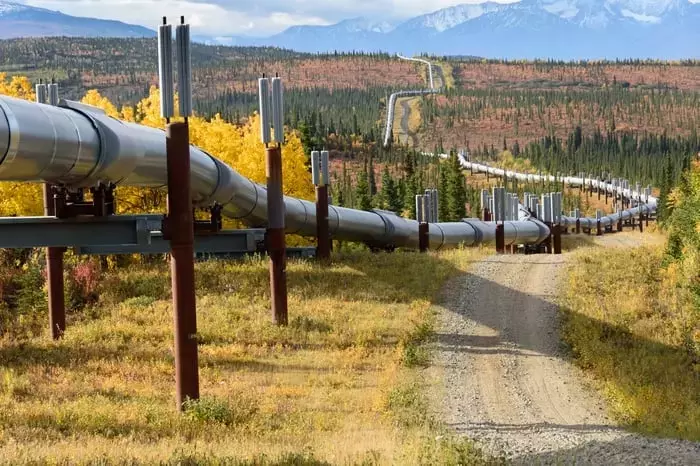
While the spotlight often shines on high-flying artificial intelligence stocks, savvy investors can unearth compelling opportunities in other sectors. This analysis delves into two master limited partnerships (MLPs) within the pipeline industry, Energy Transfer and Genesis Energy, both presenting an enticing combination of growth prospects and generous dividend payouts.
Midstream Giants: Energy Transfer and Genesis Energy Positioned for Growth
On September 26, 2025, investment analyst Geoffrey Seiler presented a detailed overview of two pipeline companies, Energy Transfer and Genesis Energy, highlighting their strategic advantages and future potential. Seiler, a seasoned stock market analyst with expertise spanning various sectors, underscored the importance of diversifying investment portfolios beyond the prevalent technology focus.
Energy Transfer, a prominent player in the U.S. midstream sector, operates an extensive network of pipelines for natural gas, crude oil, natural gas liquids (NGLs), and refined products. The company's vast infrastructure, including storage and processing facilities, allows it to capitalize on both increased volume movements and regional price differentials. Energy Transfer is currently in an aggressive growth phase, with projected capital expenditures of approximately $5 billion for the current year, a substantial increase from the previous year's $3 billion. Key projects include the Hugh Brinson and Desert Southwest pipelines, designed to meet the growing energy demands of AI data centers in Texas and the markets of Arizona and New Mexico, respectively. Furthermore, the long-anticipated Lake Charles LNG project, if realized, promises to secure long-term cash flows, aligning with the global surge in LNG demand, which Shell predicts will grow by 60% by 2040. Financially, Energy Transfer is exceptionally stable, maintaining a low leverage ratio and expecting around 90% of its 2025 EBITDA from fee-based, take-or-pay contracts. Its distribution yield of approximately 7.3% is well-covered, with management committing to annual increases of 3% to 5%, making it an attractive option for income-seeking investors.
Genesis Energy, while offering a different risk-reward profile, is also on the cusp of significant expansion. The company recently underwent a strategic financial overhaul, divesting its soda ash business for $1.4 billion. This move allowed Genesis to significantly reduce its debt and preferred unit obligations, leading to an annual saving of $84 million in interest and preferred payouts, thereby strengthening its balance sheet and enhancing financial flexibility. The imminent launch of two major offshore projects, Shenandoah and Salamanca, is a pivotal factor in Genesis's growth narrative. Shenandoah Phase One is projected to achieve approximately 100,000 barrels per day by the end of September, with plans to expand capacity to 140,000 barrels per day by 2026. The Salamanca project is also on track to begin oil production by the end of the third quarter, aiming for 40,000 to 50,000 barrels per day. Despite a challenging quarter for its marine transportation segment, strong utilization rates support robust day rates. Genesis anticipates generating free cash flow soon and intends to clear its revolving credit facility by the close of 2025, paving the way for potential dividend reinstatements. For investors willing to embrace a higher degree of risk, Genesis Energy offers substantial upside potential as these projects come fully online.
This analysis underscores that both Energy Transfer and Genesis Energy represent solid investment opportunities within the energy infrastructure sector. Energy Transfer appeals to those seeking stable growth and high yield from a well-established entity, while Genesis Energy presents a compelling case for growth-oriented investors after its financial restructuring and the commencement of its major offshore projects. Diversifying into such resilient sectors can provide a balanced approach to market volatility, offering both income and capital appreciation.
