
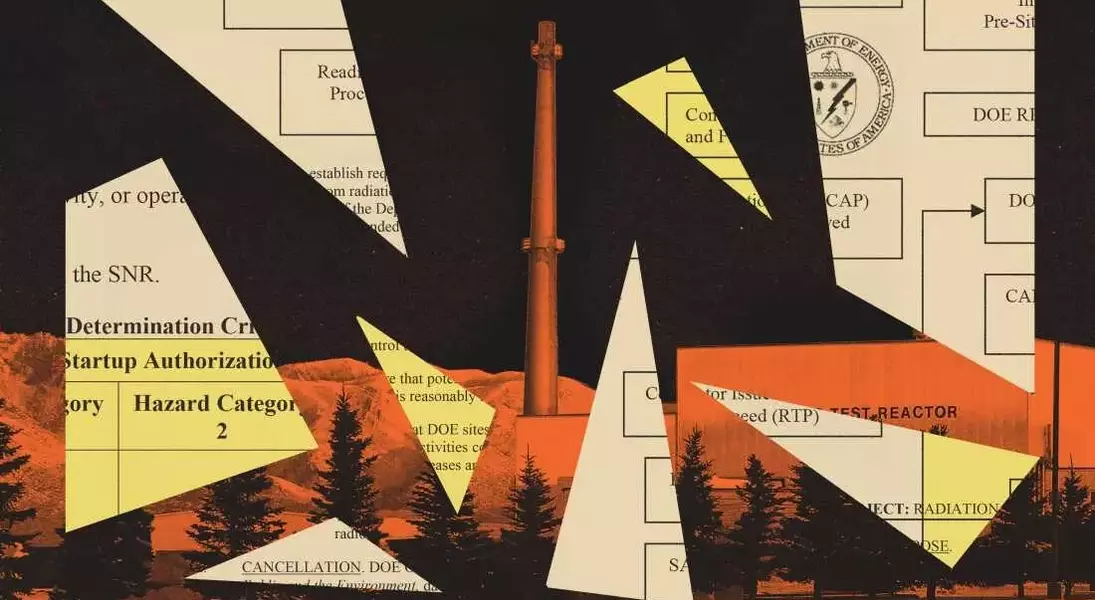
The Department of Energy has now disclosed previously undisclosed regulations governing experimental nuclear reactors, following an earlier investigative report that brought their existence to light. These updated protocols significantly reduce oversight on environmental and security aspects, sparking a debate between proponents of rapid nuclear development and those prioritizing stringent safety measures.
Accelerating Nuclear Ambitions: The Public Disclosure of Streamlined Safety Rules
The Energy Department's Transparency Initiative: Unveiling Revised Nuclear Directives
After an exclusive report from NPR brought the issue to public attention, the Department of Energy (DOE) has officially published its revised regulatory framework for experimental nuclear reactors. These modifications notably loosen environmental and security requirements, a move designed to accelerate the development and deployment of next-generation nuclear technologies.
Presidential Mandate and the Genesis of the Reactor Pilot Program
The impetus for these regulatory changes stems from a presidential executive order, which set an ambitious target for the operationalization of multiple experimental reactors within a tight timeframe. This directive led to the establishment of the DOE's Reactor Pilot Program, expanding the scope of reactors falling under DOE's jurisdiction and allowing for their construction beyond traditional national laboratory sites.
Evolving Oversight: A Shift from Traditional Nuclear Regulation
Historically, the Nuclear Regulatory Commission (NRC) has governed commercial nuclear reactors through a public and transparent process. However, the new DOE rules, which apply to a broader array of experimental commercial designs, signal a departure from this established norm. This shift allows for a more expedited, though potentially less scrutinized, development pathway for advanced nuclear concepts.
Previously Confidential Regulations Now Accessible to the Public
Initially, these internal departmental rules were shared only with ten companies participating in the pilot program, remaining inaccessible to the public until NPR's investigation. Now, the Idaho National Laboratory, which spearheads the Reactor Pilot Program, hosts these updated directives, along with other pertinent policy and standard documents, on its official website, ensuring public access.
Industry Progress and Expert Reservations Amidst Regulatory Streamlining
Despite the ongoing debate, companies involved in the reactor program have pressed forward. Several firms have successfully completed critical safety analyses and are on track to activate their reactors as early as this summer. However, experts continue to voice concerns that the expedited timelines and relaxed regulations could inadvertently jeopardize safety protocols, potentially compromising the thorough assessments typically associated with nuclear operations.
