
The United States' selection of Alma Allen to represent the nation at the 2026 Venice Biennale, marking the country's 250th anniversary, has been met with considerable disappointment. This sentiment arises not from any inherent flaw in Allen's abstract sculptural work, but from the perceived lack of timely social or political commentary in his art, especially given the current climate in the United States.
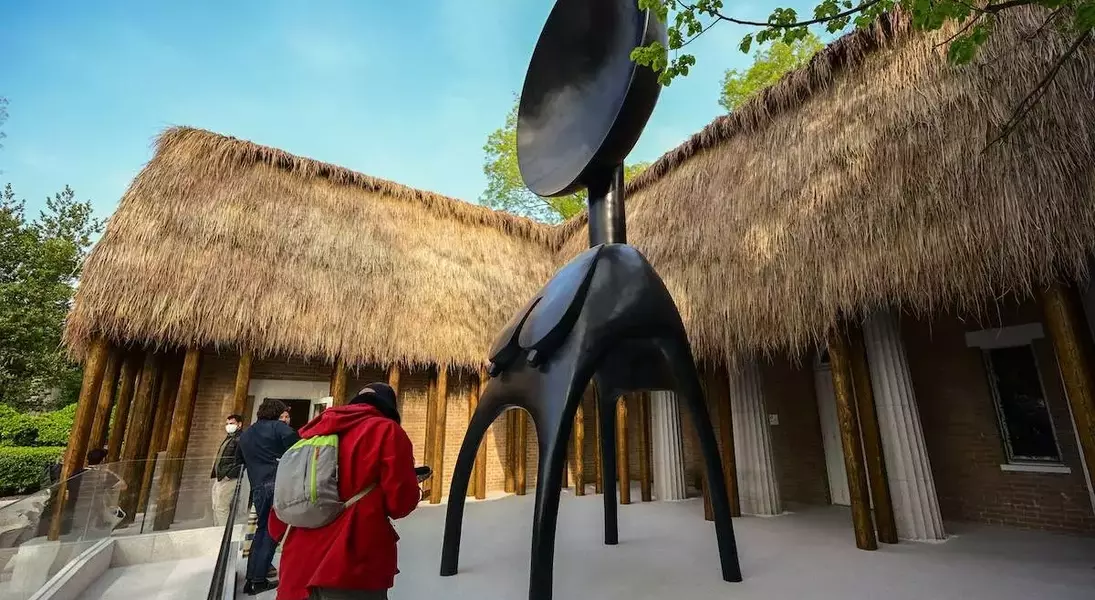
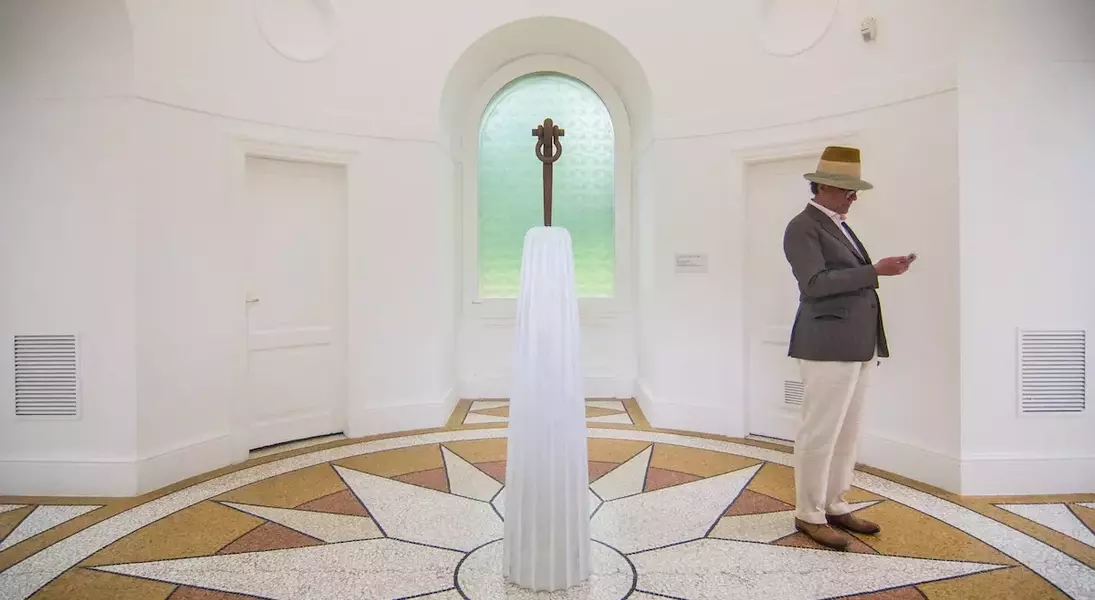
Historically, American pavilions at the Venice Biennale have often served as a platform for artists to critically engage with national ideals and historical narratives. For instance, Simone Leigh's 2022 installation provocatively referenced colonial history, while Martin Puryear's 2019 exhibition confronted the legacy of slavery. Such artists utilized their platform to explore complex facets of American identity and history, a tradition that critics believe the upcoming exhibition under Allen's representation may forgo due to its apolitical nature. The US State Department's involvement in the selection process, coupled with newly imposed guidelines favoring a "non-political character," appears to have influenced this decision, leading to concerns about the suppression of critical artistic expression.
This choice stands in stark contrast to other national pavilions, where artists frequently leverage the Biennale to address significant historical and contemporary issues. Critics argue that Allen's preference for art that avoids direct political engagement, as evidenced by his deliberately ambiguous titles and focus on material and form, may lead to a missed opportunity for meaningful discourse at a pivotal moment in American history. The incident also highlights a broader debate about the role of art in national diplomacy and whether artistic representation should prioritize aesthetic appeal over critical engagement with societal challenges.
This situation underscores the enduring tension between artistic freedom and national representation, reminding us that art, at its most potent, can ignite crucial conversations and challenge prevailing narratives. While aesthetic beauty holds its own value, the global stage of the Venice Biennale offers a unique opportunity for nations to reflect deeply on their histories and present circumstances, fostering dialogue and understanding through the powerful lens of artistic expression. Embracing art that provokes thought and encourages introspection can lead to a more profound and impactful engagement with the world, strengthening both cultural diplomacy and societal progress.