
Renowned filmmaker Wes Anderson is set to captivate art enthusiasts at Gagosian Paris by meticulously reconstructing the workspace of the revered American assemblage artist, Joseph Cornell. This groundbreaking exhibition, dubbed "The House on Utopia Parkway," signifies a significant return for Cornell's work, marking his first solo presentation in the French capital in over 40 years. Anderson, celebrated for his unique visual style and detailed set designs in films like The Grand Budapest Hotel and Asteroid City, brings his visionary approach to this artistic endeavor. Collaborating with curator Jasper Sharp and exhibition designer Cécile Dégos, along with his long-standing creative partners, Anderson will curate an immersive experience featuring more than 300 items from Cornell's personal archives, offering an unprecedented look into the artist's profound world of collecting and memory.
Joseph Cornell, born in Nyack, New York, in 1903, was a self-taught artist whose distinctive work primarily revolved around creating intricate glass-fronted boxes and assemblages. These captivating pieces were meticulously crafted from an eclectic array of found objects, including marbles, vintage maps, forgotten toys, and other fascinating ephemera he fondly referred to as his "spare parts department." Cornell's artistic vision was deeply influenced by Surrealism, the charm of Victorian-era objects, and the nascent art of cinema, consistently exploring themes of nostalgia, introspection, and a profound sense of longing. These very themes resonate powerfully with Anderson's filmmaking, whose narrative and visual storytelling often evoke a similar melancholic beauty and meticulously arranged worlds.
The exhibition, slated to open on December 16th, will not only feature Cornell's iconic shadow boxes and assemblages but also a rich collection of ephemera that underscores his lifelong obsession with collecting and the evocative power of memory. Visitors will be transported into Cornell's creative sanctuary, meticulously recreated based on archival photographs of his New York studio. At the heart of the gallery, Anderson and Sharp have painstakingly staged Cornell's work table, presented as if the artist had just stepped away, offering an intimate glimpse into his artistic process. This includes unfinished boxes and various working materials, many on loan from the esteemed Joseph Cornell Study Center at the Smithsonian American Art Museum, providing invaluable insights into his creative methodologies.
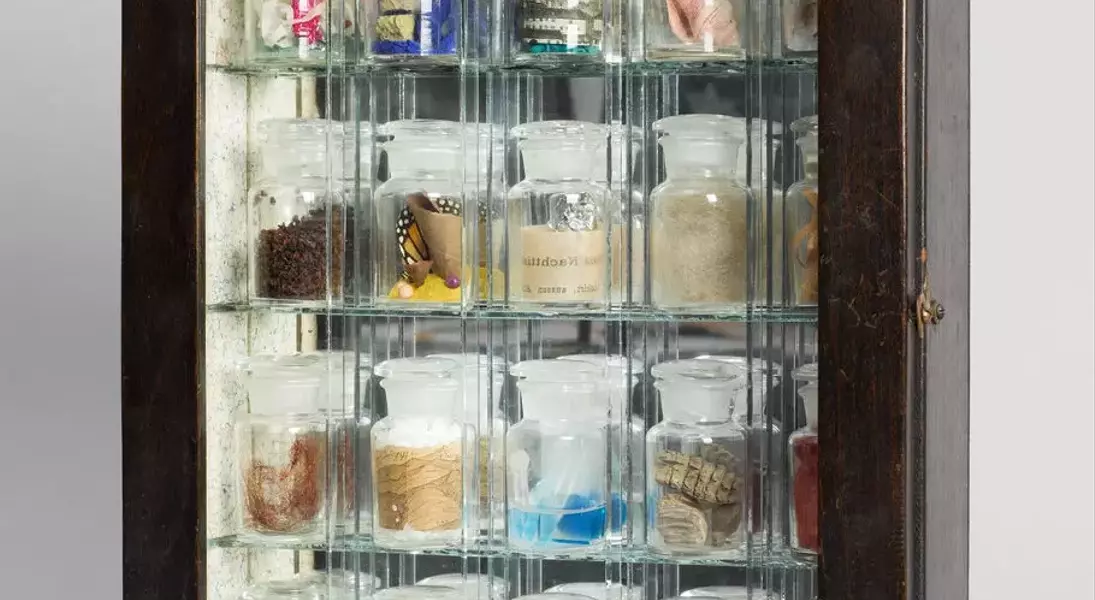
Highlighting the exhibition's significance are several key works by Cornell, each a testament to his unique artistic language. Among them is Pharmacy (1943), an evocative box filled with an array of pharmaceutical bottles, which once belonged to the iconic artist Marcel Duchamp and his wife, Teeny. Another notable piece is Untitled (Pinturicchio Boy) (circa 1950), a poignant memory box that forms part of his renowned "Medici" series. The collection also includes A Dressing Room for Gille (1939), a piece inspired by Jean-Antoine Watteau's famous painting, Gilles (1718–19). These works collectively showcase Cornell's profound ability to transform mundane objects into powerful narratives, reflecting his deep engagement with art history and personal introspection.
The upcoming exhibition at Gagosian Paris, curated with the distinct vision of Wes Anderson, promises to be a profound exploration of Joseph Cornell's enduring legacy. By recreating the artist's intimate studio space and showcasing his diverse body of work, the exhibition aims to illuminate Cornell's intricate world of found objects, memory, and artistic innovation. This unique collaboration offers an immersive journey into the mind of an artist whose meticulous craftsmanship and poetic sensibility continue to inspire, revealing the intricate connections between personal collections and profound artistic expression.