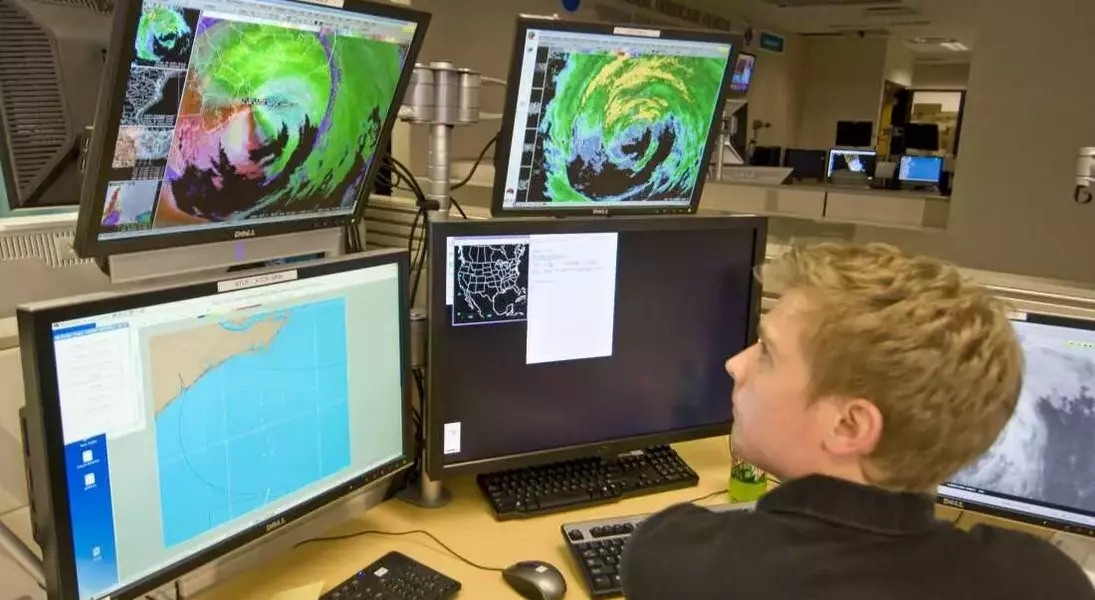
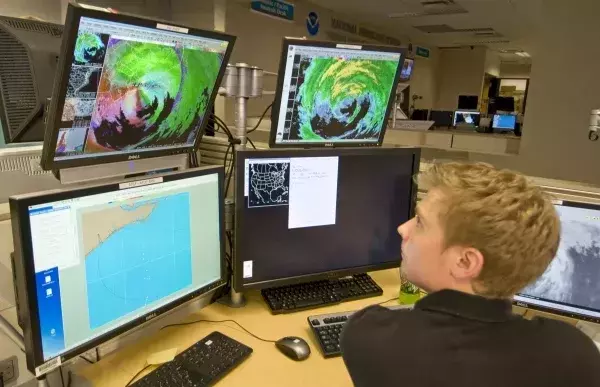
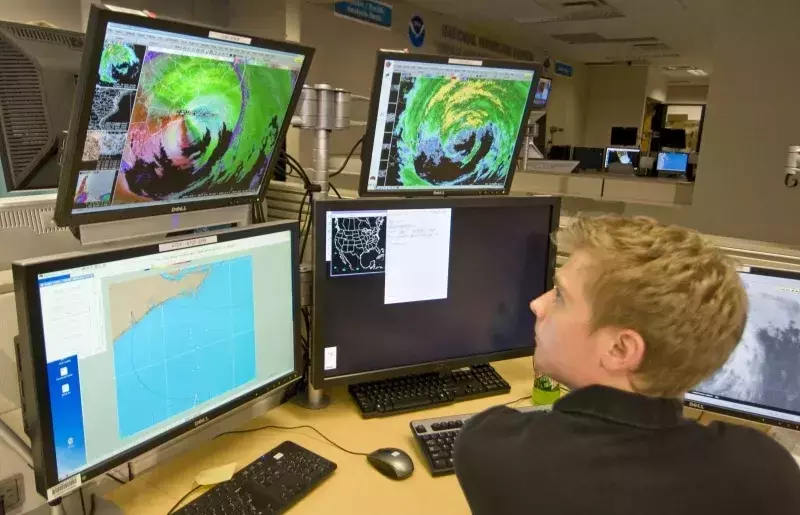
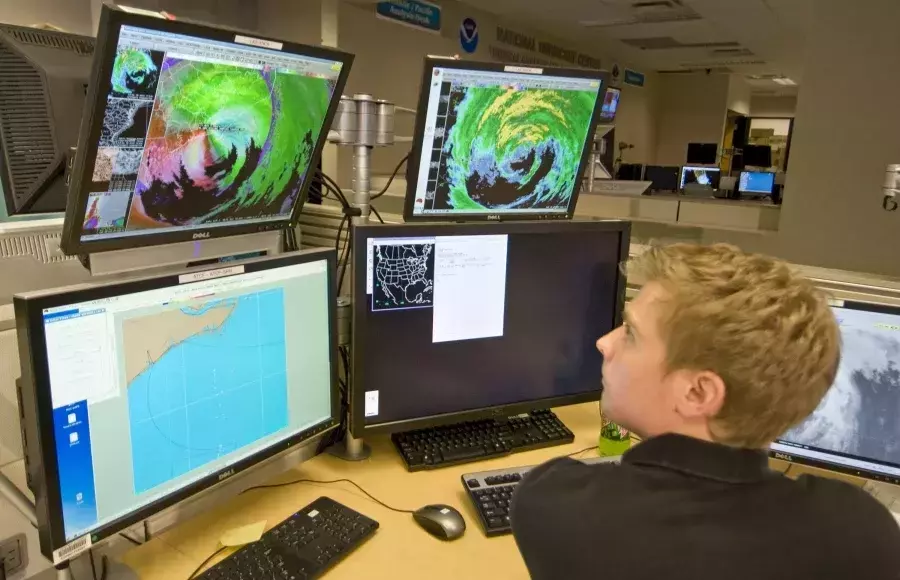
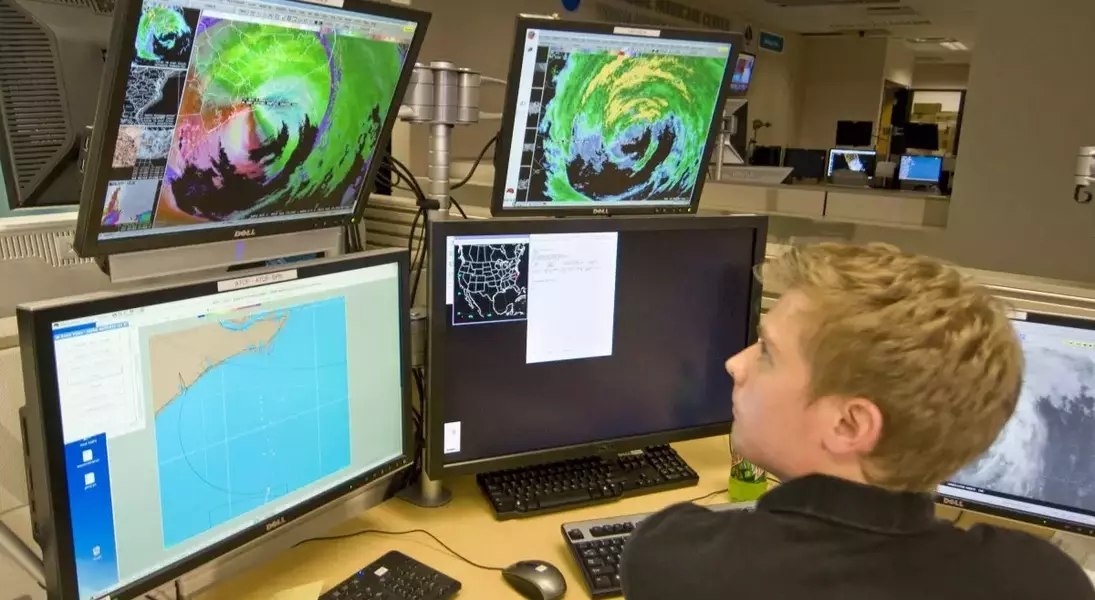
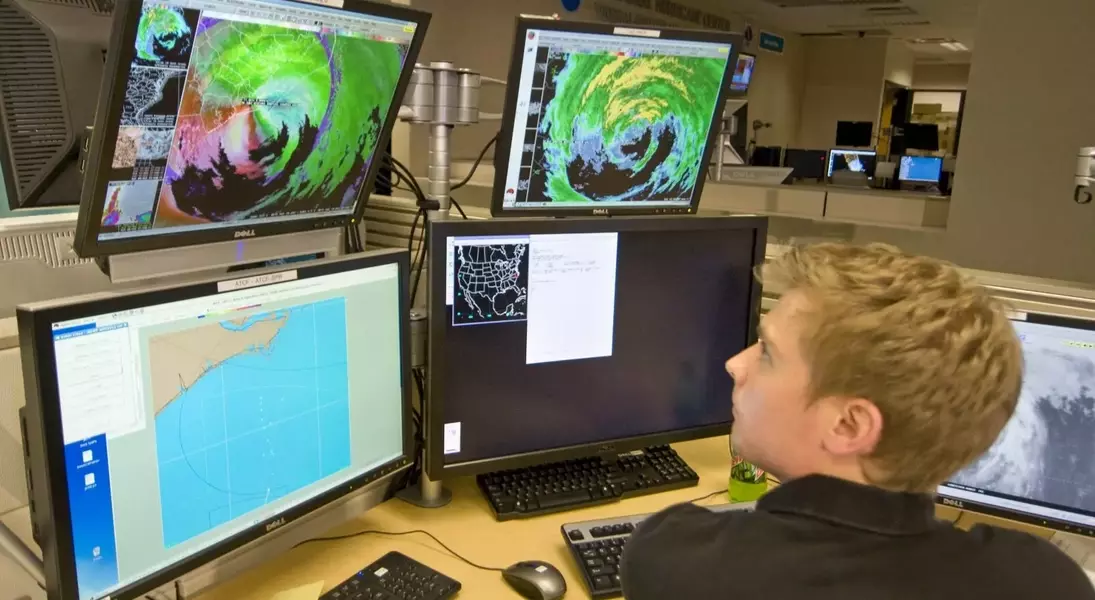
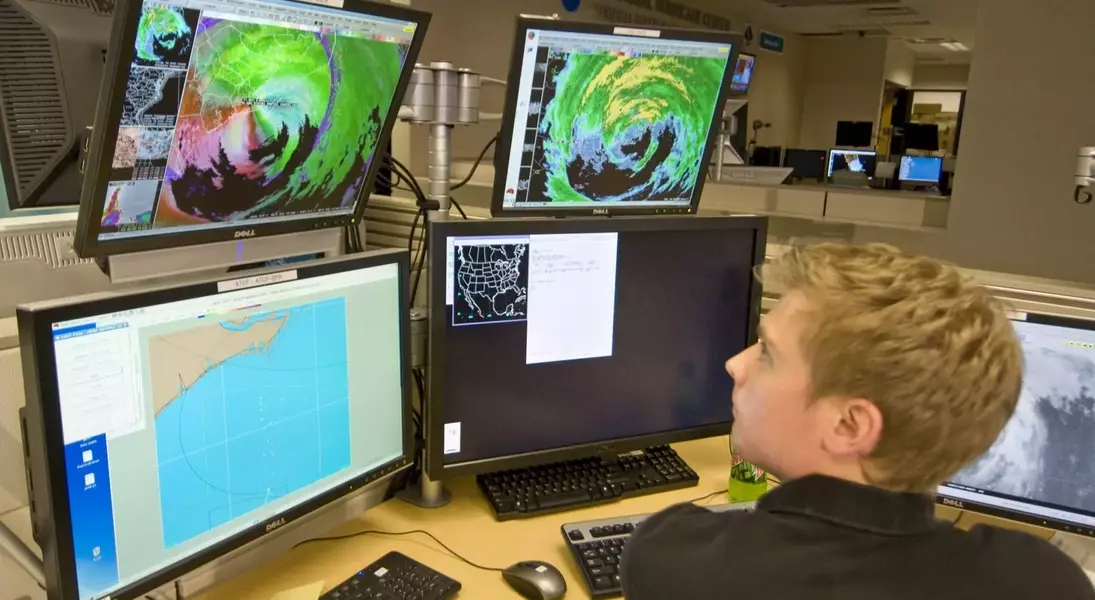
A recent incident in Washington, D.C., where a dire weather forecast failed to materialize, underscores crucial lessons in public communication, expert accountability, and the inherent uncertainties of predictive science. The event saw meteorologists issue severe warnings, prompting widespread preparations and disruptions, only for the anticipated storm to largely bypass the region. This episode became a notable case study, particularly due to a meteorologist's candid admission of error and subsequent public apology. Such an act of transparency stands in stark contrast to the often-unquestioned confidence displayed by many public commentators and analysts, offering valuable insights into fostering trust and intellectual honesty within public discourse.
The meteorologist's willingness to acknowledge a significant forecasting misstep and provide a detailed explanation for the discrepancy is commendable. This act not only humanizes the scientific process, demonstrating that even expert predictions are subject to error and refinement, but also highlights the importance of humility in fields that profoundly impact public life. The episode serves as a powerful reminder that while preparation for potential dangers is always prudent, the dynamic nature of phenomena like weather necessitates a flexible approach to predictions and a robust framework for admitting and learning from mistakes. It champions a culture where experts are not only lauded for their successes but also respected for their integrity in acknowledging their fallibilities, thereby strengthening the public's confidence in scientific authority.
The Anatomy of a Missed Forecast
Last weekend, Washington, D.C., found itself in a state of high alert due to a severe weather forecast. Residents prepared for an onslaught of rain, hail, tornadoes, and hurricane-force winds, leading to school closures, flight cancellations, and emergency declarations. The public was advised to take extensive precautions, from charging phones to hoarding supplies, based on these dire predictions. However, the anticipated storm largely failed to materialize, leaving many to wonder about the efficacy of such forecasts. The mild weather that eventually arrived was a stark contrast to the expected catastrophe, causing both relief and widespread questioning of the meteorological advisories that had prompted so much disruption.
The widespread panic and extensive preparations in the D.C. area stemmed from a consensus among meteorologists regarding an impending severe weather event. Forecasts predicted extreme conditions, including tornadoes and hurricane-force winds, which spurred official warnings and public advisories for safety measures. Yet, the actual weather experienced was considerably milder than predicted, culminating in a “nothing-burger” event, as one meteorologist described it. This significant deviation between prediction and reality led to public confusion and inconvenience, with schools, airlines, and individuals altering their plans unnecessarily. The incident brought to light the challenges in accurately forecasting complex weather patterns and the ripple effects of such predictions on daily life and public resources.
Embracing Accountability in Public Discourse
Following the inaccurate forecast, local meteorologist Matthew Cappucci openly acknowledged the significant error, describing it as a "horrible forecast" and offering a public apology. He attributed the misjudgment to the unexpected movement of storms through the Carolinas, which consumed the "storm fuel"—warmer air—that was expected to collide with a cold front over D.C. This candid explanation and apology garnered praise, particularly in a public sphere where admissions of error from experts and public figures are often rare. His actions highlighted a crucial aspect of professional integrity: the willingness to take responsibility for one's predictions and explain the underlying reasons for any discrepancies, fostering greater trust and transparency.
Matthew Cappucci's public apology for the erroneous weather forecast was a noteworthy act of intellectual honesty, especially within the Washington D.C. context. He explained that a change in the storm's path through the Carolinas unexpectedly depleted the atmospheric conditions necessary for the severe weather anticipated in D.C., a critical detail that shifted the entire outcome. By not only admitting the mistake but also detailing the scientific rationale behind it, Cappucci demonstrated a valuable lesson in accountability. This approach encourages a more transparent and trustworthy interaction between experts and the public, contrasting sharply with the tendency of some public commentators to avoid acknowledging their misjudgments. His humility and clarity in explaining the forecasting challenge underscore the importance of self-correction and openness in professional fields that impact public welfare.
