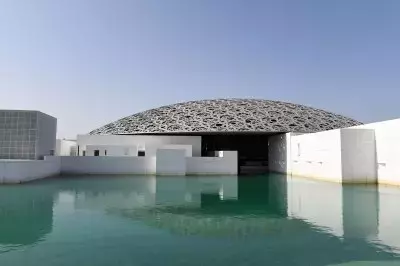
Abu Dhabi's cultural panorama is experiencing a profound metamorphosis, evolving from a strategy primarily centered on grand institutional developments, such as prominent museums on Saadiyat Island, to a more vibrant and commercially oriented art marketplace. This significant transition is marked by the impending integration of Abu Dhabi Art into the Frieze network and the introduction of programs like the Emerge section, specifically designed to cultivate a new generation of art patrons and showcase a diverse array of artists from the Global South. This strategic reorientation is not only drawing the attention of international galleries but also nurturing a burgeoning local art scene, fundamentally altering the city's historical image as a somewhat stagnant cultural entity into a thriving hub of artistic innovation.
The Shifting Dynamics of Abu Dhabi's Art Market
Abu Dhabi's art scene is undergoing a significant transformation, moving beyond its traditional focus on large-scale museum projects to embrace a more dynamic, market-driven approach. This evolution is spearheaded by initiatives designed to foster new collector bases and highlight diverse artistic voices. The upcoming integration of Abu Dhabi Art into the Frieze network, a global art fair powerhouse, signals a clear shift towards enhancing the emirate's standing in the international art market. This strategic move aims to diversify its artistic offerings and strengthen its appeal to a broader audience, both regionally and globally.
The emirate’s art landscape, traditionally dominated by monumental state-funded institutions, is now actively cultivating a more inclusive and commercially viable environment. Programs such as the Emerge section are pivotal in this shift, offering preferential booth prices for galleries showcasing works under $3,000, thereby making art more accessible and encouraging emerging collectors. This focus on affordability and nurturing local talent is crucial for building a sustainable art ecosystem. By broadening its appeal and actively engaging with both established and nascent collectors, Abu Dhabi is poised to solidify its position as a significant player in the global art economy, moving beyond its past perceptions to become a vibrant center for artistic exchange and commerce.
Cultivating New Artistic Voices and Economic Micro-climates
In a strategic pivot, Abu Dhabi is intensifying its efforts to spotlight artists from the Global South and establish robust “micro-economies” that can sustain its burgeoning art scene. This initiative aims to address the previous market gaps between seasoned art collectors and emerging enthusiasts, fostering an environment where a wider array of artistic expressions can thrive. The establishment of specialized sectors, such as those dedicated to art from Nigeria, Turkey, and South Asia, underscores a commitment to global diversity and regional representation. This intentional recalibration of its exhibitor mix is designed to enrich the cultural dialogue and broaden the artistic perspectives available within the emirate.
The emphasis on building sustainable art market infrastructure is evident through various community-centric initiatives. Events like the Galleries Week at Warehouse421, which featured affordable artworks in an engaging and accessible format, illustrate Abu Dhabi's dedication to making art a more integral part of daily life. These efforts, combined with the launch of new creative incubators in repurposed urban spaces like MiZa, are fostering a fertile ground for experimental art spaces and local gallerists championing early- and mid-career artists. These developments are not just about boosting sales; they are about fostering a vibrant, self-sustaining cultural metabolism that supports artists, attracts collectors, and integrates art into the fabric of the community, ensuring the long-term relevance and dynamic growth of Abu Dhabi’s art scene.
