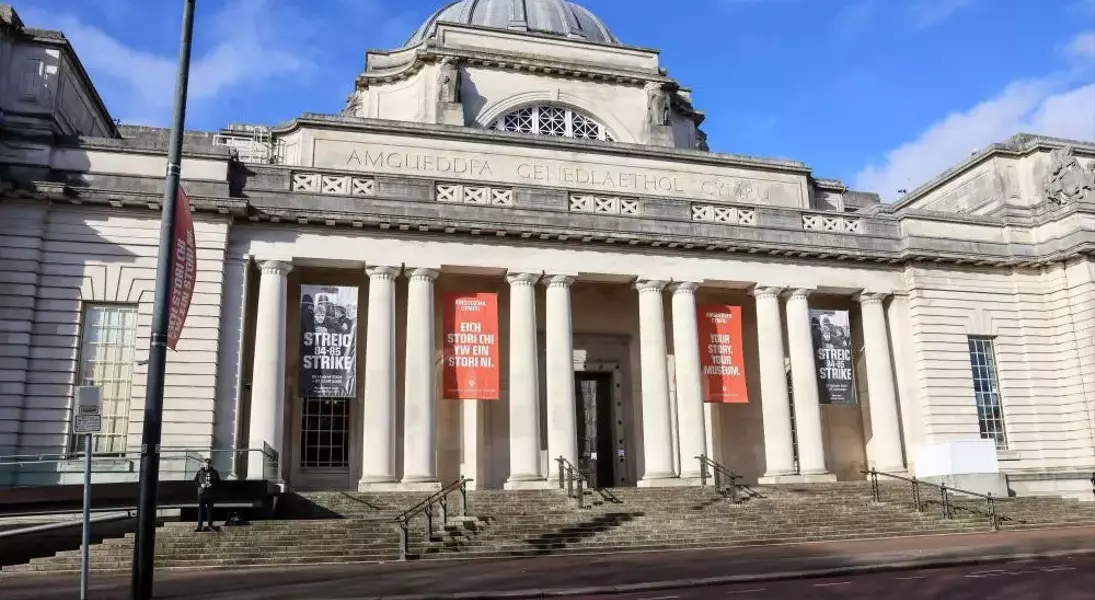
In an audacious act of artistic commentary, conceptual artist Elias Marrow secretly placed his AI-generated artwork, "Empty Plate," within the hallowed halls of the National Museum Cardiff. This bold move, which Marrow described as "participation without permission" rather than mere vandalism, ignited a swift response from museum authorities who promptly removed the piece. Yet, its brief presence sparked a wider conversation about the gatekeeping role of art institutions, the burgeoning influence of artificial intelligence in creative endeavors, and the very definition of artistic legitimacy in an ever-changing world.
This incident is not isolated; it resonates with a long tradition of guerrilla art tactics designed to provoke dialogue and challenge established norms. Marrow's choice to utilize AI, a technology often viewed with skepticism in traditional art circles, further amplifies his critique, suggesting that the tools of creation are expanding beyond conventional boundaries and forcing a reevaluation of artistic provenance and value within public spaces.
Artist's Unsanctioned Display Sparks Debate
Conceptual artist Elias Marrow executed an unauthorized installation of his AI-generated artwork, "Empty Plate," at the National Museum Cardiff. The piece, featuring a schoolboy holding a blank plate, was intended as a commentary on contemporary Welsh society and historical propaganda. Marrow framed this act as a form of "participation without permission," aiming to question the authority of public institutions in determining artistic value and what constitutes a legitimate display within their walls. The artwork remained on view for several hours before museum staff became aware of its presence and subsequently removed it, prompting discussions about institutional control over art, the role of emerging technologies like AI in artistic expression, and the boundaries of artistic intervention in public cultural spaces.
Elias Marrow's covert placement of "Empty Plate" at the National Museum Cardiff represented a deliberate challenge to traditional curatorial practices. The artwork itself, a digital print depicting a schoolboy, served as a symbolic representation of "the state of Wales in 2025," drawing parallels to Victorian charity propaganda. By employing AI to generate the image, Marrow aimed to demonstrate the evolving nature of artistic tools and to provoke a conversation about the integration of technology into the art world. His action, though brief, underscored a growing tension between established art institutions and artists who seek to democratize access and influence. The museum's response—swift removal—highlighted the existing protocols for exhibition, yet Marrow's act successfully raised pertinent questions regarding authenticity, ownership, and the evolving dialogue between artists, institutions, and the public. This episode serves as a powerful reminder of the ongoing push and pull between artistic freedom and institutional regulation in the dynamic realm of contemporary art.
The Intersection of AI, Art, and Institutional Challenges
The unauthorized installation of Elias Marrow's AI-generated artwork, "Empty Plate," at the National Museum Cardiff has brought to the forefront critical questions regarding the acceptance and integration of artificial intelligence within the art community and its established institutions. Marrow's declaration that AI is a "natural evolution of artistic tools" signals a broader shift in how art is conceived and produced, challenging traditional notions of authorship and creativity. This incident compels museums and galleries to confront the implications of AI on their collections, exhibition policies, and their role in validating new forms of artistic expression. It highlights the need for a reevaluation of how these institutions adapt to technological advancements while maintaining their foundational principles of curation and public engagement, potentially leading to more inclusive and forward-thinking approaches to showcasing art.
Marrow's decision to use an AI-generated image for his unsolicited museum display was a deliberate statement on the increasing relevance and capabilities of artificial intelligence in creative fields. By presenting "Empty Plate"—an artwork envisioned by human conceptualization but realized through AI—Marrow intended to dismantle preconceptions about what constitutes 'art' and who has the authority to define it. The ensuing removal of the piece by the National Museum Cardiff, while adhering to standard operational procedures for unapproved exhibits, inadvertently amplified Marrow's message. It underscored the ongoing friction between the avant-garde, often boundary-pushing nature of contemporary art, and the more conservative, regulatory frameworks of traditional art institutions. This event has thus opened up a vital discourse on the future of art in an AI-driven world, urging both artists and institutions to explore how artificial intelligence can be embraced as a legitimate and transformative medium, fostering innovation while navigating the complex challenges of its integration into established cultural spaces.