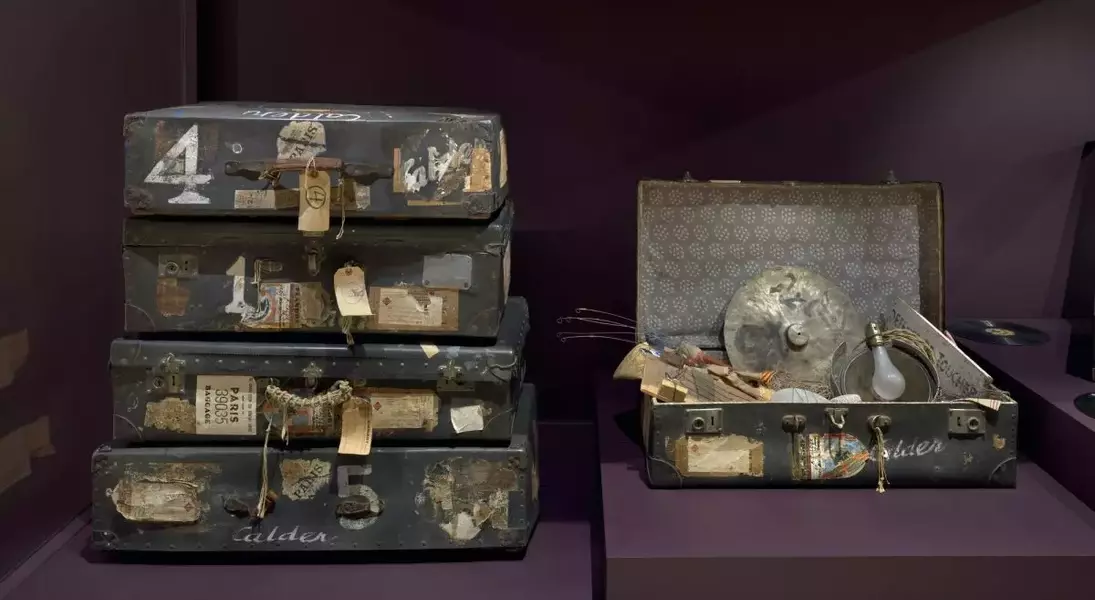
The Whitney Museum of American Art is hosting a special exhibition, "High Wire: Calder's Circus at 100," celebrating a century of Alexander Calder's whimsical and intricate artistic creation, "Calder's Circus." This review delves into the captivating world of this miniature spectacle, originally crafted by Calder between 1926 and 1931, showcasing its enduring appeal and historical significance.
Step into the Marvelous Micro-World of Calder's Circus!
A Childhood Enchantment Rekindled: Discovering Calder's Grand Vision
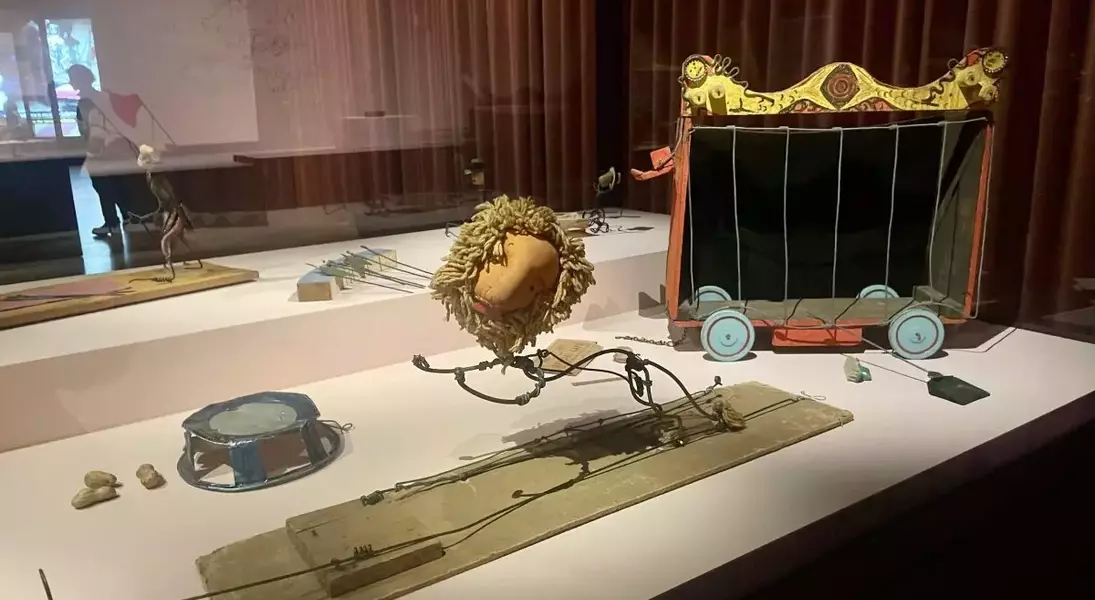
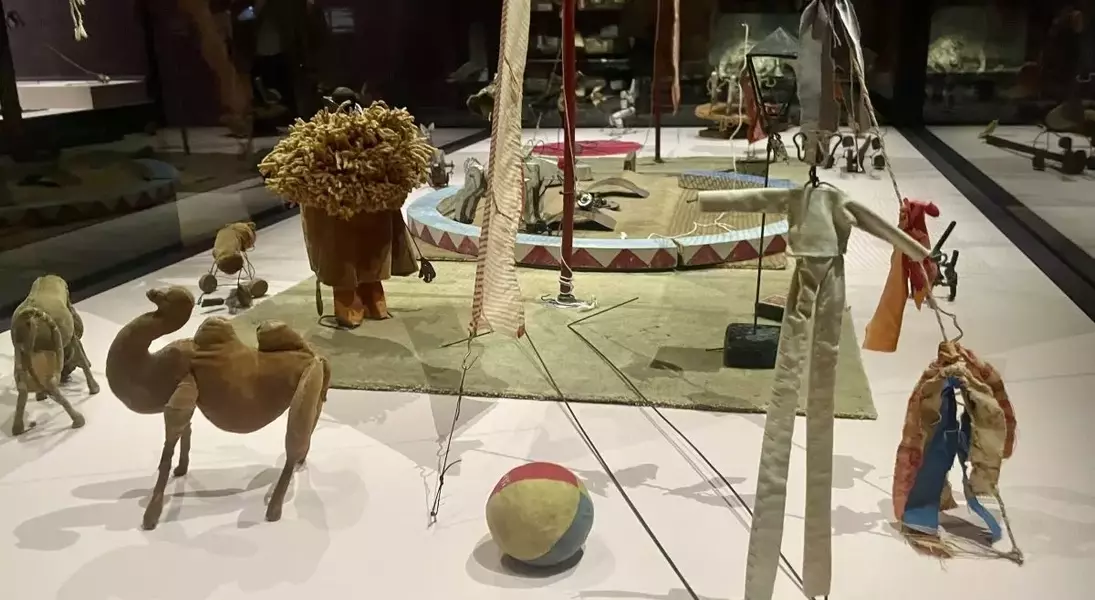
Growing up, a striking image of a whimsical lion from "Calder's Circus" adorned my aunt's home, capturing my imagination with its yarn mane and delicate wire frame. This cherished memory paved the way for my first in-person encounter with the full "Calder's Circus" at the Whitney Museum's centennial exhibition, "High Wire." The display reveals a vast collection of kinetic figures and props, meticulously crafted from simple materials like wire, cork, wood, and fabric. Beyond the captivating lion, the circus teems with an array of characters, from the ringmaster to acrobats, exotic animals, and more, all brought to life through Calder's inventive artistry.
The Genesis of a Masterpiece: Calder's Parisian Inspiration and Artistic Journey
Calder's inspiration for his extraordinary circus stemmed from a 1925 visit to a Ringling Bros. and Barnum & Bailey Circus performance in Madison Square Garden, an event he was documenting for the National Police Gazette. His subsequent two-week immersion with the performers at the Ringling Bros. training grounds in Florida fueled his creative drive. Upon relocating to Paris the following year, Calder began meticulously fashioning his circus characters. These figures, characterized by their detailed costumes and expressive features, were often inspired by real circus personalities, such as Fred Bradna, the renowned ringmaster, and Clyde Beatty, the celebrated animal trainer. In Paris, Calder became an integral part of the avant-garde art scene, presenting his circus to notable artists like Marcel Duchamp and Piet Mondrian. His first exhibition took place in New York in 1928, and he continued to stage performances with his miniature troupe for many years.
Preserving the Magic: The Whitney's Dedicated Approach to Conservation and Display
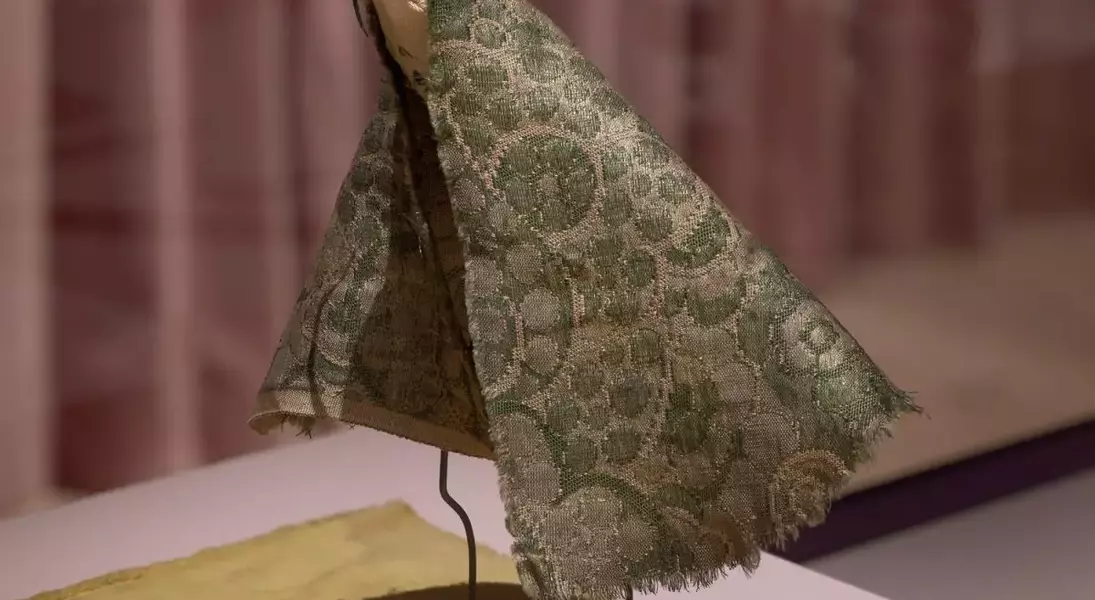
The Whitney Museum's exhibition presents "Calder's Circus" within a thoughtfully subdued setting, underscoring the delicate nature of these historical artifacts and the museum's commitment to their preservation. While the original pieces are static in their display cases, a historical film captures Calder himself manipulating the figures, offering a glimpse into their dynamic past. Curators have artfully arranged the sculptures into engaging vignettes, inviting viewers to conjure their own imaginative circus narratives. This approach, though not a live performance, fosters a sense of wonder and makes the viewing experience truly immersive. The Whitney's conservation team has also produced a video, accessible online, detailing the challenges and rewards of maintaining the vitality of these cherished works. This dedication to both scholarly preservation and playful engagement ensures that Calder's artistic legacy, and the universal appeal of his circus, continues to captivate audiences, whether experienced firsthand or through a simple image.
