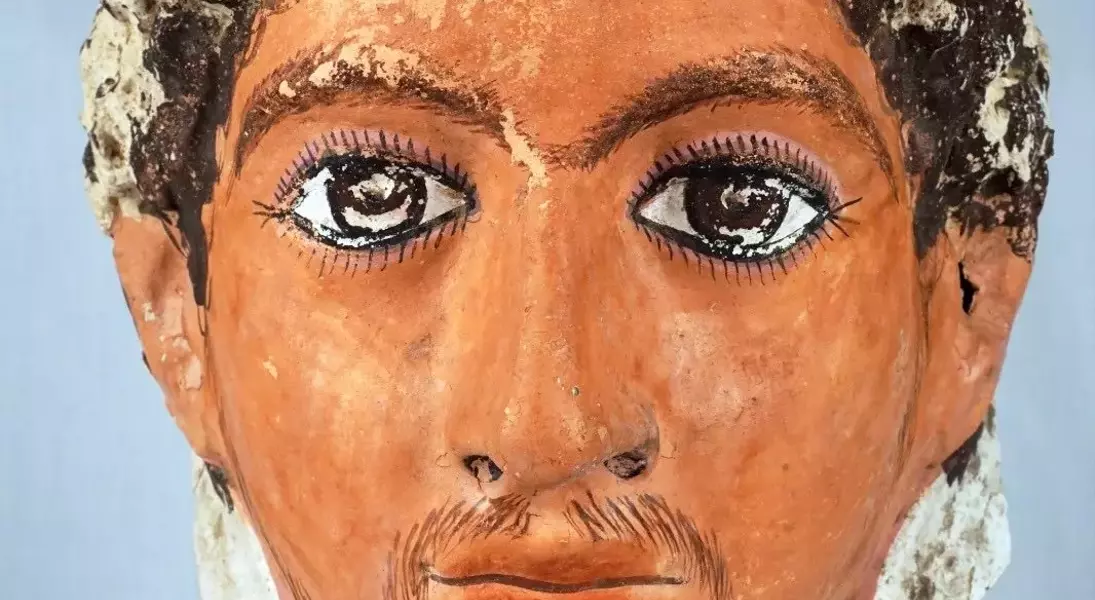
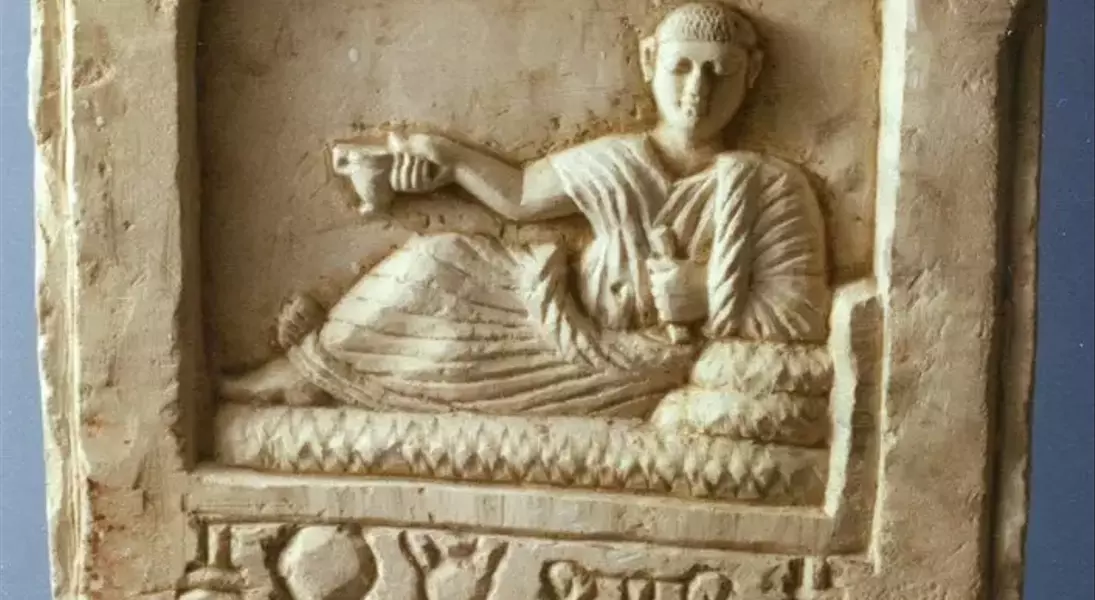
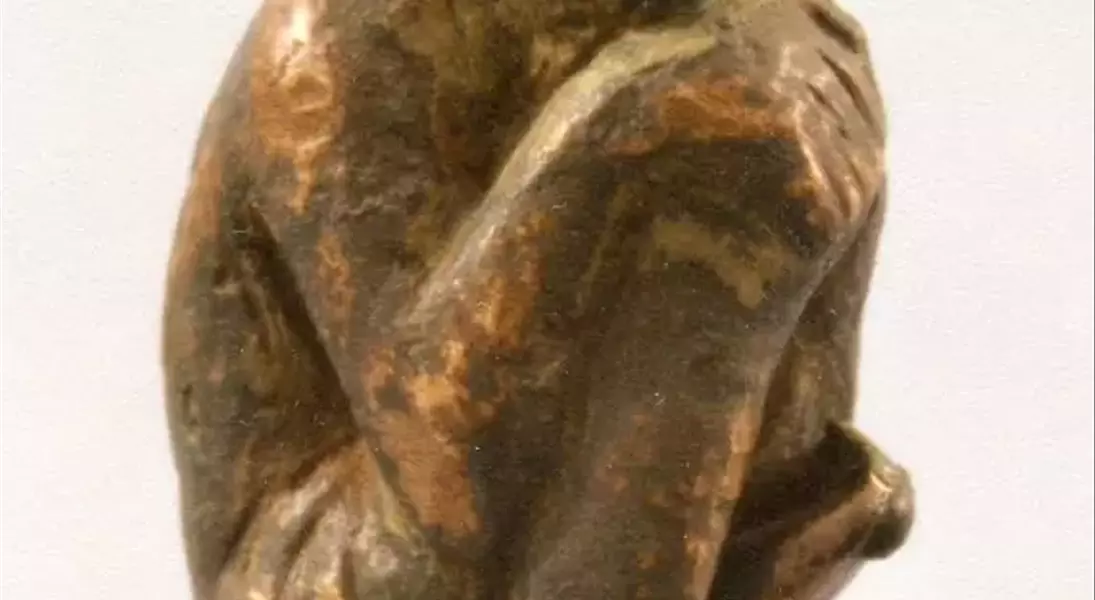
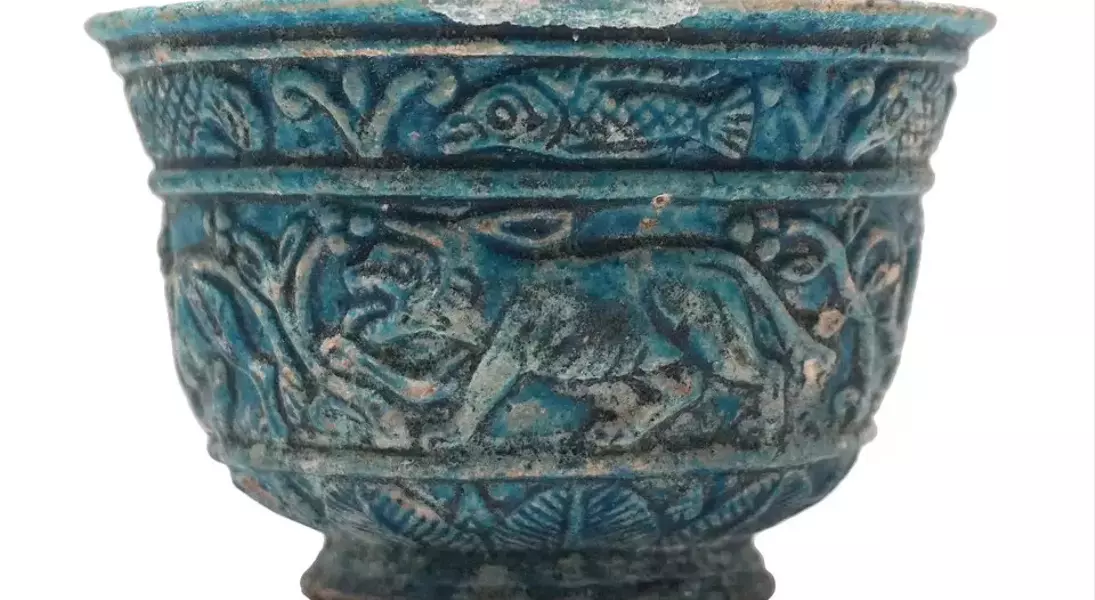
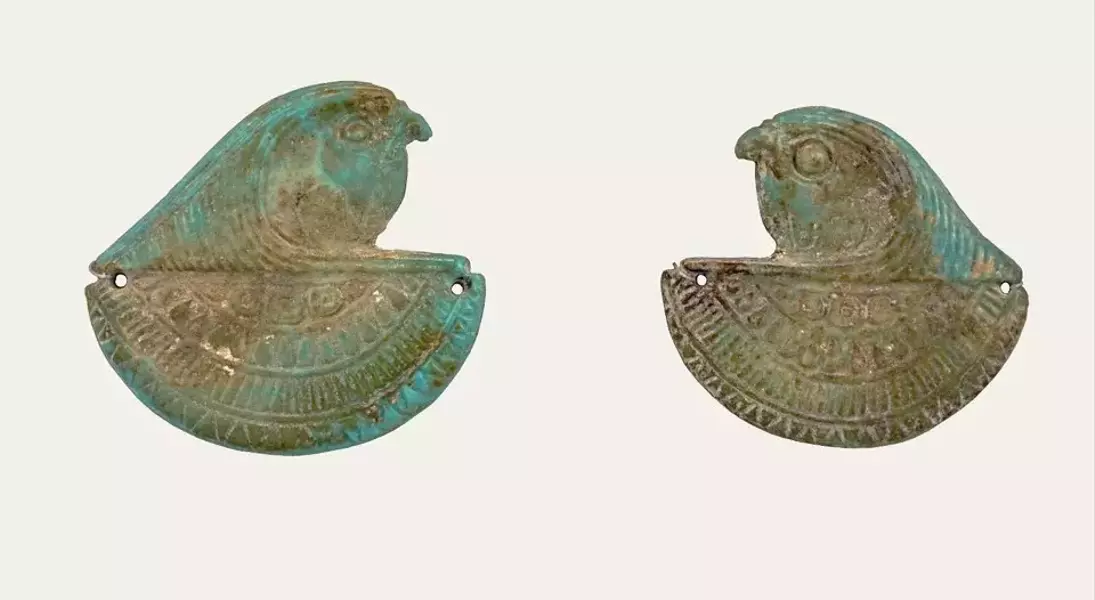
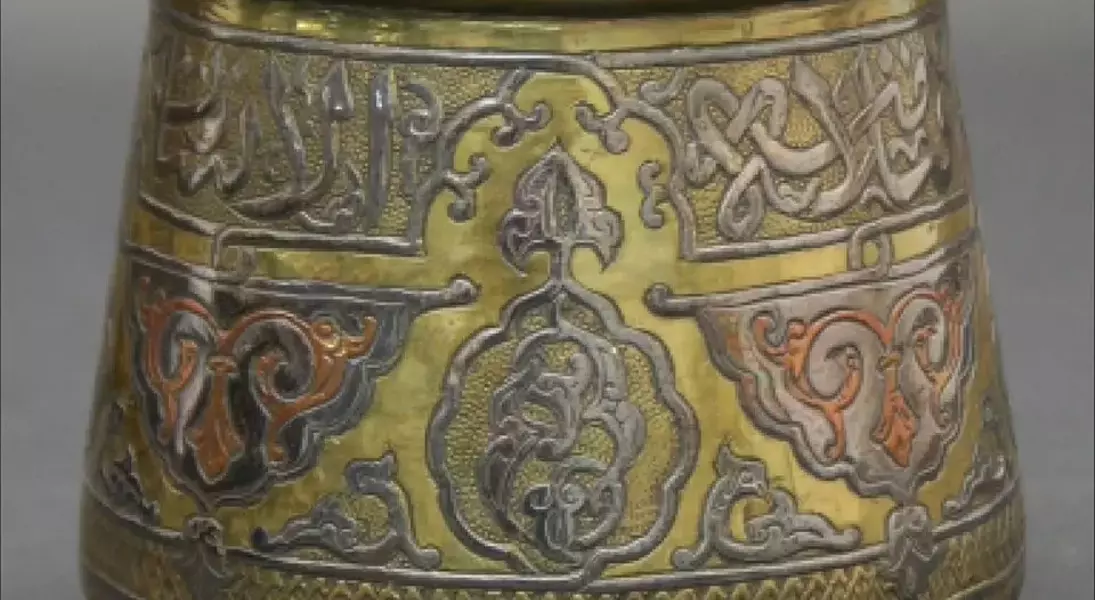
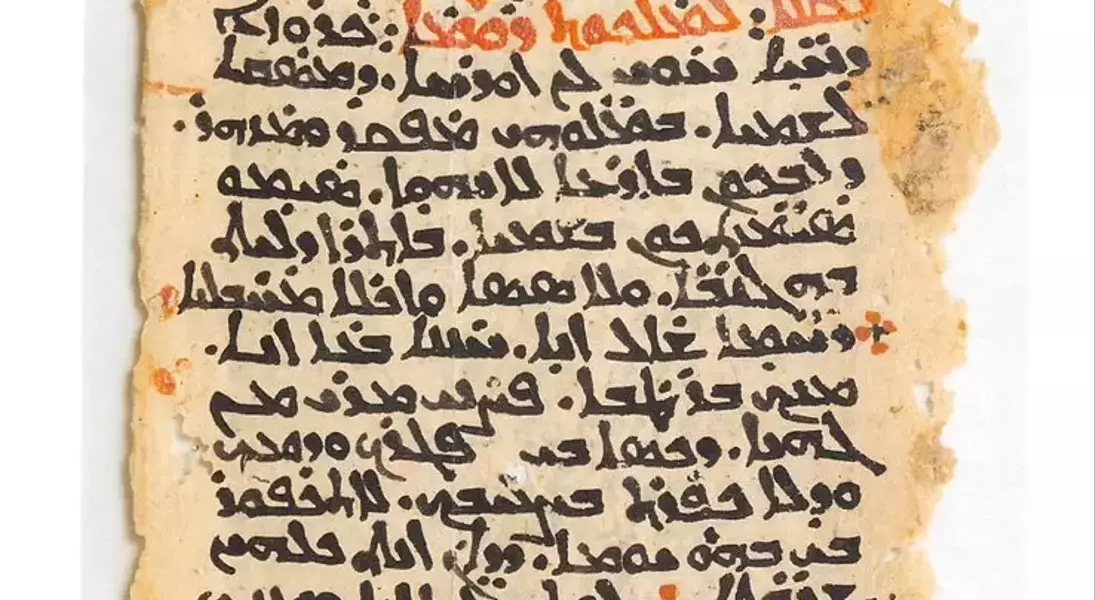
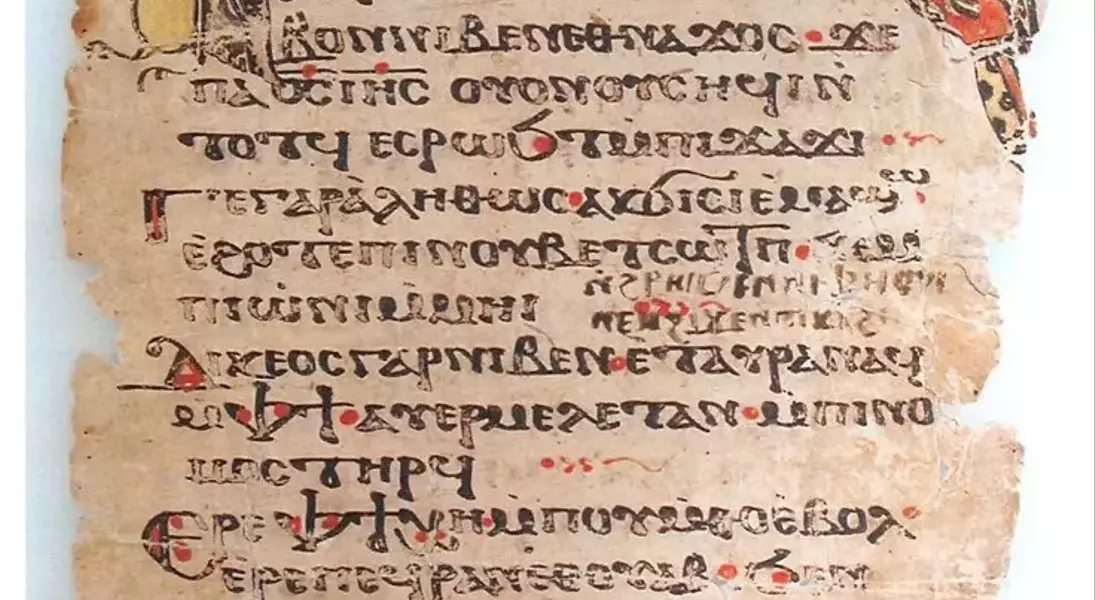
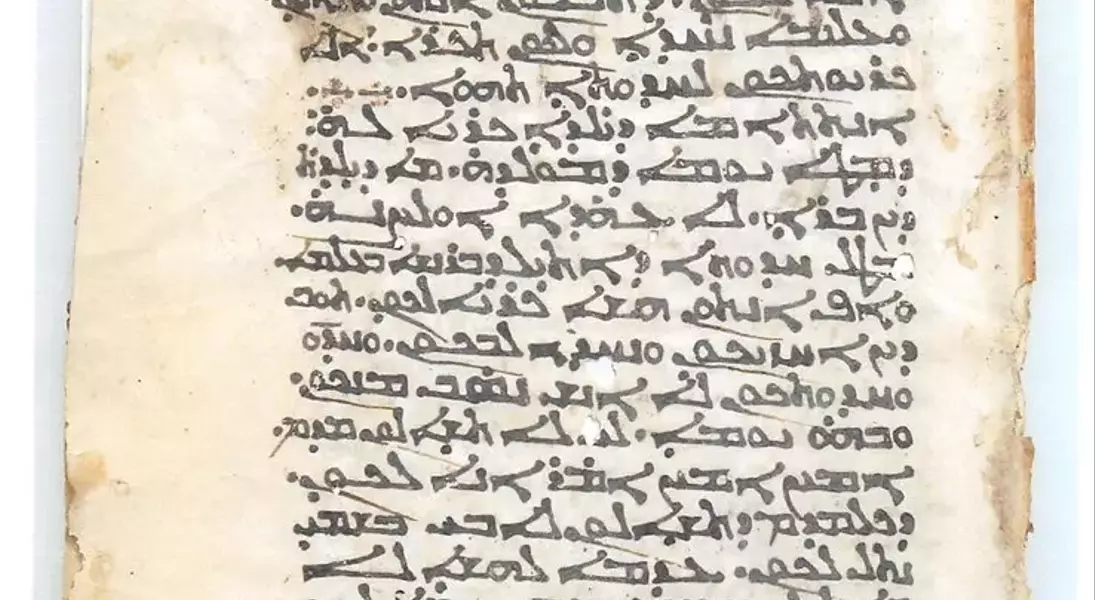
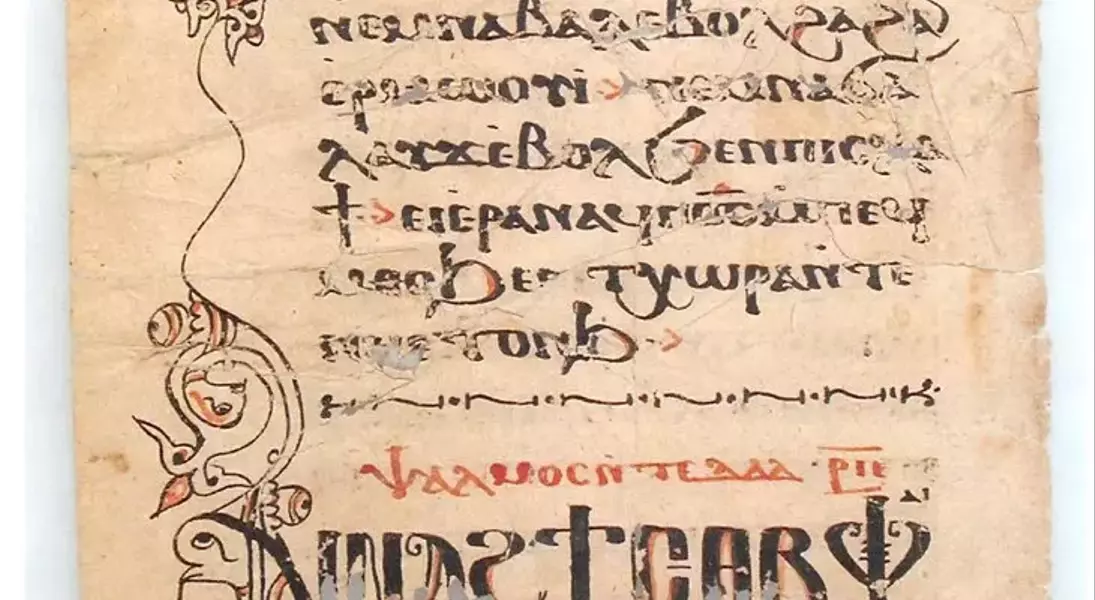

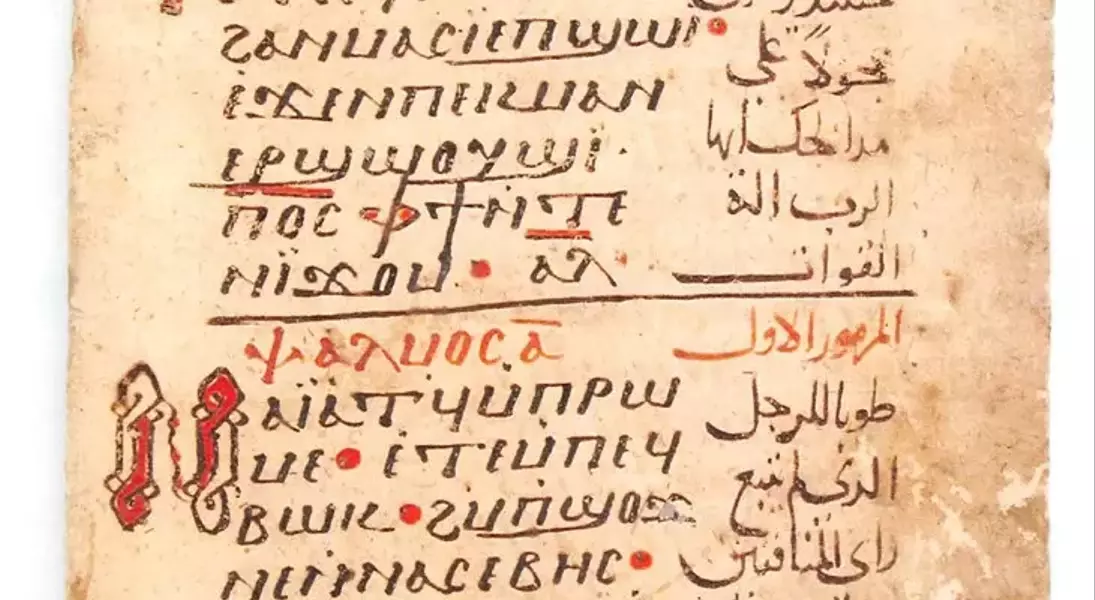
Egypt's Ministry of Tourism and Antiquities has successfully secured the return of 36 ancient artifacts that had been illegally removed from the country, marking a significant victory in the global fight against cultural heritage trafficking. These invaluable pieces, recovered through diligent work by U.S. authorities and collaborative efforts with Egyptian officials, represent a diverse range of historical periods and artistic styles. The announcement highlighted the nation's unwavering commitment to preserving its rich archaeological legacy and ensuring these treasures are housed within their rightful cultural context.
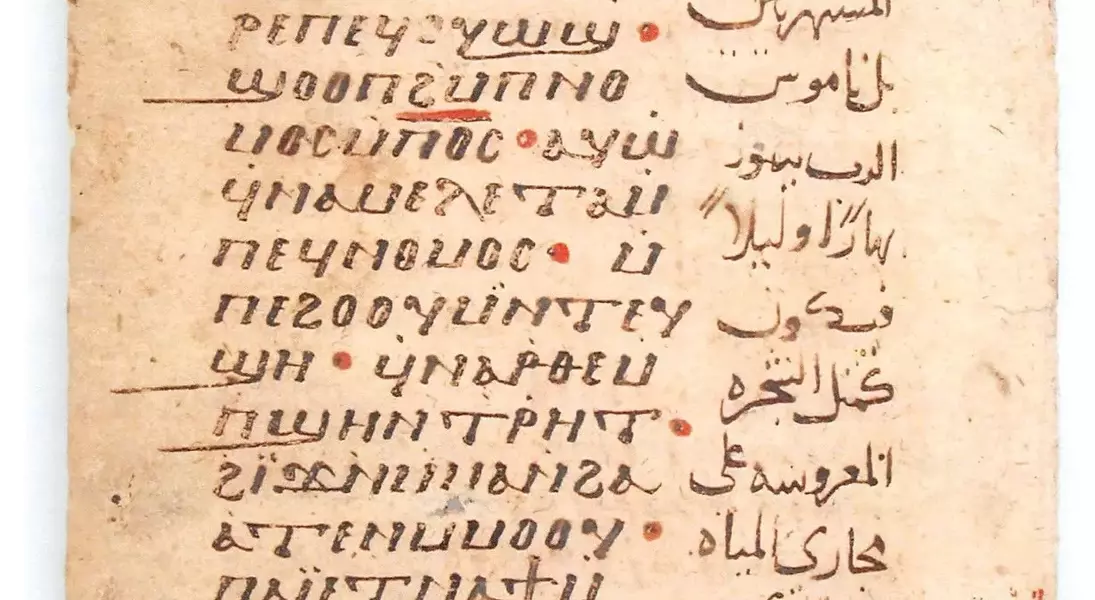
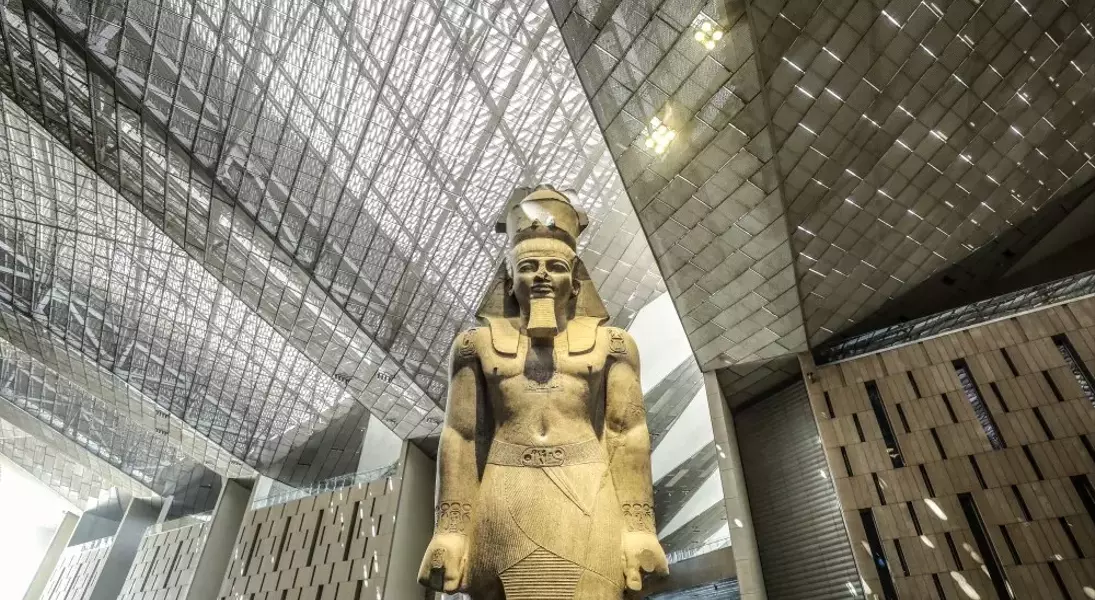
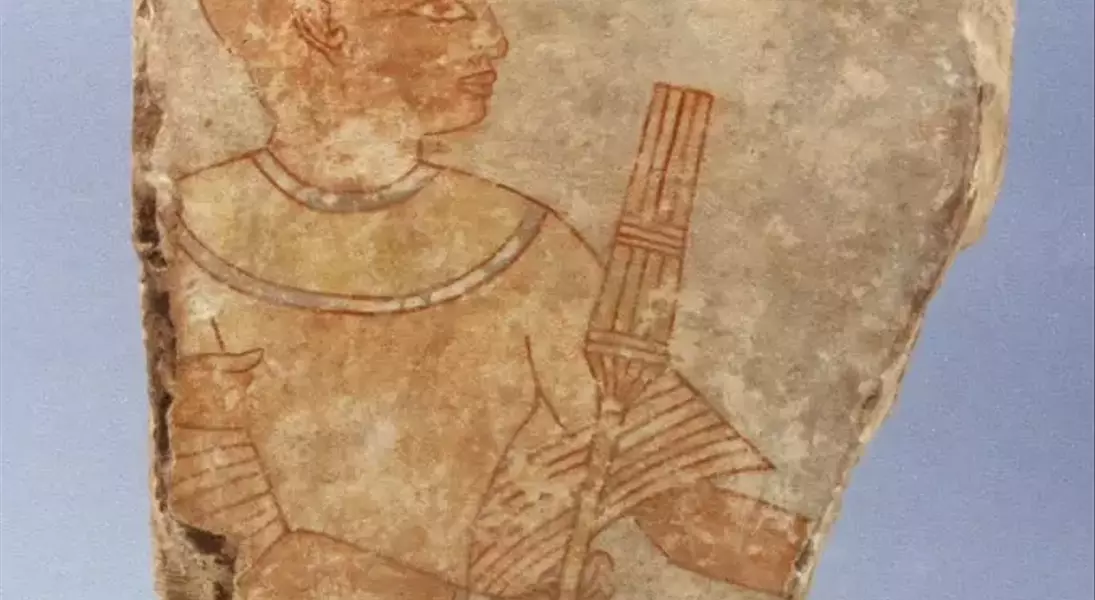
The recently repatriated collection encompasses items from various historical epochs, including a striking colored plasterboard from the 18th Dynasty (circa 1500 BCE) and 25 rare Coptic and Syrian manuscripts. These artifacts were returned in separate batches, with some facilitated by the Manhattan District Attorney's Antiquities Trafficking Unit, an organization recognized for its leading role in investigating such crimes, and others handed over by the Metropolitan Museum of Art. The ministry confirmed that these precious items would be integrated into an Egyptian museum, although the specific location—either the historic Cairo museum or the newly inaugurated Grand Egyptian Museum in Giza—remains to be officially announced.
This successful repatriation effort is part of a broader, intensified campaign by the Egyptian government to recover stolen artifacts. Nevine El-Aref, media adviser for the ministry, emphasized the paramount importance of every artifact, regardless of its size, in representing Egypt's heritage. The strategy involves actively monitoring online platforms for illicitly trafficked works and collaborating closely with international law enforcement agencies to ensure their return. This proactive approach aims to safeguard Egypt's millennia-old history, making it accessible and preserving it for future generations, thereby reinforcing the nation's cultural identity and educational mission.
The return of these artifacts serves as a powerful testament to the importance of international cooperation in combating illicit trafficking and preserving global cultural heritage. It underscores the moral imperative for institutions and governments worldwide to collaborate in rectifying historical injustices and ensuring that cultural treasures are returned to their countries of origin, where they can be properly studied, appreciated, and cherished by the communities from which they came. Such actions foster a deeper respect for shared human history and promote a collective understanding of our past.