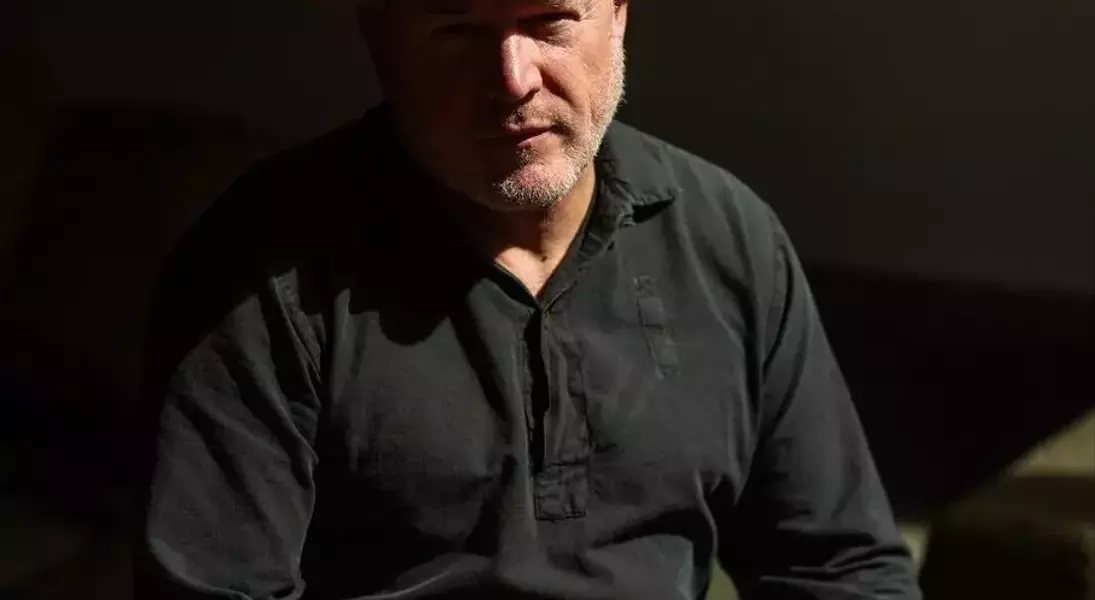
Sculptor Alma Allen has been officially designated as the artist to represent the United States at the forthcoming 61st Venice Biennale. This notable announcement, issued by the U.S. State Department, concludes a period of speculation that arose after the initial selection of Robert Lazzarini was withdrawn. Allen, whose artistic practice is characterized by the "alchemical transformation of matter," is set to unveil an collection of around 30 sculptures in an exhibition titled "Call Me the Breeze," under the curatorial guidance of Jeffrey Uslip. This year's selection process was particularly distinctive, as the National Endowment for the Arts did not participate, leaving the ultimate decision to the State Department. Allen's appointment is seen as a departure from previous choices, given his comparatively limited exhibition history.
Artist Alma Allen Tapped for Prestigious Venice Biennale Representation Amidst Unique Selection Circumstances
On November 24th, a significant announcement from the U.S. State Department confirmed that the sculptor Alma Allen, originally from Utah and now based in Mexico, will be the official representative for the United States at the 61st Venice Biennale. This eagerly anticipated declaration follows a period of uncertainty, as an earlier selection of artist Robert Lazzarini had been retracted, partly due to a 43-day government shutdown that impacted the announcement timeline.
Allen, known for his profound engagement with the material world through his sculptural works, will showcase approximately 30 pieces in his exhibition, "Call Me the Breeze." The curation of this pivotal presentation is in the capable hands of Jeffrey Uslip, a distinguished former chief curator of the Contemporary Art Museum St. Louis.
Intriguingly, Allen revealed in an interview with a prominent newspaper that he had not actively sought this prestigious opportunity. Instead, Uslip directly approached him in October to explore his involvement. Furthermore, Allen shared that his representing galleries, Mendes Wood DM and Olney Gleason, initially advised him against accepting the Venice Biennale commission and subsequently dissolved their professional relationship with him after his decision to proceed.
The American Arts Conservancy, a Florida-based nonprofit established only this year, is serving as Allen's commissioning institution. This marks a departure from the usual protocol, where established museums typically collaborate with artists and curators to develop proposals for the U.S. pavilion, which are then evaluated by the National Endowment for the Arts (NEA). This year, citing staffing and scheduling challenges, the NEA did not participate in the selection process, empowering the State Department to make the final choice.
In its official communication, the State Department highlighted that Allen's works are expected to underscore his unique approach to transforming materials and delve into the concept of "elevation." The statement also framed this selection as an integral part of the Trump administration's broader initiative to spotlight "American excellence."
Allen's selection for such a globally recognized art event is considered an unconventional one. With a relatively modest exhibition history, the 55-year-old artist has held only two solo museum shows to date: at Mexico's Museo Anahuacalli in 2023 and Belgium's Van Buuren Museum & Gardens in 2021. This contrasts with previous U.S. representatives, who often include more established figures in the art world, such as Ed Ruscha, Jenny Holzer, Robert Rauschenberg, Simone Leigh, and Jeffrey Gibson.
The decision to appoint Alma Allen as the U.S. representative for the Venice Biennale offers a compelling look into the evolving dynamics of artistic selection and national representation on the global stage. It suggests a willingness to embrace artists who may not fit the traditional mold of established figures, potentially signaling a more diverse and unexpected approach to showcasing American art. However, it also raises questions about the transparency and consistency of such high-profile selections when established institutions like the NEA are bypassed. This event challenges the conventional narratives of artistic success and institutional collaboration, prompting a re-evaluation of what constitutes a fitting representative for a nation's artistic identity.