
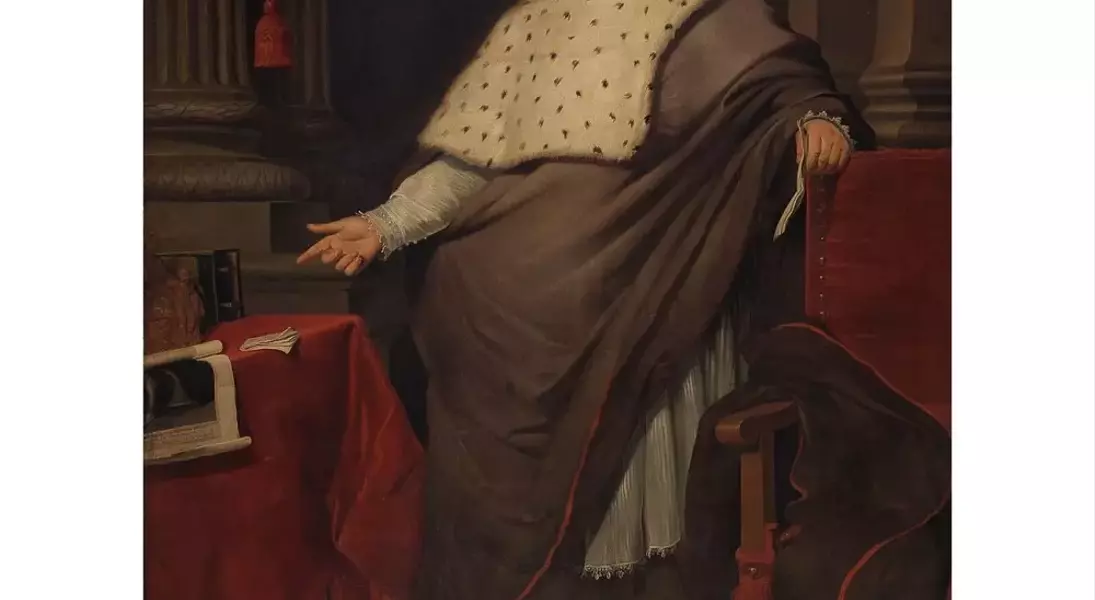
The Museum of Fine Arts (MSK) in Ghent has chosen to keep a Nazi-looted artwork, "Portrait of Bishop Triest" by Gaspar de Craye, asserting that the family of the original owner had already been compensated. This stance has ignited a debate, with Jewish organizations in Belgium advocating for further reparations and adherence to international guidelines for the return of art confiscated during the Nazi era.
An independent commission, formed a year prior by Ghent, investigated the painting's provenance. Their findings indicated that Samuel Hartveld, an Antwerp art dealer, was compelled to sell the work following the German occupation of Belgium in 1940. The artwork subsequently passed through several hands before being acquired by the city in 1948. A critical detail in the commission's conclusion was the discovery that Hartveld and his family had received financial recompense from Ghent for their losses, a fact that now underpins MSK's decision to retain the painting.
Despite the commission's recommendation against additional compensation for Hartveld's heirs, it urged for "moral redress" by formally acknowledging the "unacceptable act of spoliation" in all future publications and exhibitions related to the painting. However, Jewish groups maintain that international norms, such as the Washington Principles and the Terezin Declaration, mandate restitution when spoliation is confirmed, regardless of prior financial settlements. While these principles are widely observed, they are non-binding and call for "just and fair solutions," which can encompass financial settlements or other alternatives, not exclusively direct restitution. Notably, Hartveld's heirs had successfully secured the return of another Nazi-looted artwork, "Aeneas Fleeing Burning Troy with His Family," from Tate Britain in London, highlighting the varying outcomes in such cases.
This ongoing discussion underscores the complexities of art restitution in the aftermath of historical injustices. It calls for a balanced approach that respects both legal precedents and ethical considerations, ensuring that the legacy of looted art is addressed with sensitivity and a commitment to justice for all affected parties.
