Discovered off the coast of Mallorca, a remarkably intact Roman merchant vessel from the 4th century CE, known as the Ses Fontanelles shipwreck, is poised for a groundbreaking recovery. Its exceptional state of preservation offers an unprecedented window into late Roman imperial life, particularly the era's commerce and the burgeoning influence of Christianity across the Mediterranean.
Unearthing History: A Roman Vessel's Enduring Legacy Beneath Mallorca's Waves
A Glimpse into Ancient Maritime History: The Ses Fontanelles Discovery
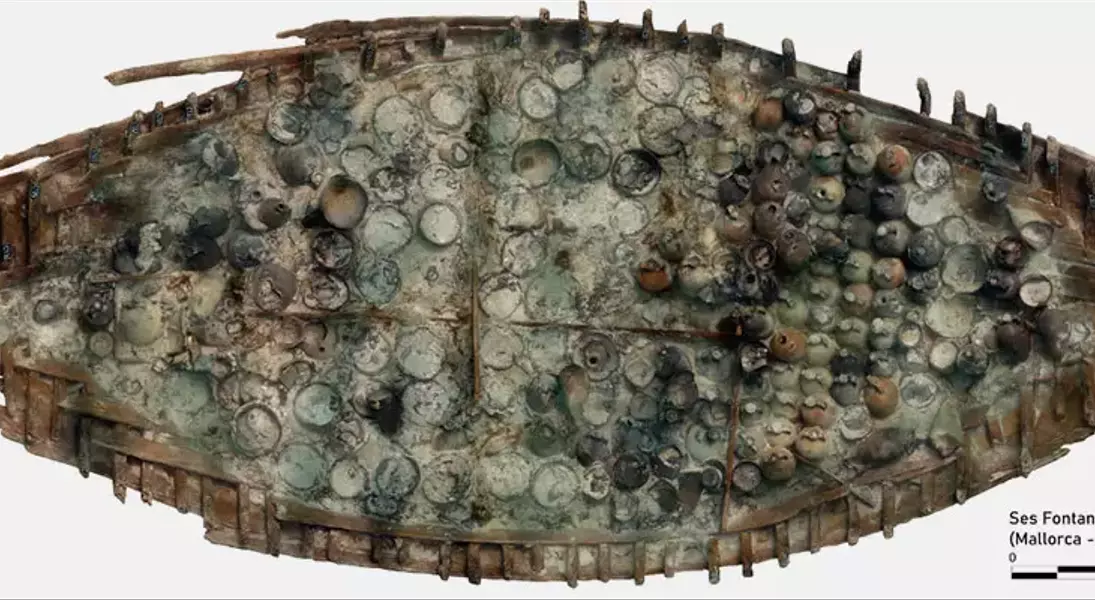
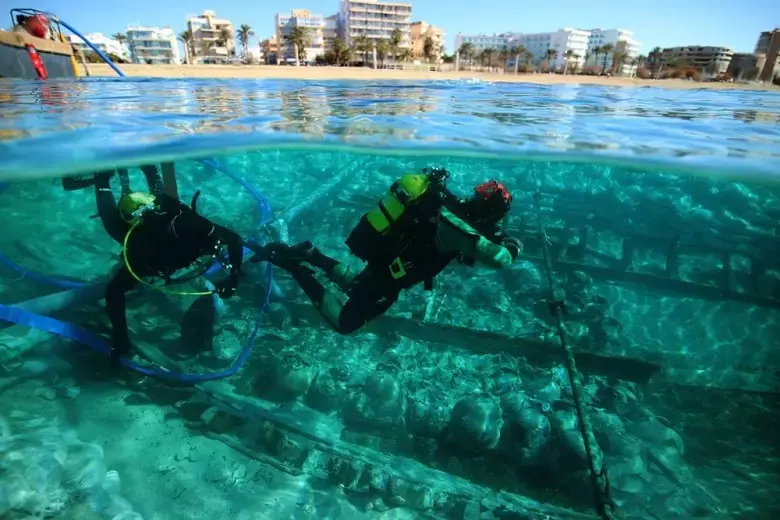
An incredibly well-preserved Roman merchant ship, dating back to the mid-4th century CE, lies merely two meters beneath the clear blue waters near the Iberian Peninsula, off the coast of Mallorca. This ancient vessel, named the Ses Fontanelles shipwreck, is slated for excavation and retrieval beginning in 2026. Its discovery offers unparalleled insights into a period when Christianity was solidifying its presence across the Mediterranean region.
Miraculous Preservation: How the Ship Survived for Millennia
The ship's hull settled so deeply within the seabed that a protective, oxygen-deprived layer enveloped it, preserving the wreck for over 1,700 years until a local swimmer stumbled upon it in 2019. This remarkable preservation has allowed researchers a detailed examination of the vessel and its contents.
Collaborative Endeavor: The Arqueomallornauta Project and Future Plans
The unearthing of this 12-meter-long ship led to the establishment of the Arqueomallornauta Project, backed by the Consell de Mallorca. A recent announcement from the council on October 23 confirmed that, following discussions at the International Maritime Archaeology Conference, a consortium of archaeologists and conservation experts has outlined a meticulous, multi-year plan for the Roman ship's extraction, commencing in 2026.
Treasures from the Deep: Amphorae and Roman Commerce
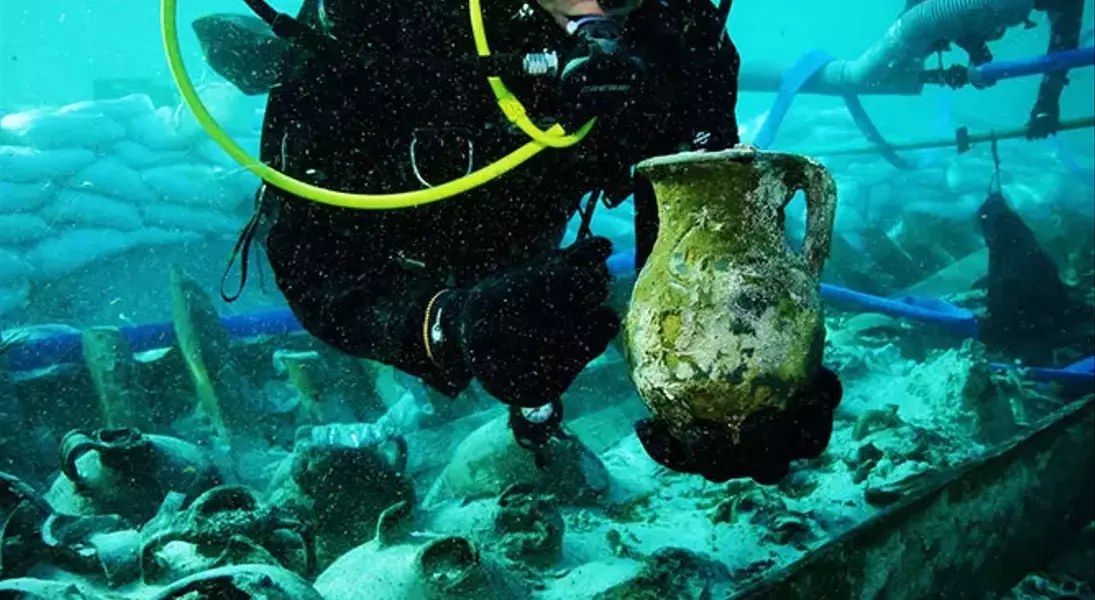
Within the ship's hold, more than 300 amphorae were discovered, filled with a variety of goods ranging from fish sauce (garum) to olive oil and wine. Archaeologists postulate that the ship originated from Carthago Spartaria (Cartagena), a significant port in Roman Spain. Many of these containers bear rare inscriptions, known as tituli picti, which enable historians to reconstruct ancient Roman trade networks. A recent study in the Journal of Cultural Heritage analyzed the black ink (atramentum) on 82 of these containers. These inscriptions often detail the amphora's maker, its contents, and even taxes paid, providing invaluable data on the producers and shippers of commercial products in the late Roman Mediterranean.
Cultural Crossroads: Christianity, Traditional Beliefs, and Daily Life
The increasing prevalence of Christianity in the Mediterranean during the 4th century CE is evident through the proliferation of churches and ecclesiastical structures on the mainland. Intriguingly, early Christian symbols found on the ceramic seals of many Ses Fontanelles vessels reflect the religious affiliations of Roman merchants and manufacturers during the post-Constantine era. However, traditional Roman religious practices were not entirely abandoned. According to Historia, National Geographic's Spanish edition, alongside numerous amphorae with painted inscriptions and early Christian seals, the shipwreck also yielded an oil lamp adorned with the image of the goddess Diana, two shoes (one leather, one esparto grass), ropes, plant remnants, a coin from 320 CE, and a bow drill for ship repairs.
Beyond Extraction: Standardizing Preservation and Expanding Knowledge
The impending extraction of the Roman vessel next year signifies more than just the recovery of the Ses Fontanelles shipwreck itself. This careful removal process aims to establish standardized methods for raising ancient wrecks from the anoxic sands that have preserved countless ships. This discovery has also deeply integrated Mallorca into the realm of Mediterranean underwater archaeology. Researchers involved with the Ses Fontanelles project have significantly contributed to broader efforts to document and preserve the numerous ancient maritime wrecks across the Mediterranean. Consequently, ancient trade routes and even Roman fish sauce can now re-emerge from the depths of time, although whether one would wish to sample this ancient garum today remains a subject of humorous speculation.
