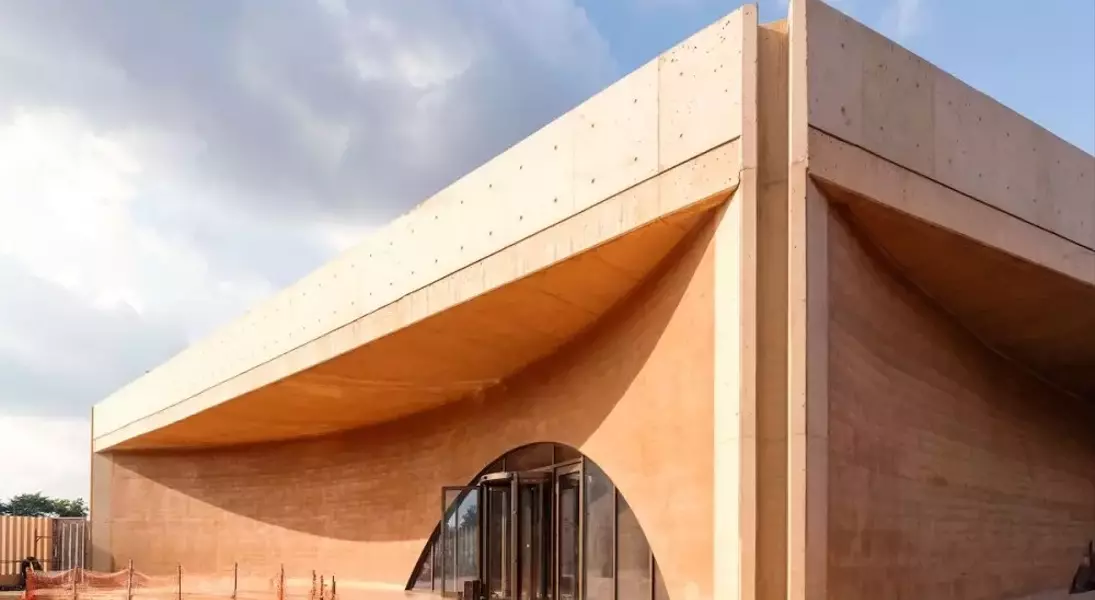
The Museum of West African Art (MOWAA) in Benin City, Nigeria, a project that has been years in the making, recently saw its highly anticipated preview events and public inauguration disrupted by unexpected public demonstrations. This unforeseen turn of events forced the cancellation of all scheduled activities and delayed the museum's grand opening, highlighting underlying tensions surrounding its establishment and purpose.
The disturbances at the Museum of West African Art (MOWAA) reveal a complex interplay of local grievances and institutional challenges. Initially conceived as a repository for repatriated Benin Bronzes, the museum's mission shifted following a presidential decree granting ownership of these artifacts to the Oba of Benin. This change, coupled with unresolved disputes between former and current state administrations, fueled public discontent and led to the dramatic interruption of MOWAA's inaugural events.
Disrupted Inauguration and Underlying Tensions
The Museum of West African Art (MOWAA) in Benin City, Nigeria, experienced significant disruptions to its preview events and public opening due to protests. This abrupt halt to the long-anticipated inauguration underscores a complex web of local disagreements and misunderstandings regarding the museum's role and management. Despite extensive development, the institution found itself at the center of public unrest, leading to the swift evacuation of attendees and a reevaluation of its public launch strategy. The incident highlights the intricate challenges involved in cultural heritage projects, especially when local communities feel their interests are not adequately represented or respected.
The protests at MOWAA, which occurred just hours before the initial preview, were driven by various factors, including disputes between past and present state administrations and local residents' concerns over the perceived hijacking of a community initiative. Although MOWAA asserted its independent, non-profit status, these assurances failed to quell the unrest. The museum's original intent to house repatriated Benin Bronzes was complicated when ownership of these historical artifacts was granted to the Oba of Benin, leading MOWAA to pivot towards contemporary art, archaeological research, and conservation. This shift, combined with a lack of clear public communication leading up to the events, exacerbated existing frustrations among local stakeholders, ultimately culminating in the dramatic interruption of its opening ceremonies. The incident serves as a stark reminder of the delicate balance required in managing cultural institutions within diverse community contexts.
MOWAA's Evolving Mission Amidst Controversy
MOWAA's journey has been marked by a significant shift in its core mission, moving from primarily housing repatriated Benin Bronzes to focusing on contemporary art, archaeology, and conservation. This evolution was necessitated by a presidential decision granting ownership of the bronzes to the Oba of Benin, who plans to establish his own royal museum. Consequently, MOWAA now aims to serve as an advisor and resource for the Oba, while developing its own distinct programmatic identity. This strategic pivot, however, has inadvertently contributed to the ongoing controversy and public skepticism surrounding the institution.
The museum's development, spanning over five years, faced numerous delays and underwent a fundamental redefinition of its purpose. The initial vision for MOWAA as the primary custodian of the returned Benin Bronzes was a significant aspect of its public appeal. However, the subsequent decision to vest ownership of these artifacts with the Oba of Benin fundamentally altered MOWAA's trajectory. Despite efforts to reposition itself with a focus on contemporary art and research, and its stated willingness to support the Oba's future museum, a perception of unmet expectations and a lack of local engagement persisted. This backdrop of changing objectives and unresolved local concerns ultimately led to the protests, illustrating the profound impact of heritage ownership and community involvement on the success and acceptance of cultural institutions.