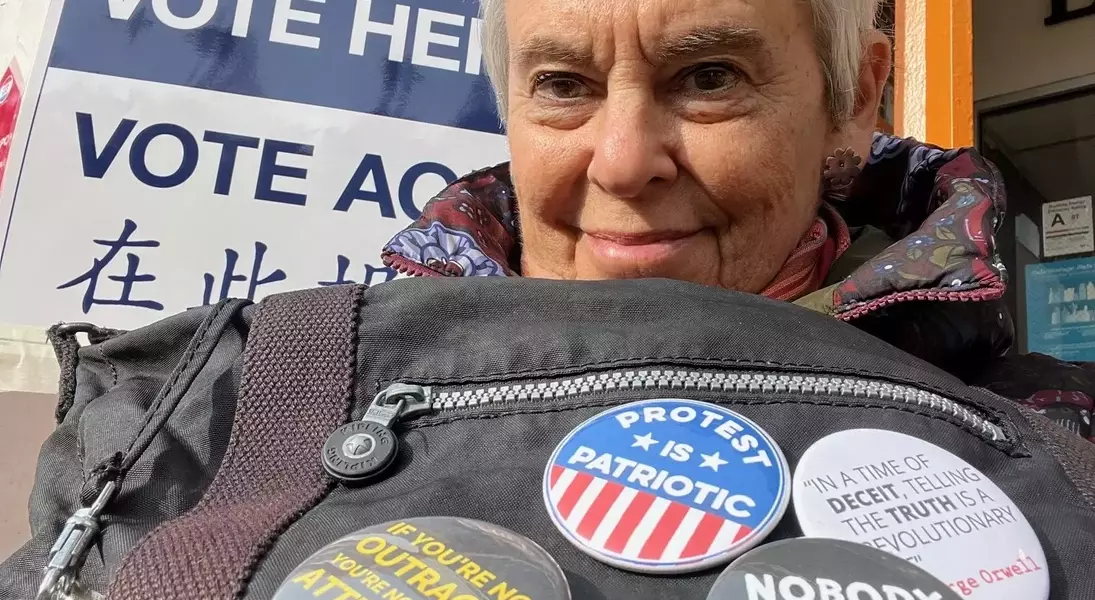
A groundswell of support is emerging from New York City's vibrant arts and cultural sectors for Zohran Mamdani's mayoral campaign. This backing stems from his progressive agenda, which directly tackles issues of affordability, equitable economic policies like Universal Basic Income (UBI), and robust investment in the city's cultural landscape. Many artists and cultural workers, who frequently navigate the precarious economic realities of urban life, perceive Mamdani as a politician uniquely attuned to their concerns, offering a fresh and hopeful perspective for the city's future.
Details of the Campaign's Artistic Alliance
The campaign trail of Zohran Mamdani, a 34-year-old state assembly member, has been energized by an unexpected yet passionate alliance with the city's artists and cultural workers. This support began months ago, driven by a collective desire for change following recent political disappointments and a yearning for a candidate who genuinely embodies their aspirations. Mamdani's early political history, including a high school campaign promise for fresh-squeezed orange juice, which was once fodder for conservative tabloids, is now seen by his supporters as an early indicator of his commitment to universal well-being and affordability.
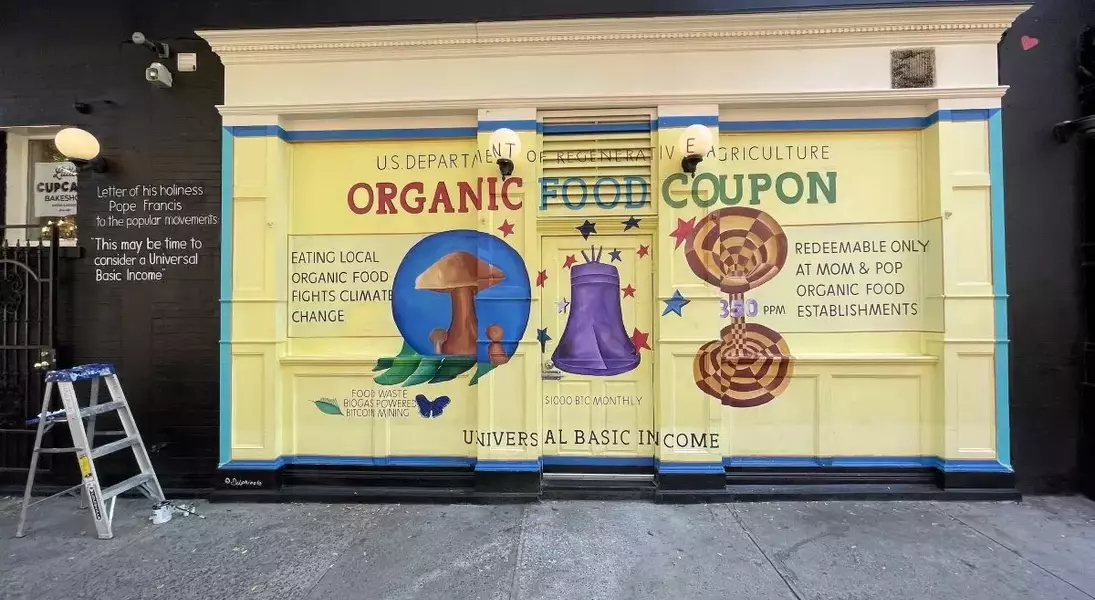
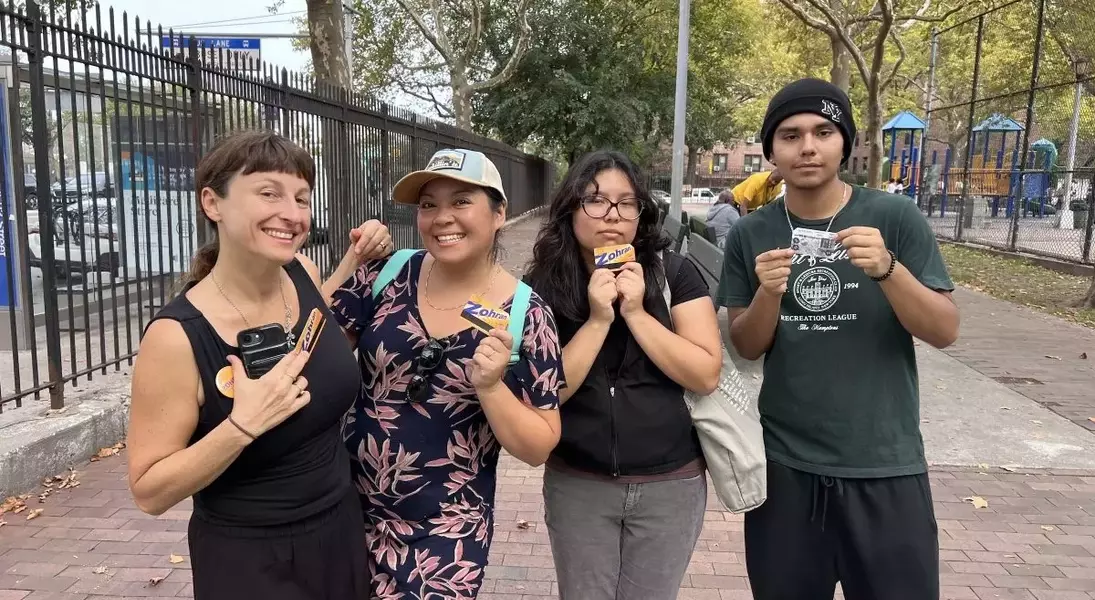
Massimo LoBuglio, a Lower East Side artist known for his murals promoting food equality, views Mamdani's focus on affordability and UBI as a sign of a burgeoning social movement. LoBuglio highlights the synergy between various groups advocating for economic justice, suggesting that Mamdani's platform could be a unifying force. Despite being an early underdog, Mamdani's campaign has gained significant momentum, with recent polls indicating a commanding lead over his rivals, including former New York governor Andrew Cuomo and Republican nominee Curtis Sliwa. The surge in early voter turnout, particularly among younger demographics, underscores the growing enthusiasm for his candidacy.
Artists like William Chan, who began volunteering for Mamdani ten months prior when his polling numbers were modest, were drawn to his distinctive voice within the Democratic party. Chan, a member of the Working Families Party, sees Mamdani as a rare Democrat who champions an equitable worldview and an affordability agenda. This sentiment resonates strongly within the arts community, where economic precarity is a constant challenge. Research, including findings from Creatives Rebuild New York's guaranteed income program, demonstrates that financial stability directly enables artists to pursue their creative endeavors more freely.
Queens-based artist and educator Natalia Nakazawa emphasizes the crucial need for continued investment in New York City's cultural plan and the protection of its diverse communities. She points to Mamdani's platform, which aligns with her concerns for vulnerable groups, affordable housing, and accessible food. The candidate's key proposals, such as universal childcare, improved public transportation, and city-owned supermarkets to combat rising grocery prices, address the daily struggles faced by many New Yorkers, including those in the arts.
Samhita Kamisetty, a member of the Greenpoint-based Flower Shop Collective, expresses a profound sense of being understood by Mamdani, particularly as a South Asian individual and a city resident grappling with the high cost of living. She appreciates his direct and unambiguous approach to these pressing issues. Similarly, Rebecca Polanzke, a sales assistant in a prominent art gallery, highlights the importance of Mamdani's rent freeze policy, which offers a lifeline to cultural workers striving to remain in the city despite stagnant wages and escalating housing costs. Her concern for adequately funding NYCHA buildings also reflects a broader commitment to community well-being.
Many supporters are drawn not only to Mamdani's policies but also to his authenticity. Kenneth Sousie, a Brooklyn-born filmmaker, sees Mamdani as a genuine New Yorker who could restore the city's creative spirit, rather than catering exclusively to the affluent. Artist and feminist Mira Schor, a vocal supporter, cast an early vote for Mamdani, viewing his candidacy as a reflection of a generational and globalist trend towards a more diverse and inclusive leadership. Despite potential political headwinds, including threats of federal funding cuts from former President Trump, Mamdani's supporters remain steadfast, inspired by his commitment to legal recourse against such actions.
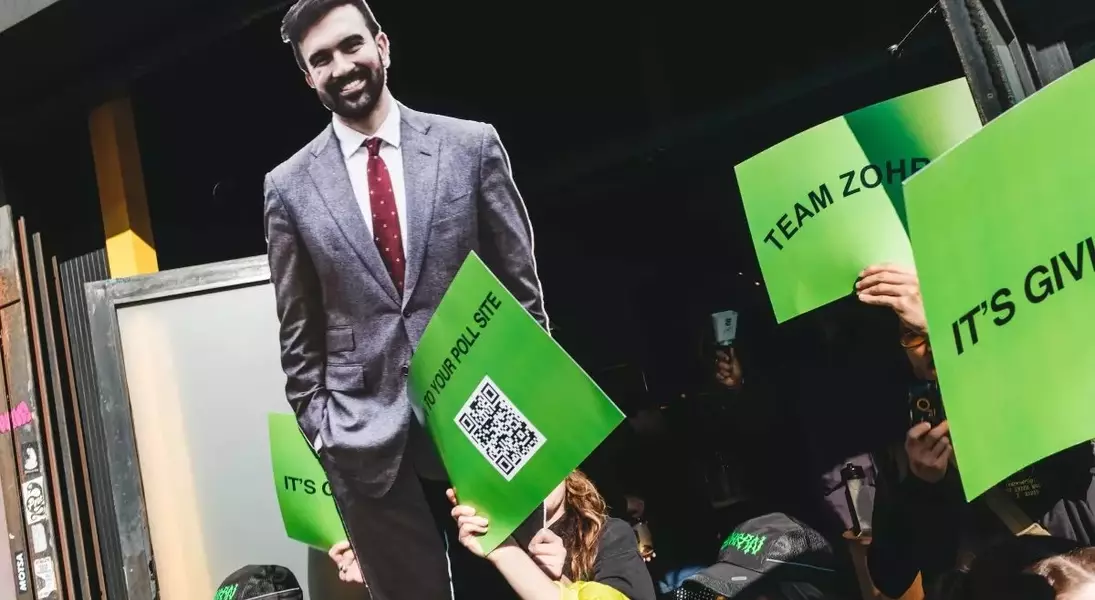
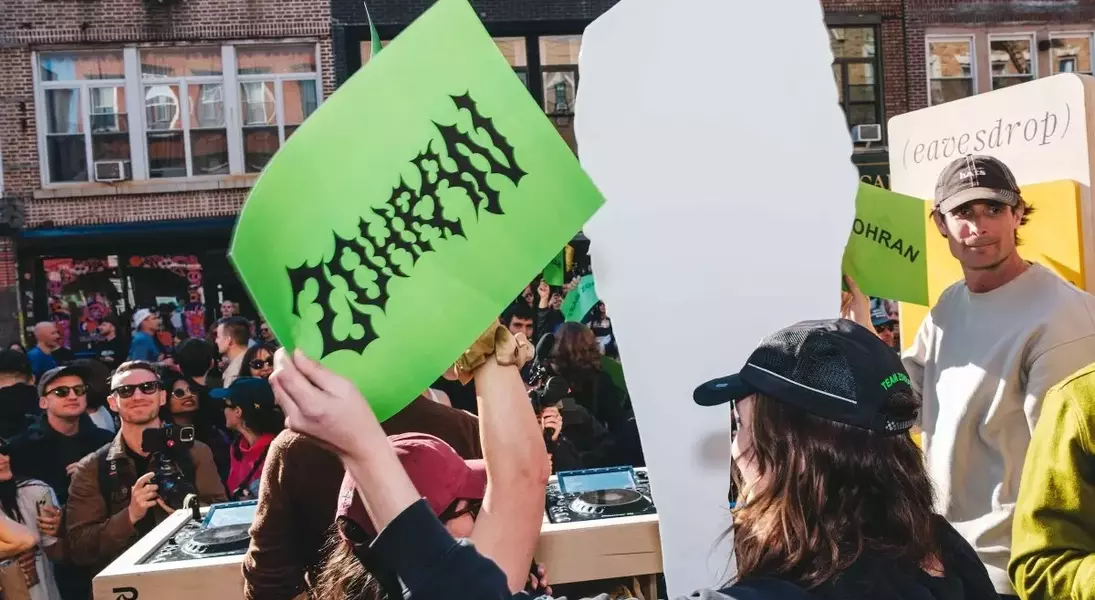
The spirit surrounding Mamdani's campaign is palpable, extending beyond policy to a more abstract sense of hope. Kristine Michelsen-Correa, who initiated an unofficial merchandise project to benefit asylum seekers, observes that Mamdani is already infusing New York with a renewed sense of joy. Her anecdote about Mamdani's genuine laughter upon seeing a life-sized cutout of himself at a rally encapsulates the candidate's approachable and human connection with his constituents, fostering a collective optimism for the city's future.
The groundswell of support for Zohran Mamdani from the arts community offers a compelling narrative about the intersection of cultural life and political action. It highlights how policy decisions, particularly those concerning affordability and social welfare, directly impact the ability of artists and cultural workers to thrive. This engagement underscores the vital role that the arts play in shaping a city's identity and future. It's a powerful reminder that when political leadership genuinely listens to and champions the needs of its diverse communities, including its creative forces, it can ignite a sense of shared purpose and hope, fostering not just economic stability but also cultural vibrancy and social cohesion. The campaign illustrates that a politician's authenticity and a platform focused on tangible improvements in daily life can resonate deeply, mobilizing a community that often feels marginalized by mainstream politics. This movement suggests that the arts can be a powerful catalyst for political change, advocating for a city where creativity is not a luxury but an integral part of an equitable and flourishing society.
