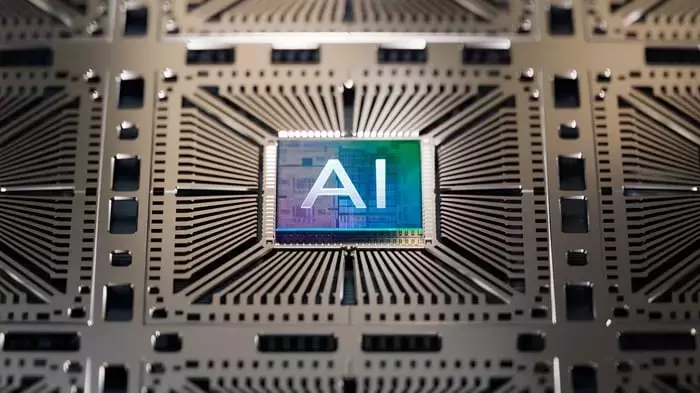
Broadcom, an established leader in the semiconductor and infrastructure software sectors, is poised for remarkable expansion in the coming years. The company's strategic focus on custom artificial intelligence (AI) chips is a pivotal factor in its anticipated growth. While already a significant player in the networking and virtualization domains, Broadcom's unique approach to catering to the surging demand for AI hardware could unlock substantial value for investors. The increasing need for specialized AI processors, driven by major technology firms, places Broadcom in a prime position to capitalize on this burgeoning market.
Broadcom's Strategic Leap into Custom AI Chips
Broadcom, a prominent entity in the technology landscape, is actively enhancing its market presence through its two primary operational divisions: semiconductor solutions and infrastructure software. Within its semiconductor arm, the company has historically excelled in networking technologies, providing essential components like Ethernet switches and optical elements crucial for high-speed data transfer in data centers. The escalating requirements of AI workloads for both high throughput and minimal latency have significantly boosted this segment's performance.
A critical differentiator for Broadcom lies in its expertise in developing application-specific integrated circuits (ASICs). Unlike versatile general-purpose chips, ASICs are meticulously engineered for specific functions, offering superior power and efficiency for their intended tasks. In response to the burgeoning AI revolution, an increasing number of clients are partnering with Broadcom to design bespoke AI chips tailored to their unique needs.
Furthermore, Broadcom boasts a robust infrastructure software portfolio, meticulously assembled through key acquisitions including CA Technologies, Symantec, and the industry-leading virtualization specialist, VMware. VMware's Cloud Foundation platform, a cornerstone of its offerings, is particularly benefiting from the AI infrastructure buildout. This platform empowers corporate clients to effectively manage their AI workloads across various public clouds and internal data centers, thereby mitigating vendor lock-in risks.
While numerous facets of Broadcom's operations are leveraging the AI boom, its most substantial growth vector is undoubtedly the custom AI chip market. The escalating costs and limited availability of graphics processing units (GPUs) from companies like Nvidia have compelled hyperscale data center operators to seek more economical and efficient alternatives for AI inference at scale. Given that inference is a continuous process, the long-term cost efficiencies offered by custom-designed chips are immense.
Broadcom's successful collaboration with Alphabet in developing its Tensor Processing Units (TPUs) for Google Cloud serves as a compelling testament to its capabilities. This triumph has paved the way for new partnerships with industry giants such as Meta Platforms and ByteDance, both of whom are engaged with Broadcom in the development of their own proprietary chips. Recently, the company revealed a significant order from a fourth major client, widely speculated to be OpenAI, signaling the rapid transition from design to mass production and underscoring the intense demand for GPU alternatives. With OpenAI's planned extensive data center expansion in conjunction with Oracle, Broadcom's potential upside is considerable. Moreover, reports indicate that Apple is also collaborating with Broadcom on its own AI chip initiatives, further solidifying Broadcom's position in this transformative market.
The strategic pivot towards custom AI chips represents a shrewd move for Broadcom. By addressing a critical need in the rapidly evolving AI landscape, the company is not only securing its place as a key technology enabler but also demonstrating its adaptability and foresight. This focus positions Broadcom to capture a significant share of the market, offering specialized solutions that cater to the unique demands of large-scale AI deployments. The ripple effect of these collaborations and the inherent advantages of ASICs could fundamentally reshape the competitive dynamics of the AI hardware sector, with Broadcom at the forefront of this innovation.
