Cannupa Hanska Luger's new exhibition, "Dripping Earth," at the Joslyn Art Museum, offers a profound immersion into the intersection of past and future, drawing visitors into a contemplative space reminiscent of an aquatic journey. The exhibition, shaped by Luger's Mandan, Hidatsa, Arikara, and Lakota ancestry, ingeniously connects historical bull boats with the museum's location along the Missouri River, establishing a narrative that weaves together his heritage, the museum's collection, and his artistic vision.
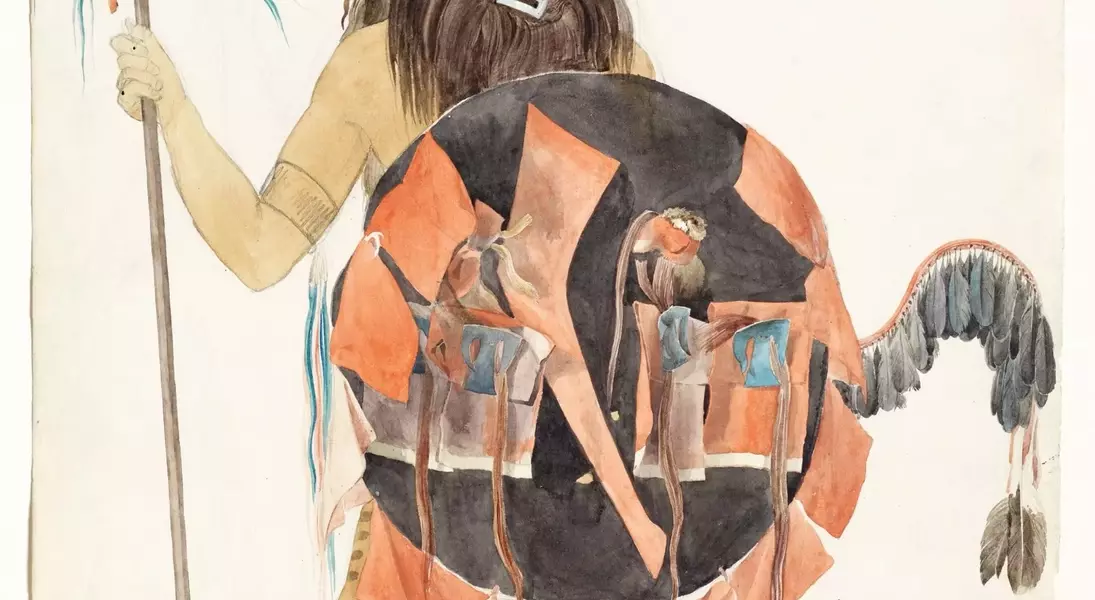
Luger's work is characterized by its interdisciplinary nature, exploring Northern Plains heritage through various mediums such as clay, sculpture, performance, and textiles. A significant inspiration for "Dripping Earth" is the work of Karl Bodmer, a Swiss artist whose 19th-century depictions of Indigenous American tribes, created during an expedition with German naturalist Prince Maximilian of Wied, are held in the Joslyn's collection. Luger critiques how historical prints, derived from Bodmer's original watercolors, sometimes "corrected" perceived flaws, thereby altering the factual representation of Indigenous identity. This highlights the artist's keen interest in the transformation of narratives and how historical records can become fixed and potentially misconstrued, contrasting with the dynamic, evolving essence of oral traditions prevalent in Northern Plains cultures. His series, "Future Ancestral Technologies," aims to bridge temporal gaps, presenting Indigenous American material and visual culture not as relics of the past, but as vibrant, continuous expressions.
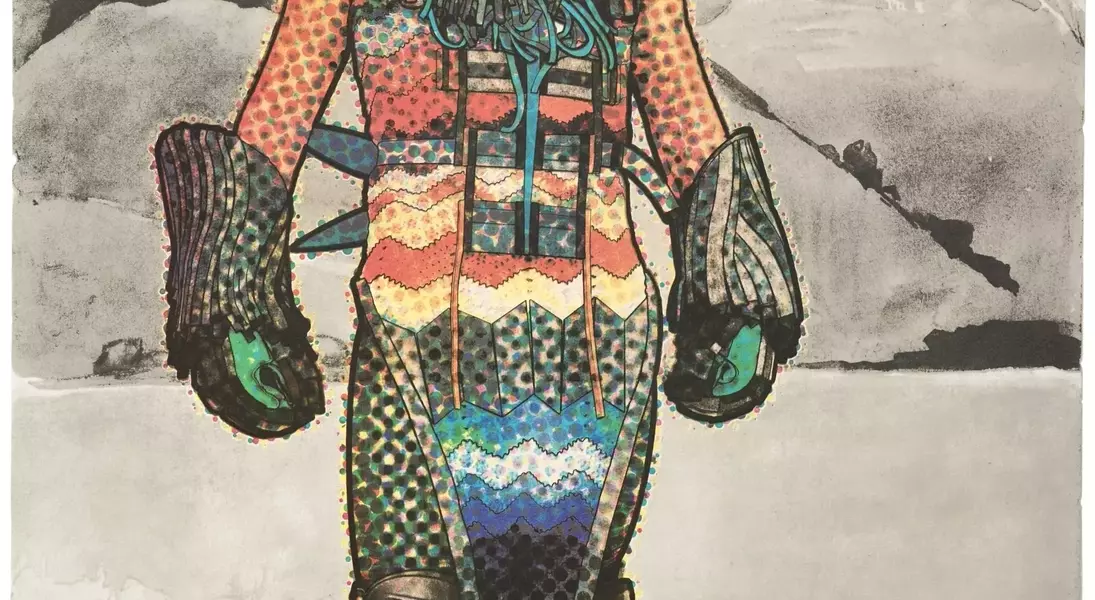
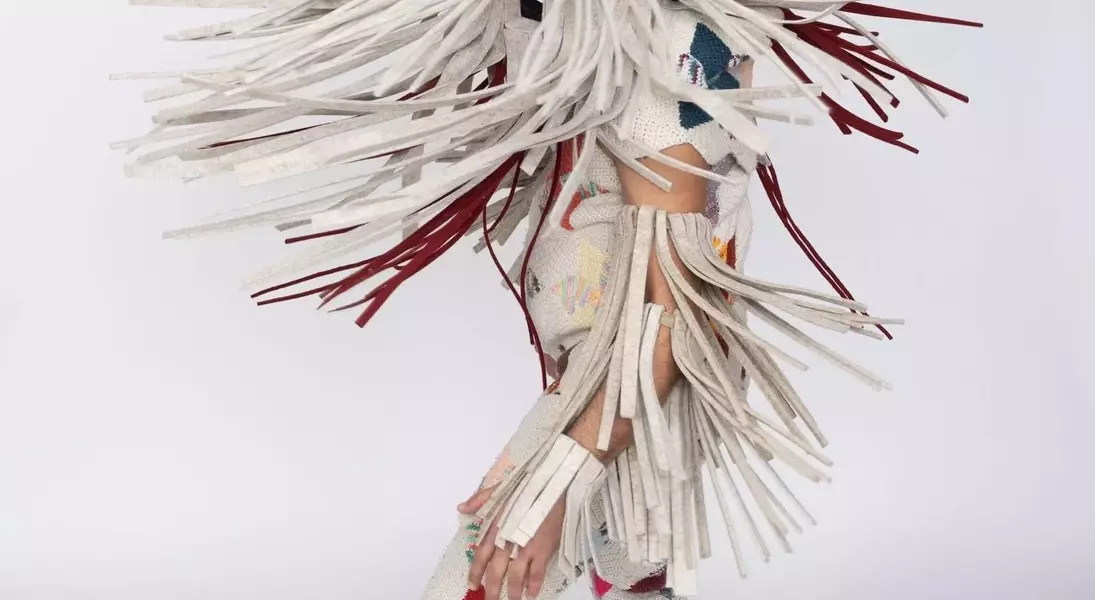
The exhibition features Luger's most expansive works to date, including a monumental steel and black clay figure, ceramic vessels, carved wooden pieces, and multimedia installations. A notable interactive element is a socially engaged sculpture resembling a colossal buffalo-shaped abacus, formed by steel poles adorned with handmade clay beads. This piece visually represents the resurgence of wild buffalo on the plains, inviting museum visitors to contribute their own clay beads, thus participating in the sculpture's evolving form. A central theme is explored through Luger's "Midéegaadi" series, featuring dancers adorned in crocheted fabrics and bison-evocative headdresses. These figures are incorporated into limited-edition prints that merge with Bodmer's landscapes of the Missouri River region, subtly challenging Bodmer's original works that often omitted Indigenous presence from his landscape backgrounds. Luger's artistic intervention asserts the undeniable presence of Indigenous peoples in these historical landscapes.
Luger's work transcends mere artistic expression; it is a powerful reimagining of history and cultural identity. By merging ancestral wisdom with forward-thinking artistic practices, he challenges viewers to reconsider how narratives are constructed and preserved. The exhibition encourages a deeper understanding of Indigenous resilience and innovation, celebrating an unbroken lineage that navigates complex histories while actively shaping a dynamic future. Through his art, Luger inspires a collective reflection on our shared past and the potential for a more inclusive future.