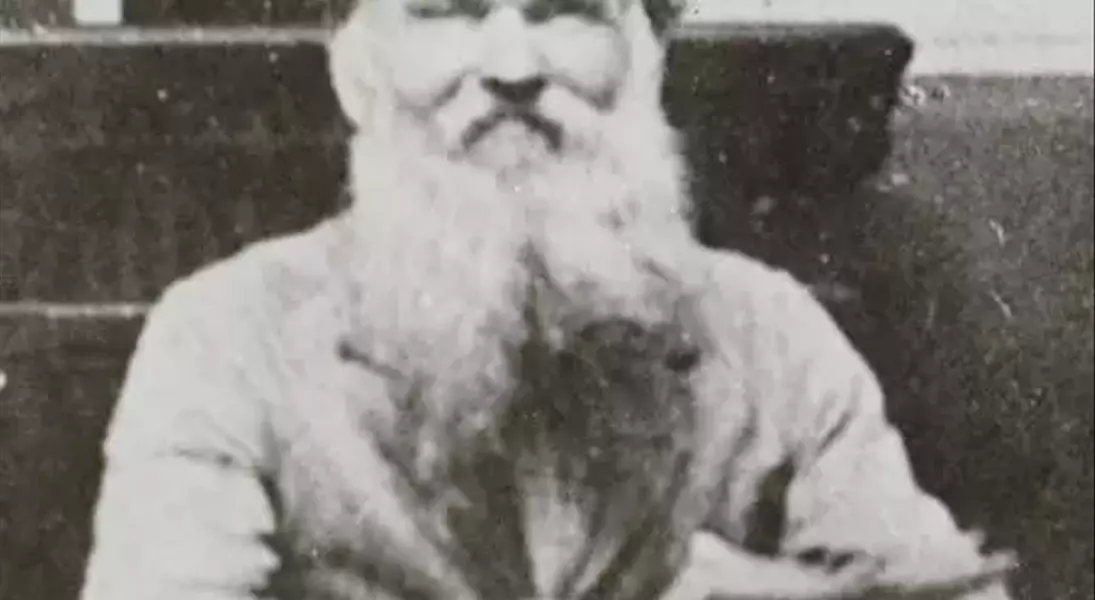
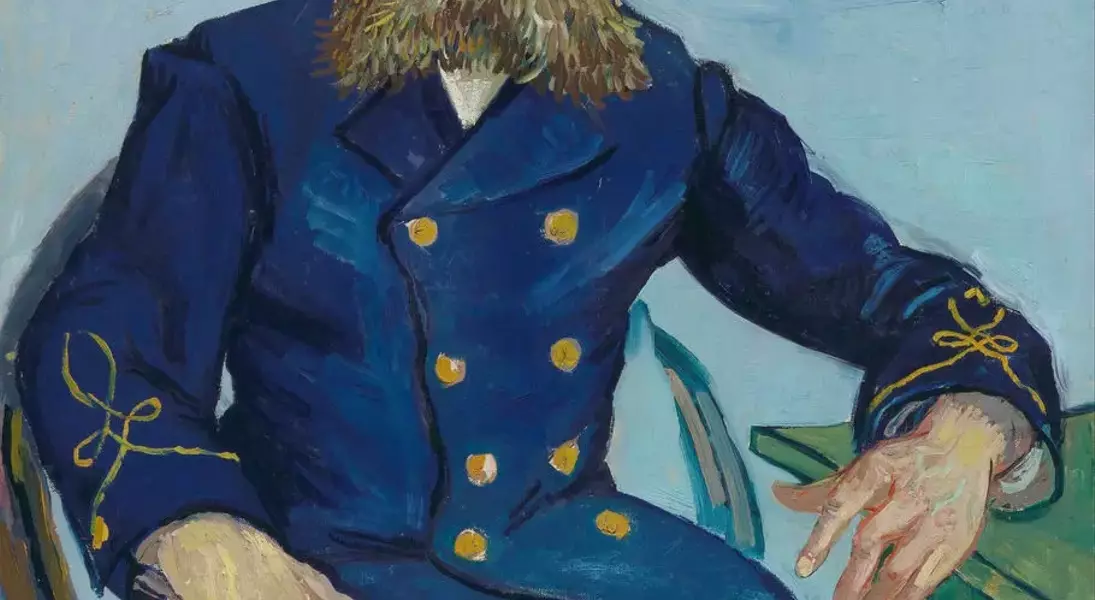
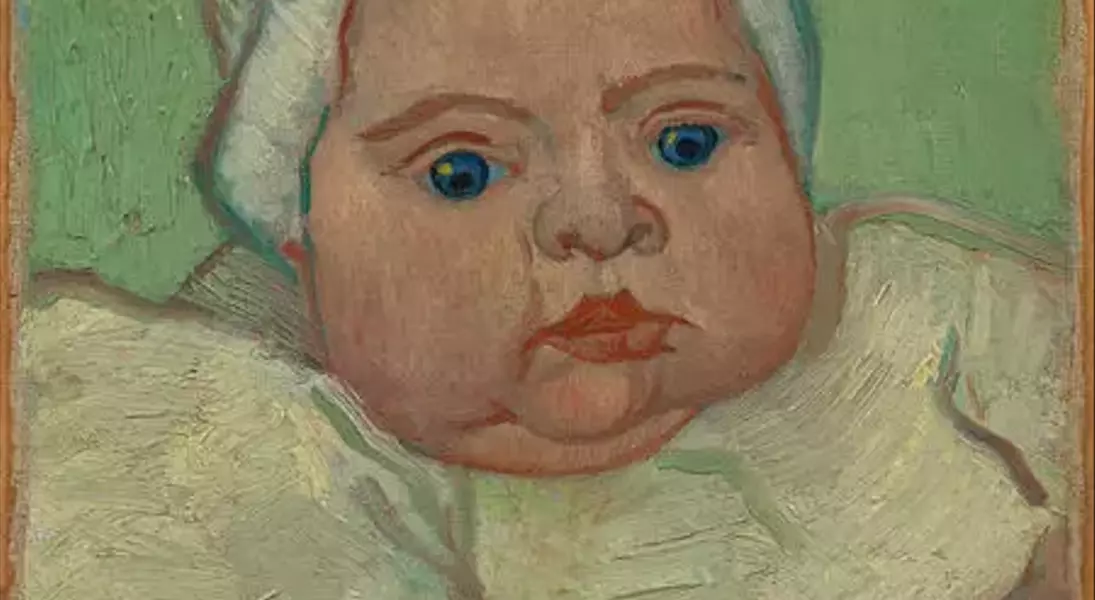
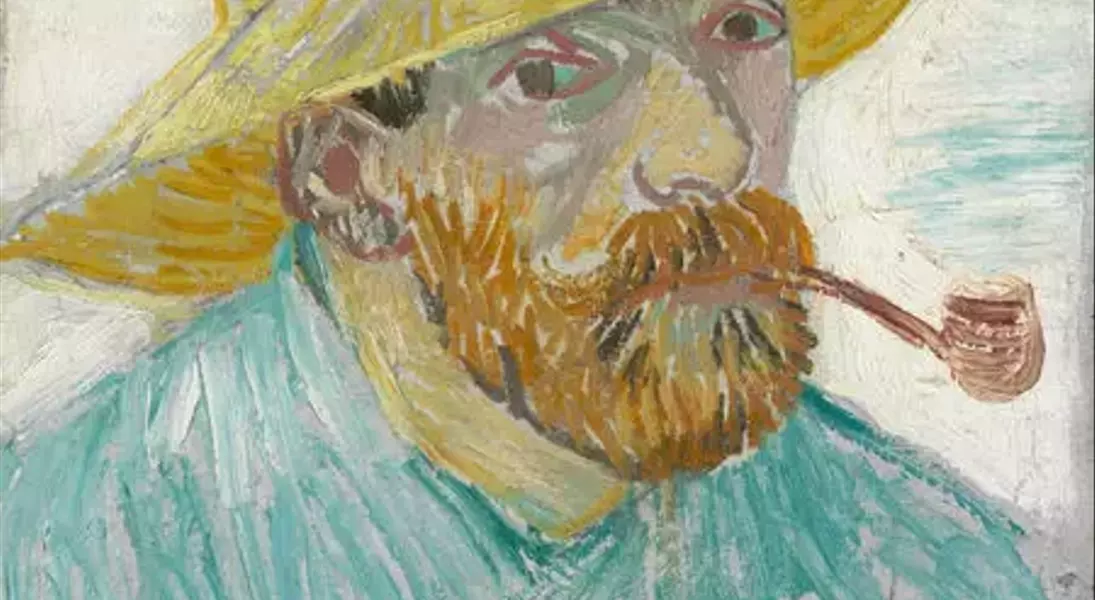
Vincent van Gogh's deep connection with Joseph Roulin, the postman from Arles, transcended a mere artist-subject relationship; it offered him both artistic inspiration and a semblance of the family life he yearned for. This bond was pivotal in shaping Van Gogh's artistic evolution, leading to a series of portraits of Roulin and his family that are now celebrated for their innovative style and emotional depth. These works, brought together for the first time in a significant European exhibition, underscore Van Gogh's ambition to portray ordinary people with profound authenticity and his departure from conventional portraiture.
The exhibition at the Van Gogh Museum in Amsterdam, titled "Van Gogh and the Roulins: Together Again at Last," highlights the profound impact of the Roulin family on the artist's oeuvre. Featuring 14 of approximately 25 known portraits, the collection illuminates how Van Gogh utilized these sittings to refine his unique style. He abandoned traditional naturalistic settings in favor of expressive, vividly colored backgrounds, drawing inspiration from Japanese prints and applying sophisticated color theory to create lifelike, three-dimensional effects. The Roulin family provided Van Gogh with much-needed companionship during a challenging period, influencing his art and helping him to solidify his legacy as a modern portraitist.
Van Gogh's Artistic Transformation in Arles
In 1888, seeking solace and artistic renewal away from the bustling art scene of Paris, Vincent van Gogh relocated to Arles, France. Here, he envisioned establishing an artist commune, a dream that briefly materialized with the arrival of Paul Gauguin. Though initially struggling with social integration and finding models for his portraits, Van Gogh's encounter with Joseph Roulin proved transformative. Roulin, a working-class mailman, captured Van Gogh's admiration for his integrity and industrious spirit, embodying the artist's desire to depict the lives of ordinary people.
The initial portraits of Roulin marked a significant shift in Van Gogh's approach, demonstrating his ambition to become a modern portrait painter. He consciously moved away from the detailed, flattering depictions of the elite, opting instead for a raw, authentic impression. This period saw the emergence of stylistic innovations that would define his late work, including the use of flat, vibrant backgrounds that were more expressive than representational, showcasing his evolving artistic vision and commitment to capturing the essence of his subjects rather than their superficial details.
The Roulin Family: A Source of Inspiration and Connection
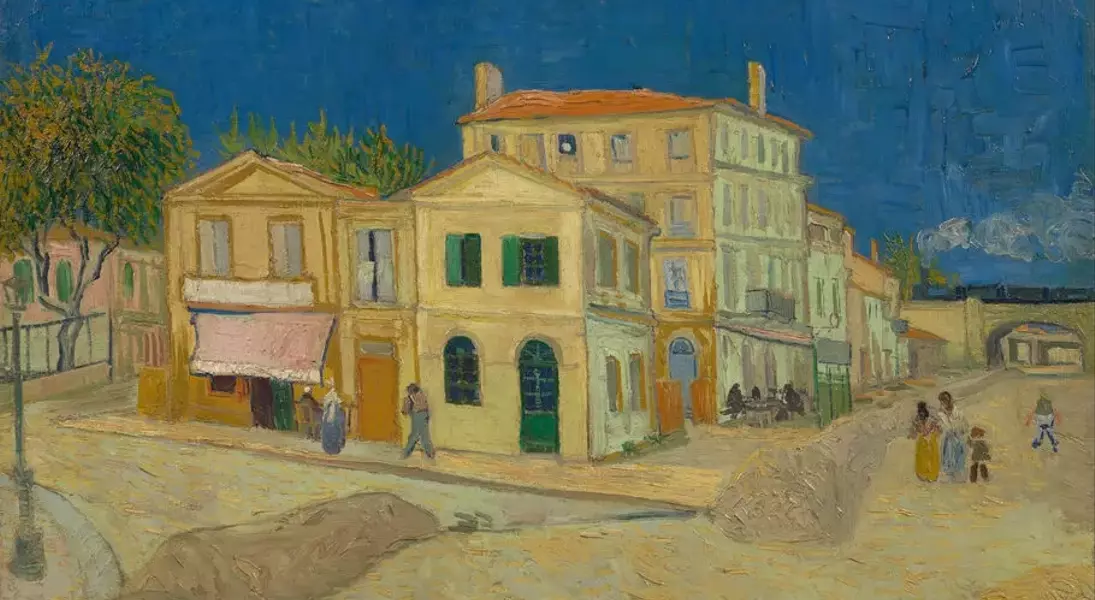
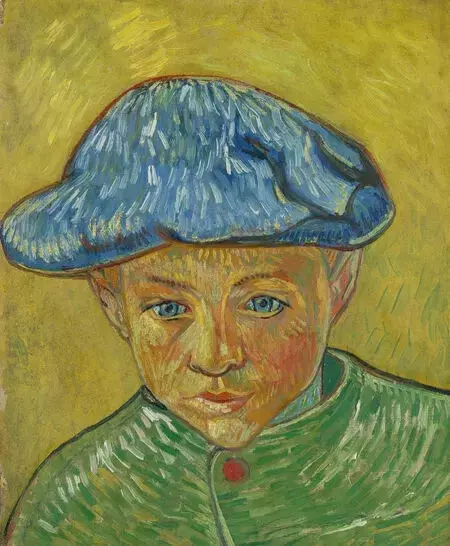
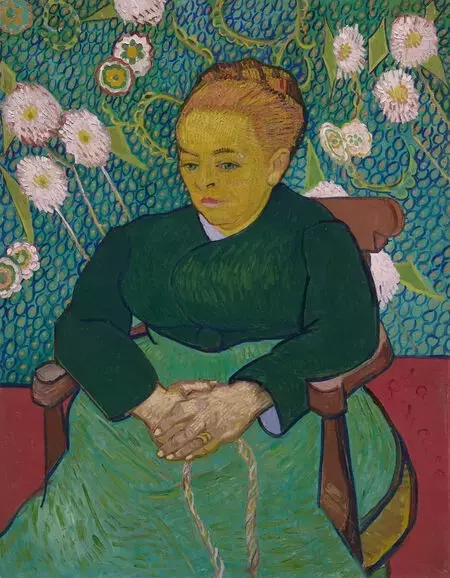
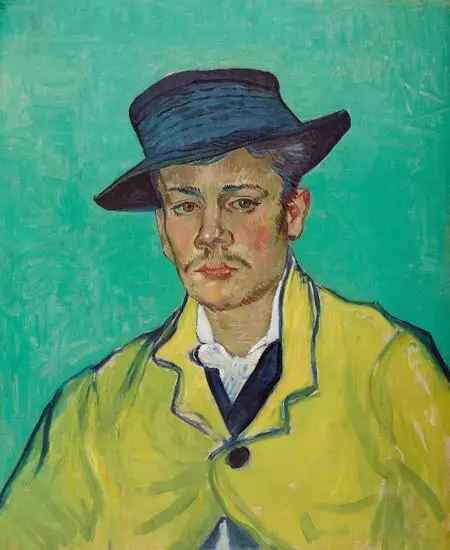
Beyond Joseph Roulin himself, Van Gogh extended his artistic gaze to the entire Roulin family: his wife Augustine and their three children, Armand, Camille, and Marcelle. This allowed Van Gogh to explore themes of family life and domesticity, aspects he deeply admired but never experienced firsthand. The Yellow House in Arles served as the setting for these sittings, culminating in a series of intimate portraits.
Among these, the multiple versions of Augustine Roulin, particularly "La Berceuse," symbolize a nurturing motherhood, depicted with a stoic nobility against expressive backgrounds. The portraits of the Roulin children, like Armand Roulin with his vibrant turquoise backdrop, further exemplify Van Gogh's innovative use of color and form, where complementary colors and bold outlines create a striking visual impact. These works not only reflect Van Gogh's personal yearning for a stable family but also represent a crucial turning point in his artistic development, where he refined the expressive and color-driven techniques that characterize his most famous pieces, including "The Starry Night."
