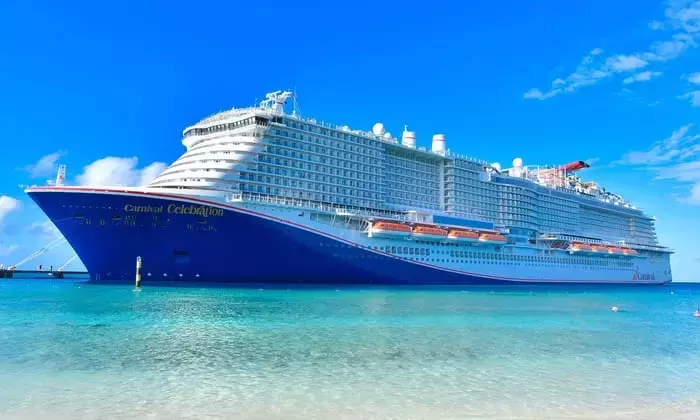
Carnival Corporation, a leading cruise operator, is currently experiencing a robust recovery, marked by record booking volumes and ship occupancy rates surpassing 100%. This resurgence positions the company as a noteworthy performer, even outpacing the S&P 500 in recent times.
Despite the impressive operational turnaround, Carnival still faces the challenge of a considerable debt burden, a legacy of the pandemic-induced shutdown. The company had accumulated over $27 billion in debt, significantly more than its book value of $10 billion. Nevertheless, Carnival has demonstrated a proactive approach to managing this debt, reducing it by more than $2 billion in the first half of fiscal year 2025. This debt reduction has been achieved without hindering growth, as evidenced by an 8% increase in revenue compared to the previous year and a net income of $486 million. The company's strategy includes expanding its fleet with two new ships by 2028 to meet the sustained high demand.
The market has responded positively to Carnival's recovery, with its stock price climbing by nearly 70% over the past year. Even with this increase, the stock remains considerably below its 2018 peak and boasts an attractive price-to-earnings ratio of 17, making it a potentially undervalued asset compared to competitors like Royal Caribbean. This scenario suggests that investors still have an opportunity to capitalize on Carnival's ongoing financial and operational rebound.
Carnival's journey through challenging waters to its current strong position illustrates the resilience of the travel industry and the effectiveness of strategic management. The company's ability to navigate high debt levels while simultaneously expanding operations and achieving profitability highlights a commitment to long-term growth and investor value. This remarkable comeback serves as an inspiring example of overcoming adversity and forging a path toward sustained success in a dynamic global market.
