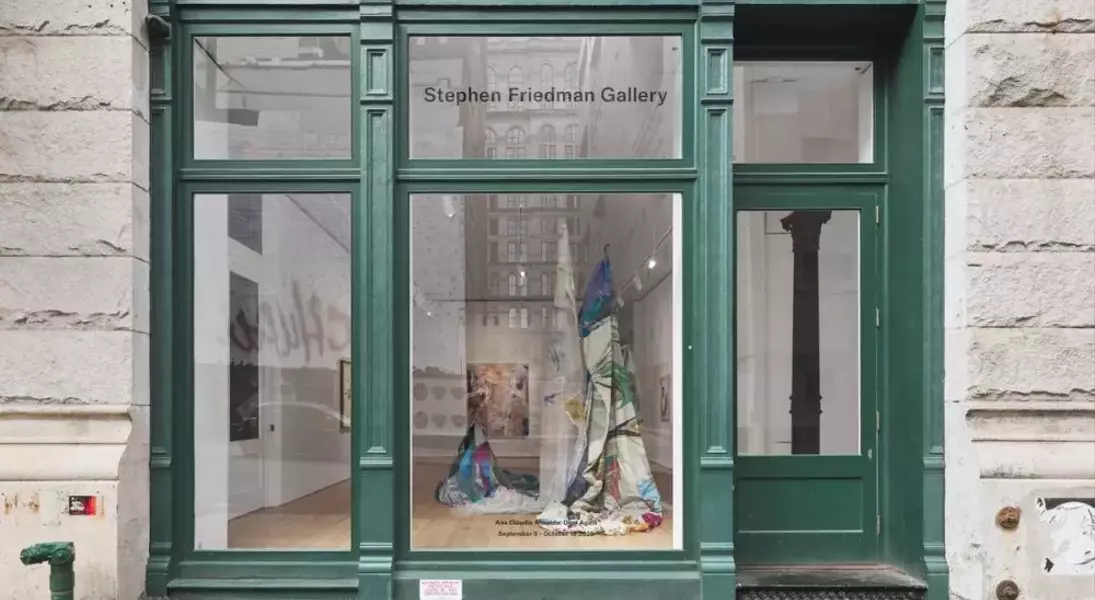
Stephen Friedman Gallery's decision to shut down its New York operations by February 2026, after only two years, signifies a pivotal moment for the institution, which it characterizes as a 'strategic evolution' aimed at strengthening its presence from its London headquarters.
This closure, though presented optimistically by the gallery as a refocusing on global relationships and a continued strong presence at major art fairs like Art Basel and Frieze, has sparked broader conversations within the art world about the current state of the art market. Journalist Tim Schneider's concept of 'Art Market Dysmorphia' aptly describes the current climate, where an equal number of galleries are either expanding or contracting, making it difficult to ascertain a clear market trend. Despite the upbeat public messaging, the withdrawal from Tribeca after a significant investment in time and capital suggests a deeper, perhaps less optimistic, internal assessment of the New York venture.
The art market's inherent opacity and the conflicting narratives of growth and contraction contribute to a complex landscape where even significant strategic shifts, such as Friedman's departure from New York, can be interpreted in multiple ways. The gallery emphasizes its artists' continued institutional successes as proof of its ongoing influence, yet the physical closure of a space in a major art hub like New York inevitably raises questions about the sustainability and future directions of mid-to-upper tier galleries in an unpredictable global market.
In these times of constant change, it is crucial for institutions and individuals alike to remain adaptable and resilient. The art world, much like life itself, is a dynamic ecosystem where challenges often pave the way for new opportunities, fostering innovation and a renewed sense of purpose. Embracing evolution and seeking clarity amidst ambiguity can lead to stronger, more sustainable paths forward for all involved.