
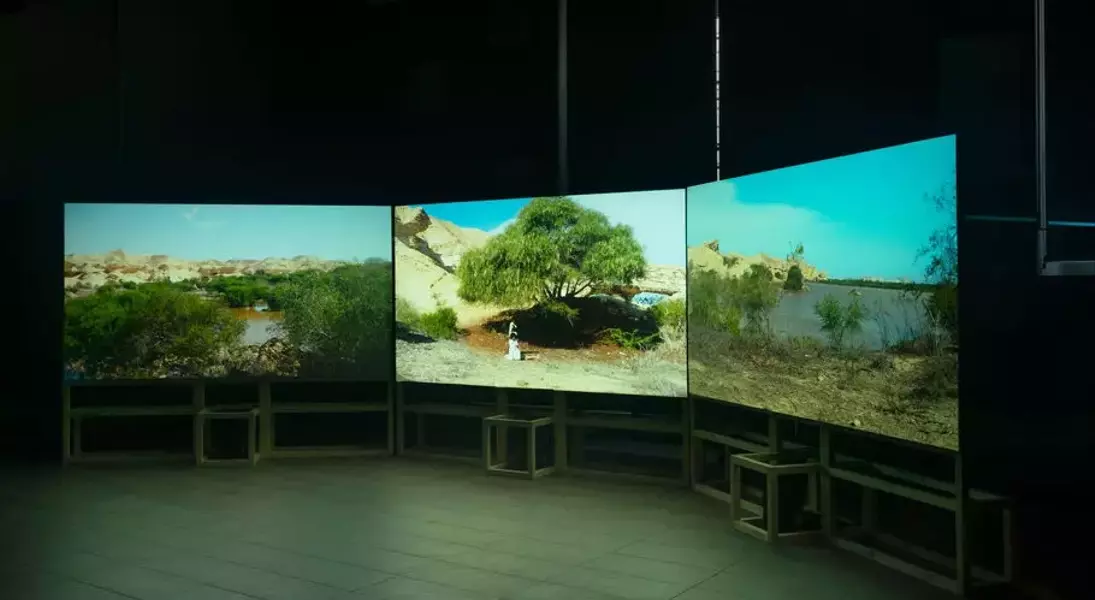



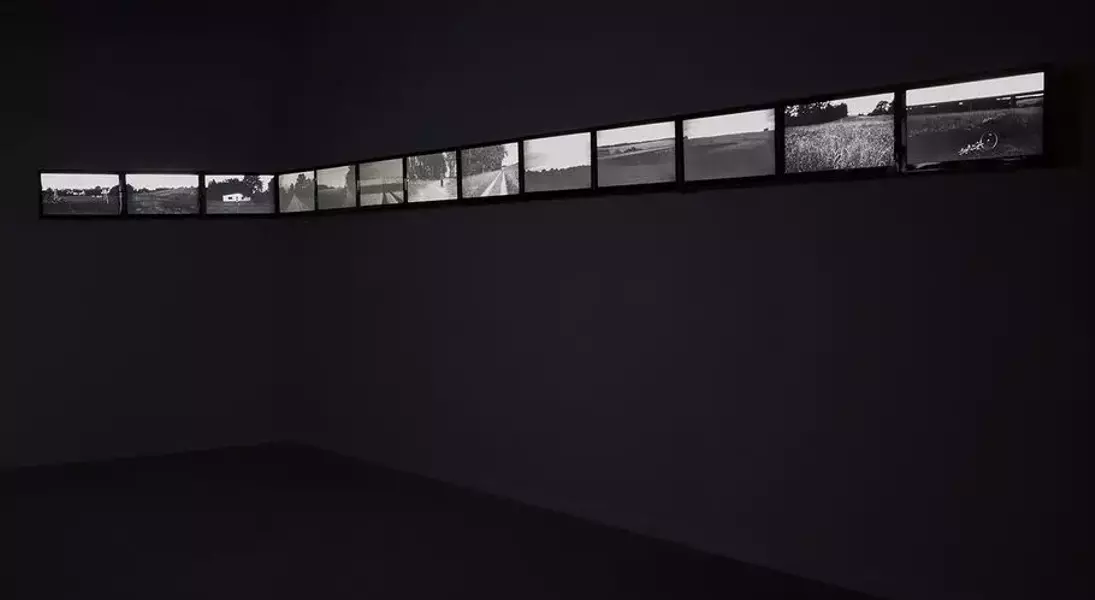


Understanding video art is the first step in appreciating its unique place in the contemporary art world. Video art, also known as time-based media, emerged in the 1960s and has since become a crucial component of modern art collections. It encompasses various forms, from single-channel films on a screen to complex installations involving multiple displays and integrated sound. For those interested in acquiring such works, practical questions often arise regarding file types, display methods, and the essence of ownership. As Sabrina Amrani, a Madrid-based gallerist, aptly states, collecting video art requires the same dedication and insight as any other artistic medium, as one is investing in both a concept and its technological manifestation. Despite initial appearances, navigating the world of video art acquisition is more straightforward than it seems, with experts and gallerists offering valuable guidance on what to expect and how to properly engage with these works beyond their initial viewing.
When purchasing video art, several key factors and formats should be carefully examined. Video art fundamentally involves using moving-image technology to convey creative, conceptual, or emotional messages, often diverging from conventional cinema. These artistic expressions can be showcased through screens, projections, or other digital interfaces, ranging from continuous loops on a single monitor to multi-channel setups with synchronized audio and visuals, or even interactive, code-based pieces that respond to their environment. Buyers typically receive a digital file or physical media, a certificate of authenticity that legally defines the artwork, and detailed display instructions from the artist. Additionally, specific equipment and edition details, if applicable, are crucial components of the acquisition. The value of video art, much like traditional mediums, is influenced by the artist's career and the context of the work. However, video art incurs additional costs related to installation, calibration, shipping, insurance, maintenance, and potential equipment upgrades. Consequently, a comprehensive understanding of the piece's technical requirements and the artist's vision is essential.
Preserving and responsibly managing video art requires a proactive approach to ensure its longevity and artistic integrity. Ownership of video art includes the right to display or lend the piece, while the artist generally retains copyright, meaning any reproduction or modification outside agreed terms necessitates their consent. Collectors should treat video art files with the same diligence as any vital digital information, maintaining secure backups and periodically verifying data integrity. It is also imperative to migrate files to newer storage formats as technology evolves to prevent obsolescence. Furthermore, maintaining display equipment according to the artist's specifications is critical, and galleries can assist with format updates or sourcing compatible hardware. For those new to collecting, prioritize artworks that resonate personally, actively engage with the community of artists, gallerists, and fellow collectors, and thoughtfully consider how the artwork's dynamic nature will integrate into their living space.
Embracing the complexities and distinct characteristics of video art offers collectors a unique opportunity to enrich their collections with dynamic and thought-provoking works. By understanding the nuances of this medium and committing to its proper care, collectors not only preserve these innovative creations but also contribute to the ongoing dialogue between art, technology, and human experience.