For centuries, Indigenous art was largely confined to specific cultural settings, with limited representation in mainstream art venues. However, a significant shift is now underway, as Native American, Alaska Native, and Native Hawaiian artists are increasingly garnering global attention and establishing their presence in prominent galleries and institutions. This burgeoning recognition marks a pivotal moment, affirming the rich diversity and innovative spirit of Indigenous artistic practices. These artists are not merely preserving tradition; they are actively shaping the future of contemporary art by weaving ancestral knowledge with modern expressions, offering fresh perspectives on cultural identity, historical narratives, and environmental concerns.
This re-evaluation of Indigenous art underscores its profound relevance and essential contribution to global artistic conversations. By challenging preconceived notions and advocating for broader inclusion, these artists are paving the way for a more equitable and representative art world, ensuring that their unique voices and artistic visions are celebrated and understood on a global scale.
The Evolving Landscape of Indigenous Artistry
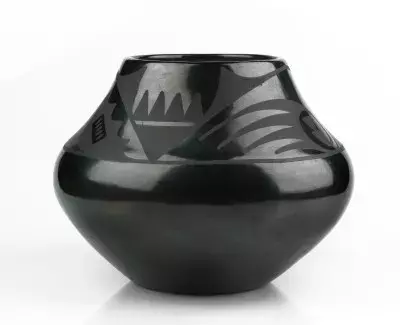
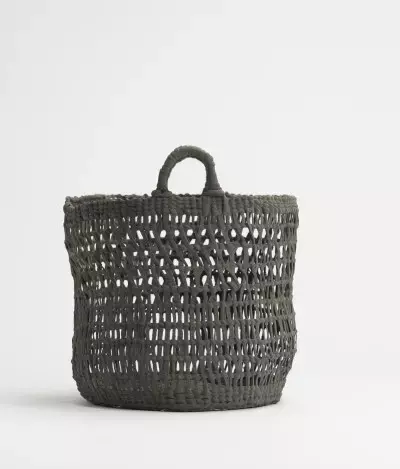
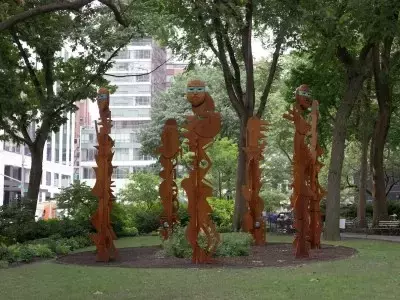
Indigenous artists, long marginalized and confined to specific cultural niches, are now experiencing a powerful resurgence, commanding attention within the broader global art landscape. This shift signifies a crucial moment for Native American, Alaska Native, and Native Hawaiian creators, whose works are increasingly featured in prestigious galleries and cultural institutions worldwide. Breaking free from historical limitations, these artists employ a vast array of mediums—from ancient pottery and intricate weaving to avant-garde installations and digital media—to express multifaceted narratives. Their art is a vibrant tapestry, interweaving deep-rooted cultural heritage with contemporary themes, effectively challenging existing artistic boundaries. They compel audiences to reconsider historical interpretations and embrace the dynamic evolution of Indigenous artistic expression.
This growing visibility is more than just a trend; it represents a fundamental re-evaluation of how Indigenous art is perceived and valued. It highlights the profound importance of incorporating these diverse perspectives into mainstream art discourse. Through their innovative practices, these artists are not only honoring their heritage but also actively shaping the future of global art, fostering a more inclusive and comprehensive understanding of human creativity. Their work serves as a powerful testament to resilience, cultural continuity, and artistic ingenuity, advocating for a world where Indigenous voices are not just heard, but celebrated and integrated into the global cultural fabric.
Innovations and Cultural Narratives in Contemporary Indigenous Creations
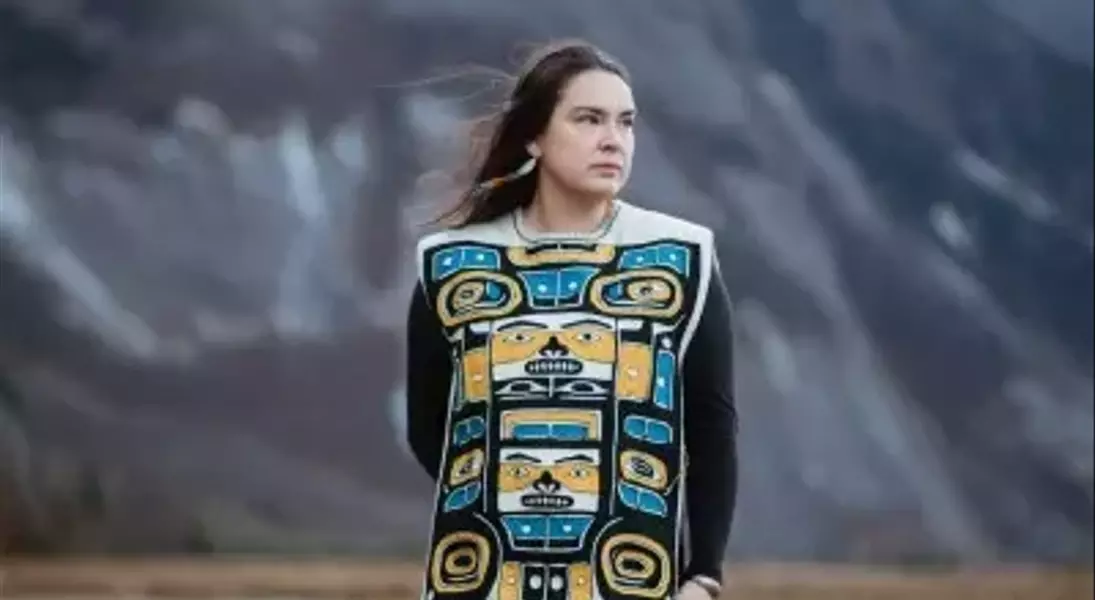
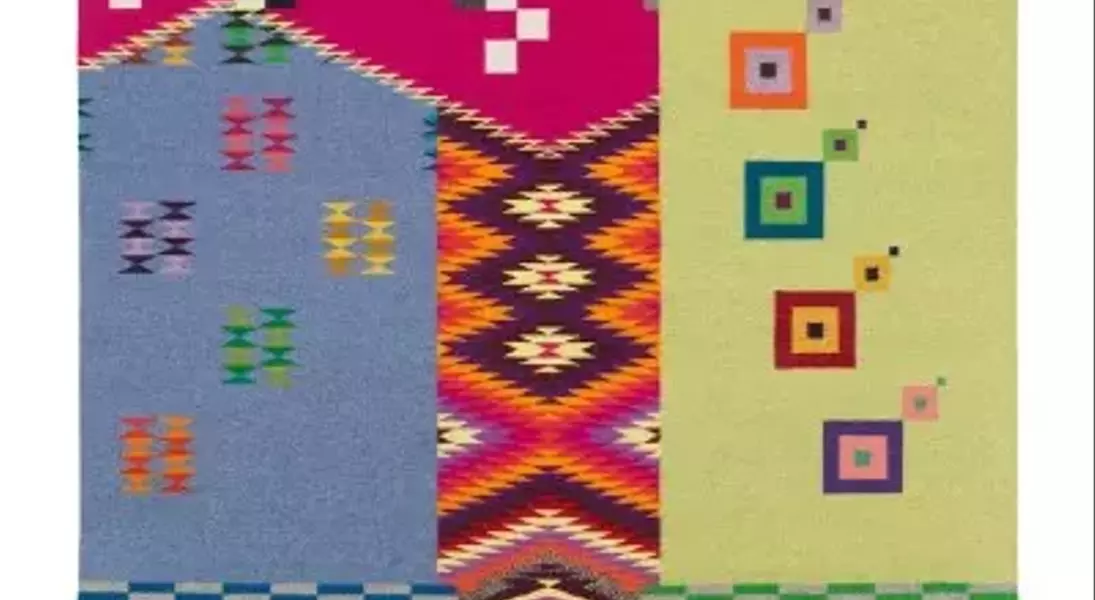
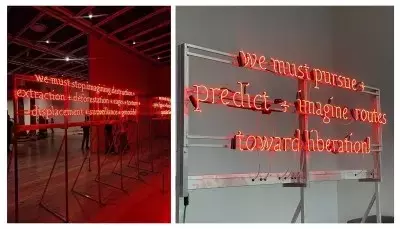
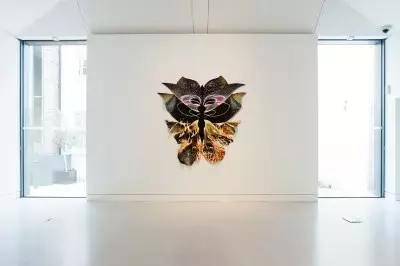
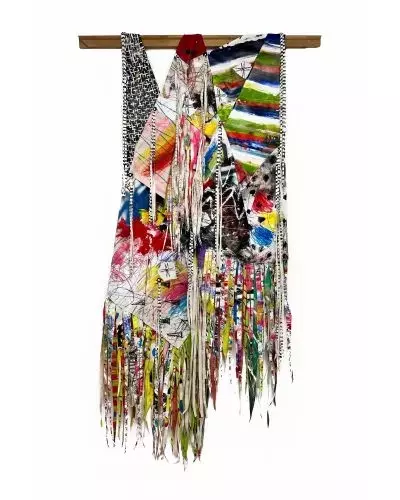
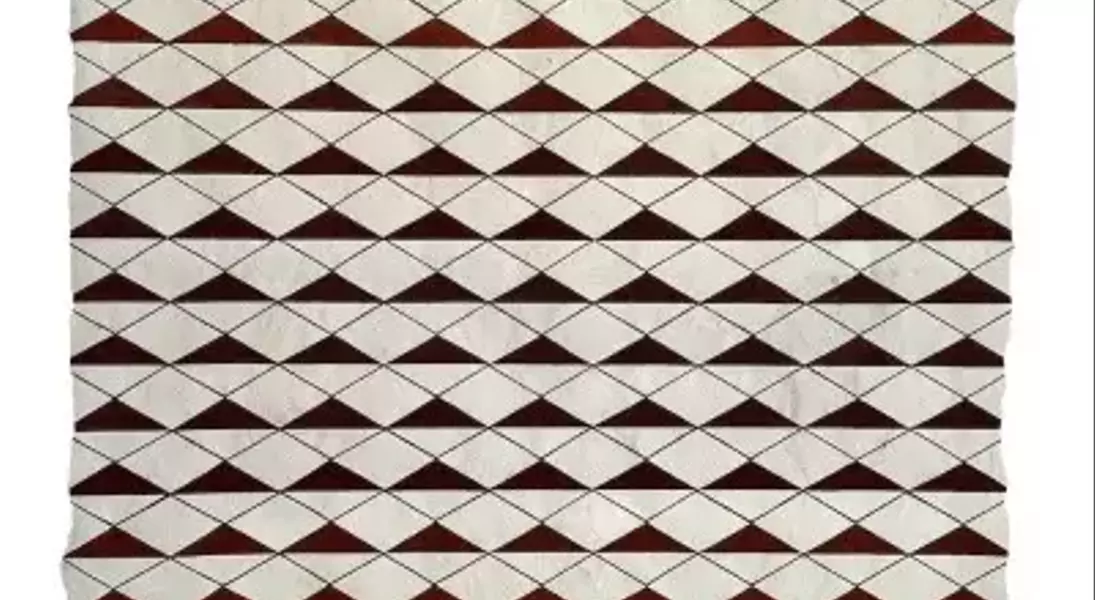
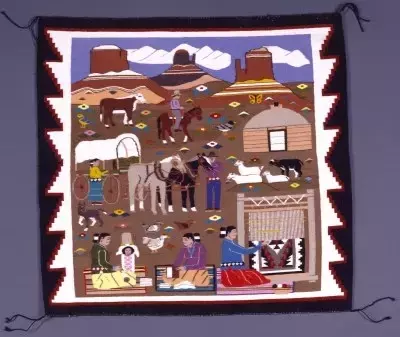
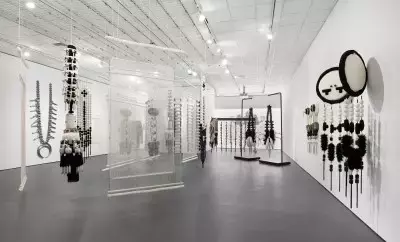
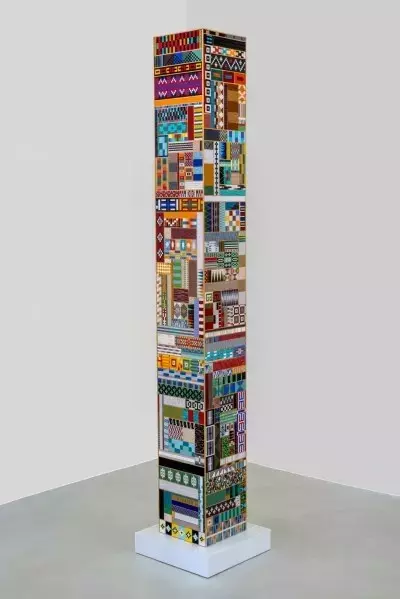
Contemporary Indigenous artists are masterfully blending traditional methods with innovative approaches, crafting art that resonates with both historical depth and modern relevance. Figures like Sydney Akagi utilize ancestral weaving techniques to create modern ceremonial pieces, while Melissa Cody reinterprets Navajo weaving through the lens of digital culture, drawing parallels between ancient patterns and video game graphics. Artists such as Bernice Akamine and Demian DinéYazhi′ use their platforms to critique colonial legacies and advocate for Indigenous sovereignty through sculptures and conceptual art, demonstrating a strong political and social consciousness. Others, like Jeffrey Gibson, bridge cultural divides by exploring themes of relationality and gender fluidity, leading to groundbreaking representations at international venues such as the Venice Biennale.
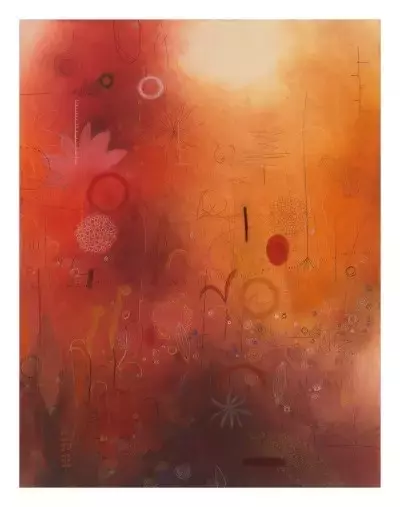
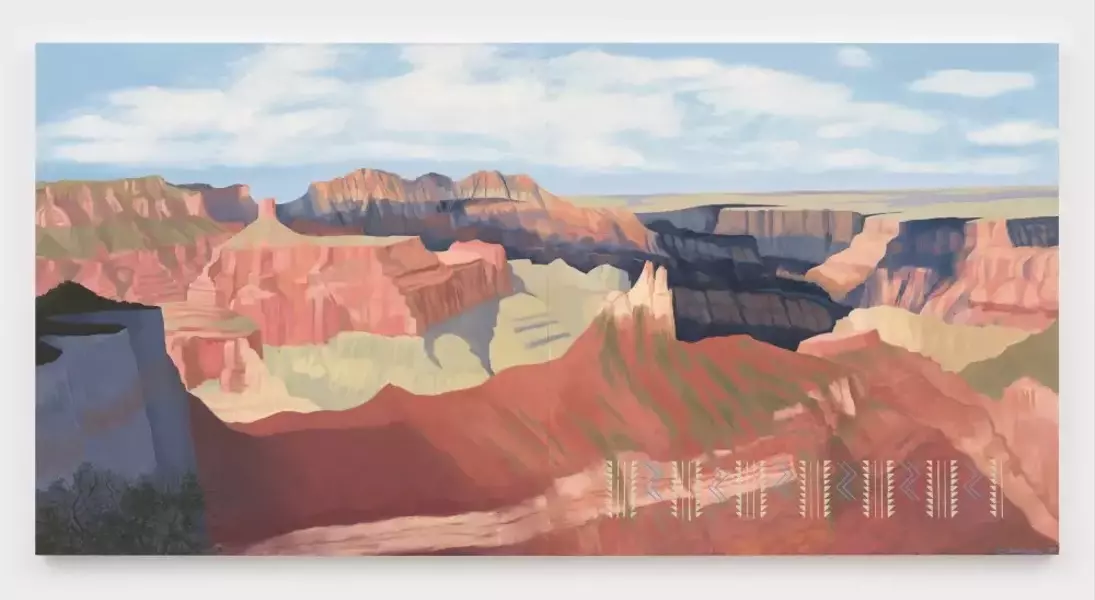
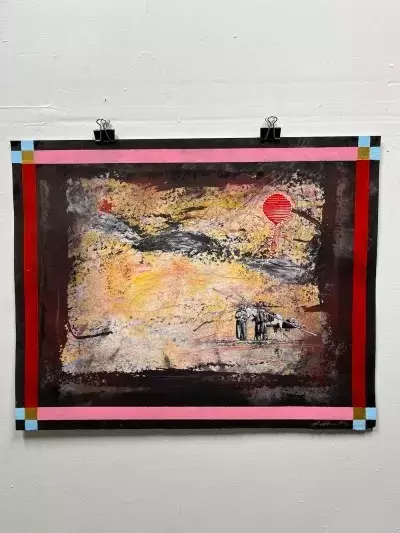
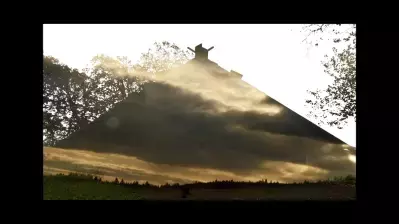
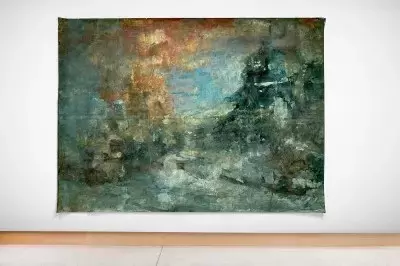
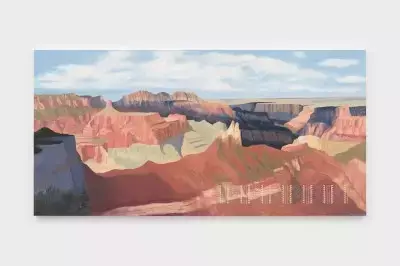
The work of these artists extends beyond aesthetic appeal; it serves as a vital medium for cultural preservation and social commentary. Sky Hopinka, for instance, focuses on language revitalization through multimodal film, making ancestral knowledge accessible to contemporary communities. Patrick Dean Hubbell critically engages with cultural appropriation by deconstructing canvases and blankets, satirizing simplistic views of Native art. Athena LaTocha's monumental landscape paintings incorporate natural elements and ancestral lands, creating powerful tributes to Indigenous histories. Lehuauakea, a self-identified māhūwahine, honors traditional Hawaiian practices while exploring mixed-Indigenous identity. These creators, alongside many others, are not just artists but cultural ambassadors, using their diverse practices to educate, inspire, and drive meaningful conversations about identity, history, and the future of Indigenous cultures in the global art sphere.
