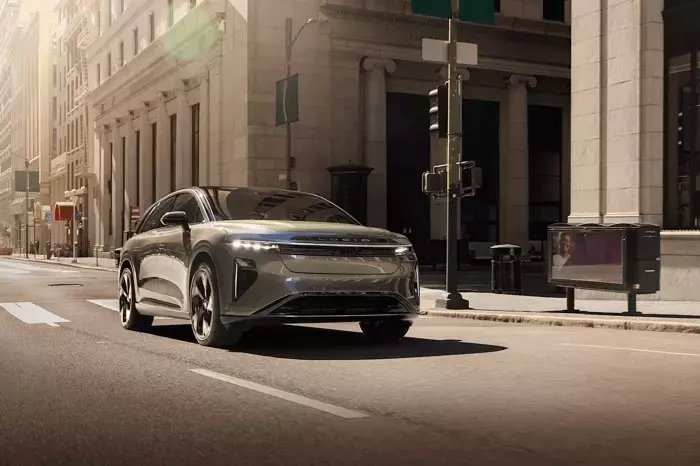
Lucid Group, initially lauded for its innovative electric vehicles, confronts a series of formidable challenges that cast a shadow over its investment appeal. The company, despite producing an award-winning sedan and achieving remarkable battery range, is grappling with substantial financial instability, a tough market environment, and significant internal leadership shifts.
The financial health of Lucid is a primary concern for investors. The company is experiencing considerable losses, reporting a non-GAAP net loss per share in recent quarters, alongside an annual loss that offers little reassurance. This situation is compounded by a significant debt burden, necessitating repeated cash injections from its main backer. Such ongoing reliance on external funding raises questions about the company's long-term self-sufficiency and its ability to achieve sustained profitability in a competitive industry.
Adding to Lucid's woes are broader industry headwinds. The electric vehicle market is facing increased tariffs, the discontinuation of federal tax credits for EVs, and an overall economic slowdown. These external pressures are likely to increase production costs and potentially reduce consumer demand, particularly for high-end vehicles like those offered by Lucid. Moreover, recent changes in top leadership, including the departure of a co-founder and a series of executive exits, create an impression of instability, making a clear strategic path forward seem less certain.
Considering these multiple challenges—financial distress, a volatile market, and leadership uncertainty—investing in Lucid Group stock at this time presents a considerable degree of risk. While the company's technological achievements are notable, the current confluence of unfavorable circumstances suggests that a cautious approach is warranted. The path to long-term success for Lucid will require not only innovation but also a robust financial strategy and stable governance to navigate the complex landscape of the automotive industry and capitalize on the growing demand for electric vehicles.
