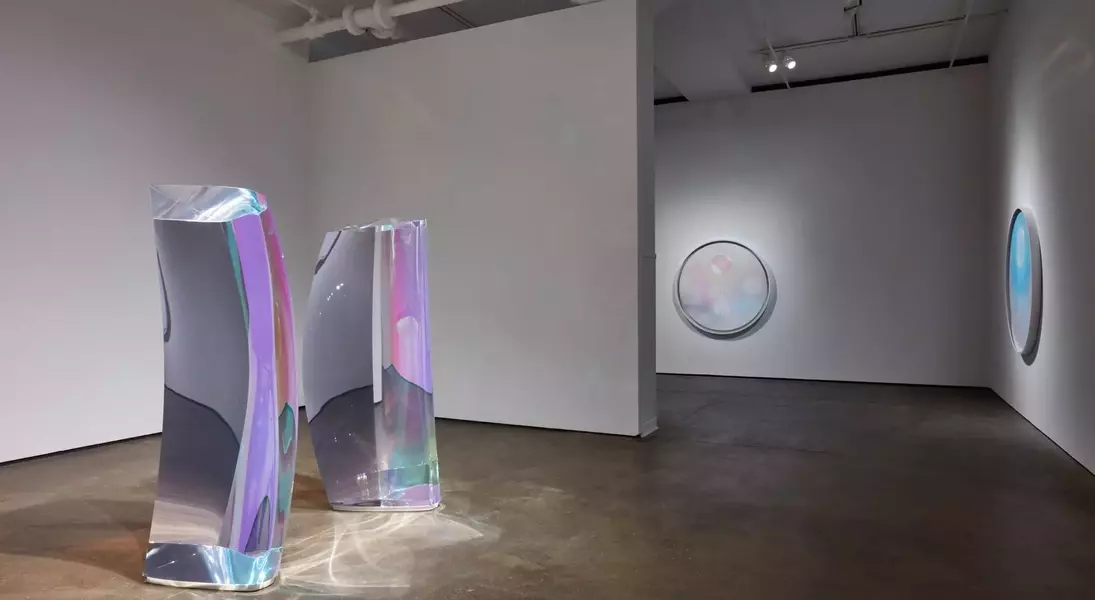
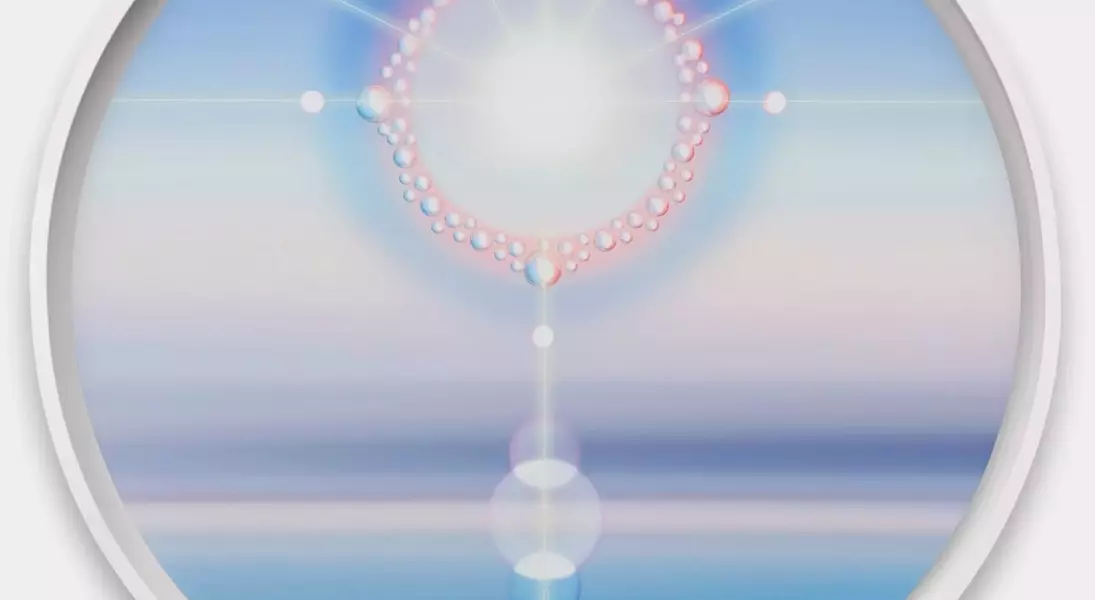
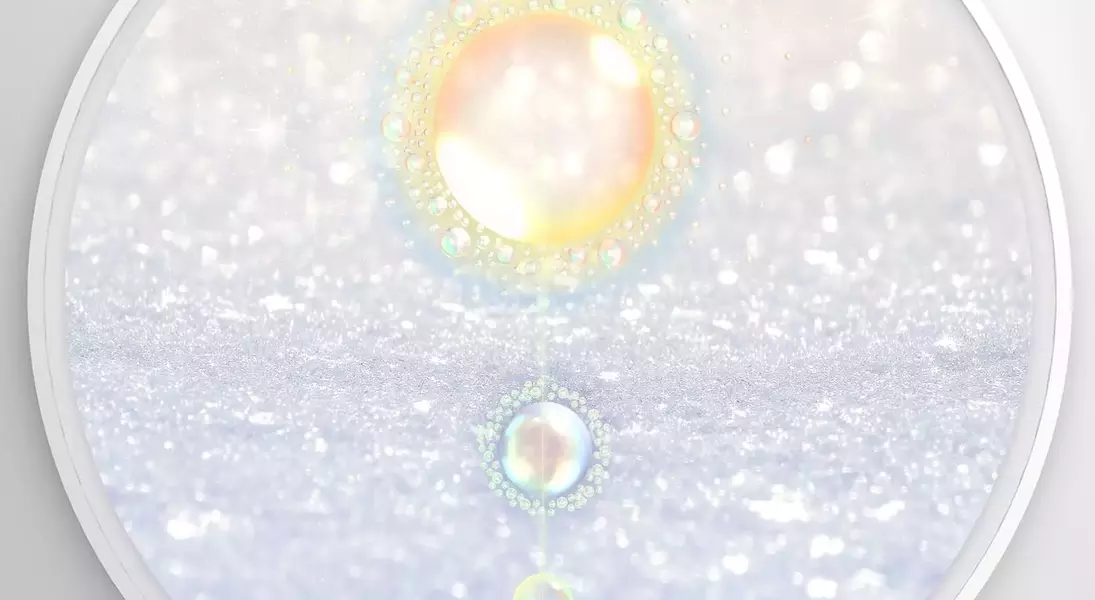
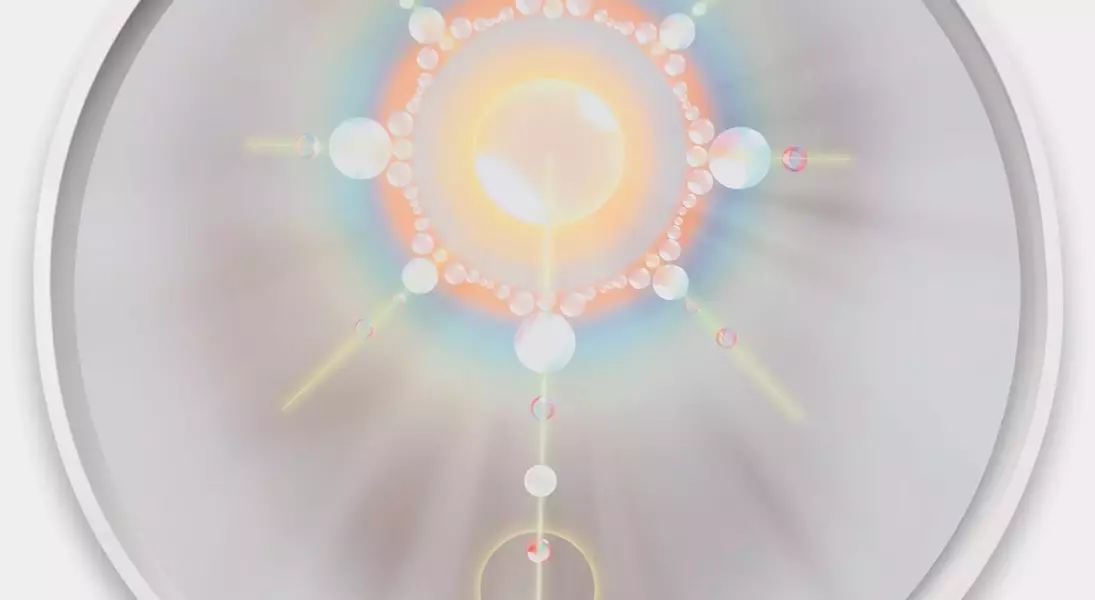
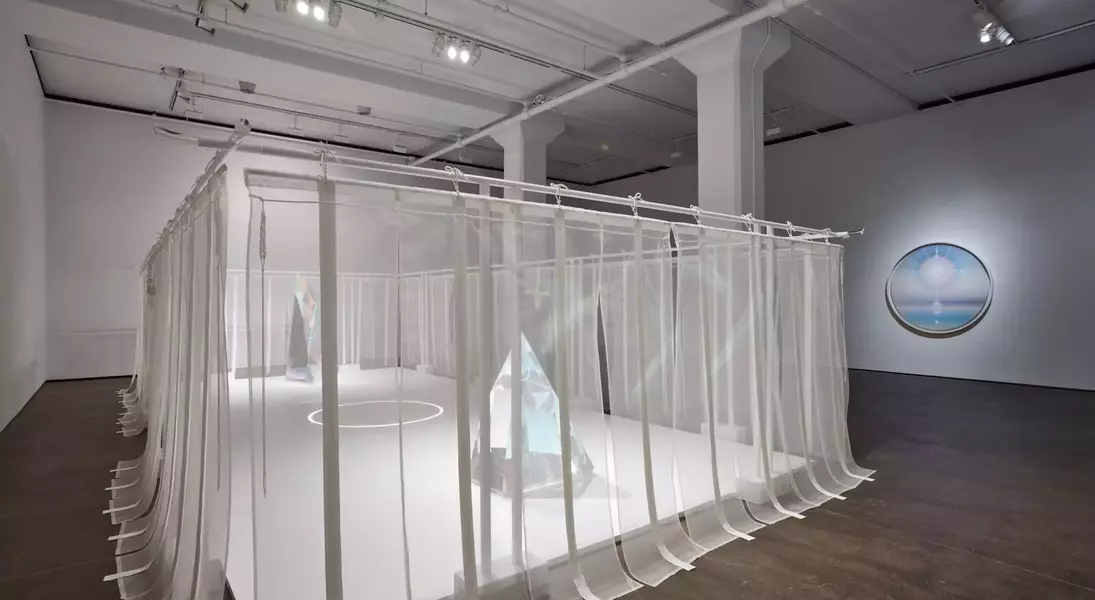
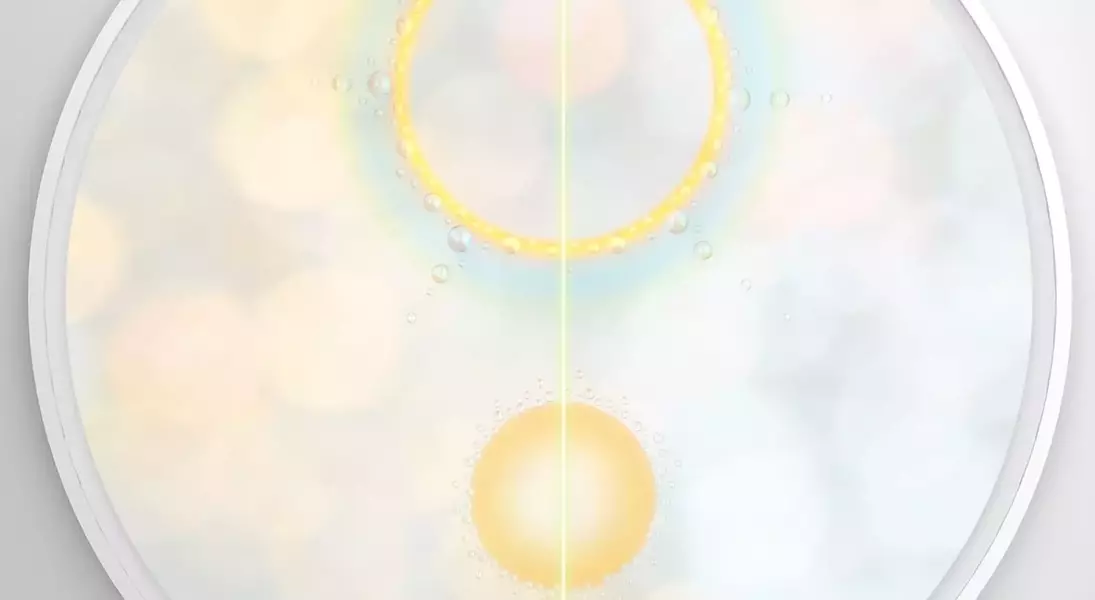
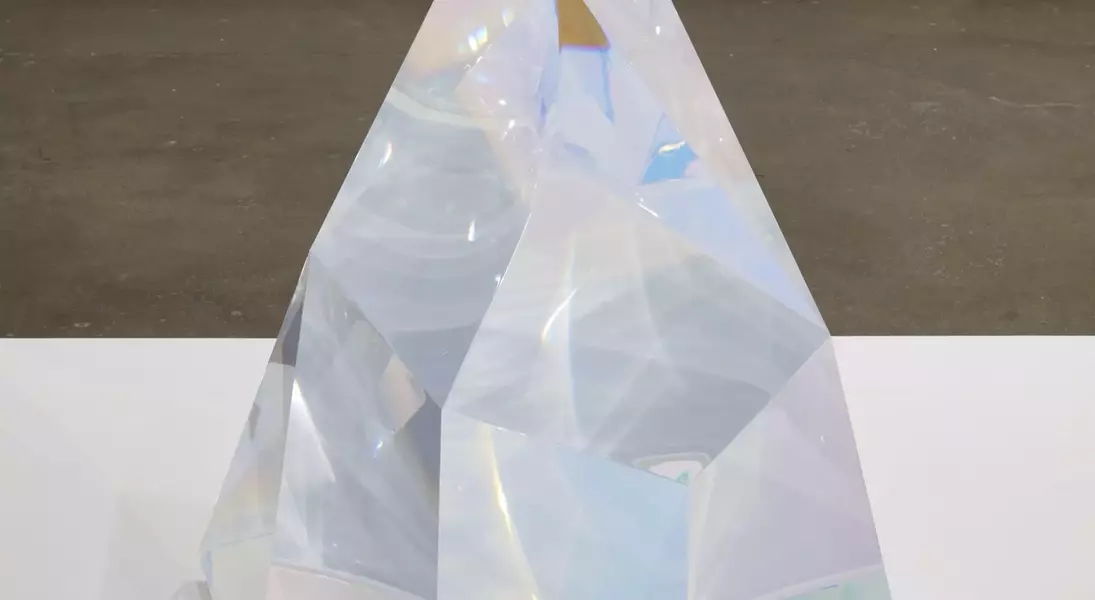
Mariko Mori's exhibition, 'Radiance,' at Sean Kelly Gallery, showcases a compelling fusion of technology, cosmic themes, and philosophical inquiry. Her art delves into the intricate relationship between humanity and the universe, rooted in the Buddhist concept of interconnectedness, where every entity is intrinsically linked. Through vibrant circular compositions and contemplative 'Stone' sculptures, Mori invites viewers to explore the metaphysical, transcending the ordinary and engaging with profound spiritual insights.
This collection offers a mesmerizing journey into Japan's ancient civilizations, particularly the Jomon, Yayoi, Kofun, and Asuka periods. Mori's meticulous research into these eras, marked by significant artistic and philosophical advancements, informs her contemporary artistic expression. Her works, including the 'Unity' series and 'Stone' series, act as bridges between past and present, tradition and innovation, offering a unique perspective on the timeless quest for understanding existence.
Mariko Mori's Exploration of Interconnectedness and Transcendence
Mariko Mori's 'Radiance' exhibition unveils a fascinating body of work that intricately weaves together themes of technology, the universe, and human perception. Her art is a deep dive into the philosophy of interconnectedness, drawing heavily from Buddhist thought, which posits that all beings, objects, and events are linked in a continuous web of existence. Through her luminous tondos and acrylic sculptures, Mori creates abstract, symmetrical forms imbued with bright pastel hues. These 'Unity' compositions are not merely aesthetic; they are profound statements on beauty, the interdependence of life, and the potential for transcendence. By blending ancient wisdom with contemporary artistic techniques, Mori constructs an immersive experience that encourages viewers to reflect on their own place within the vast cosmic tapestry.
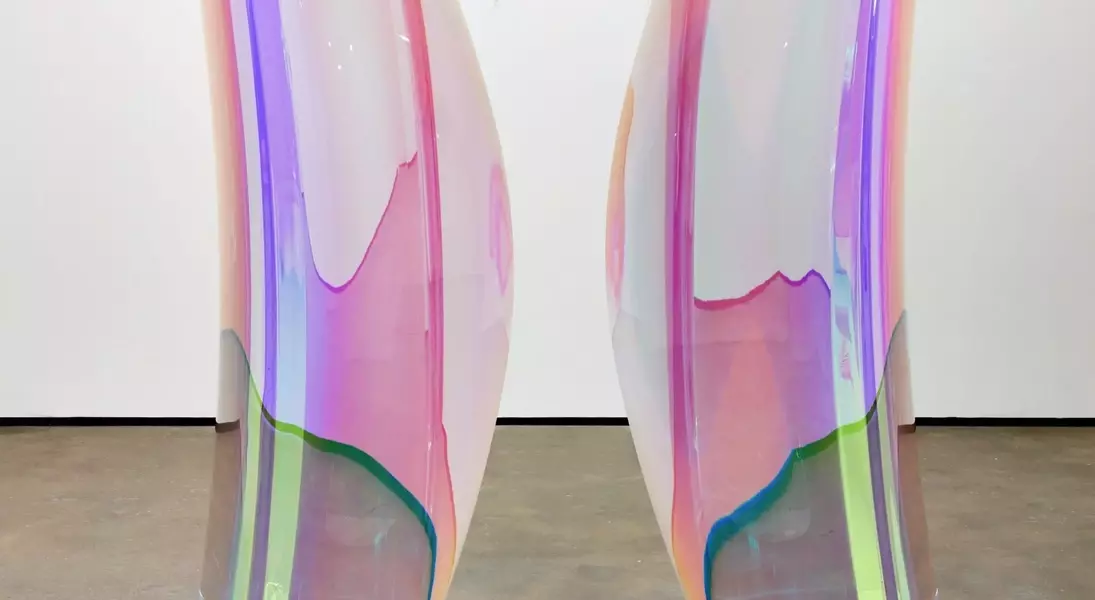
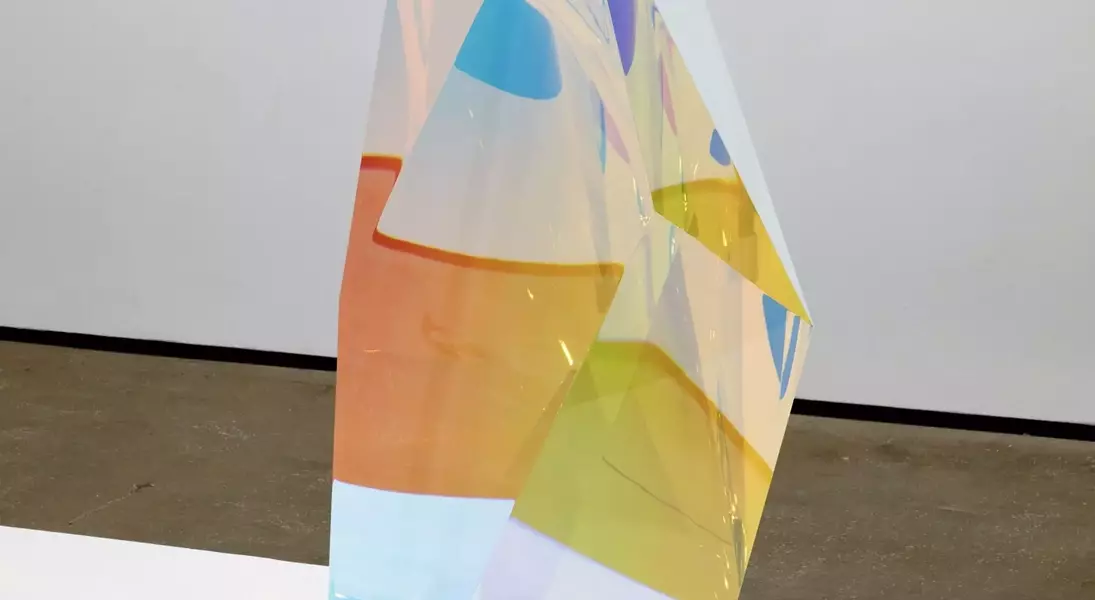
Mori's latest collection, 'Radiance,' on display at Sean Kelly Gallery, features dreamy circular artworks and glowing acrylic sculptures. Her long-standing fascination with the bond between the individual and the universe, and existence itself, is deeply embedded in these pieces. She integrates Buddhist principles of interconnectedness, highlighting that nothing exists in isolation. The 'Unity' series, characterized by its abstract, balanced designs and soft, vibrant colors, serves to emphasize harmony and a higher state of being. Furthermore, her 'Stone' series reimagines 'iwakura'—sacred rocks from ancient Japanese sites—as modern art installations. These sculptures, crafted from translucent, light-diffracting acrylic, offer visitors a meditative encounter, transforming the gallery space into a realm where invisible energies and spiritual pathways are made palpable. The exhibition serves as a powerful reminder of the enduring human quest for meaning and connection across time and space.
Ancient Japanese Heritage Reimagined Through Contemporary Art
A significant aspect of Mariko Mori's 'Radiance' exhibition is its profound engagement with Japan's rich ancient cultures. Mori meticulously researched various historical periods, including the Jomon, Yayoi, Kofun, and Asuka eras, which were pivotal for artistic, philosophical, and social development. This historical exploration is not merely academic; it forms the bedrock upon which her contemporary creations are built. Her 'Stone' series, exemplified by pieces like 'Love II,' reinterprets the concept of 'iwakura,' sacred rocks believed to house 'kami' (deities or spirits), within a modern gallery setting. By transforming these ancient spiritual symbols into solid, translucent acrylic sculptures that refract light, Mori invites contemplation on the sacred in a new light, bridging millennia of cultural and spiritual heritage with modern artistic expression.
The current body of work exhibited in 'Radiance' draws deeply from Japan's long-standing cultural traditions, specifically those from prehistoric and early historic periods. Mori undertook extensive studies of ancient eras such as the Jomon period (14,000 to 300 B.C.E.) and the Yayoi period (300 B.C.E. to 300 C.E.), as well as more recent times like the Kofun (250 to 538 C.E.) and Asuka (538 to 710 C.E.) periods. Her research included visits to hallowed geological formations across the Japanese islands, such as Okinoshima Island's renowned rocks and the shrines of Izumo and Awaji. These ancestral sites are then viewed through a contemporary artistic lens. Mori's 'Stone' series, including works like 'Love II,' reinterprets the 'iwakura' rocks for a gallery context. Fashioned from transparent acrylic, these sculptures possess dichroic surfaces that shift in color and light depending on ambient conditions and the viewer's position, creating an almost prismatic effect. This dynamic interaction reimagines the unseen energies that were once thought to reside within the stones, recalling their original role as conduits to the divine and fostering a contemplative atmosphere for those who encounter them."