The Metropolitan Museum of Art has opened its virtual doors to the world with the launch of two groundbreaking digital exhibitions. This innovative initiative allows art enthusiasts and curious minds from any corner of the globe to immerse themselves in the museum's renowned collections through virtual reality headsets or simply via a web browser. It represents a significant leap in how cultural institutions can share their treasures, making them accessible to a broader audience beyond the physical confines of the museum walls.
The Met's Pioneering Virtual Exhibitions
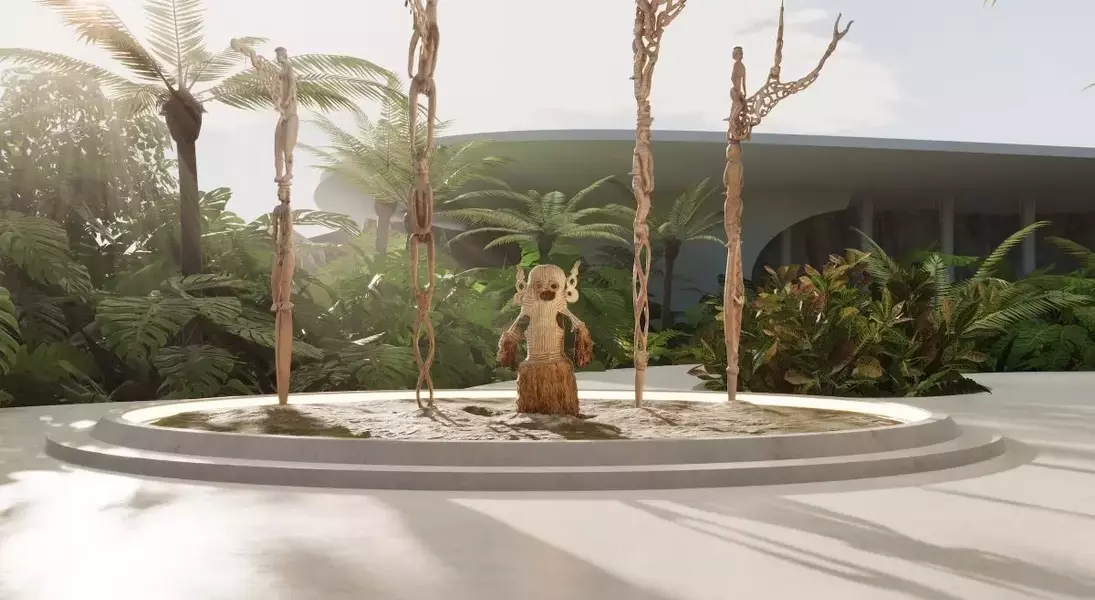
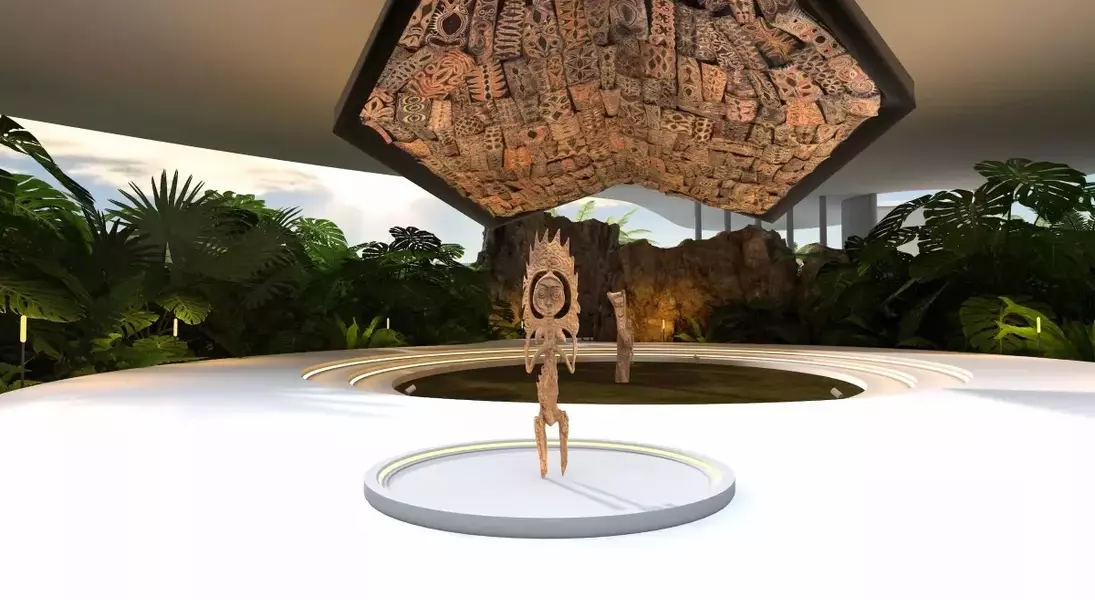
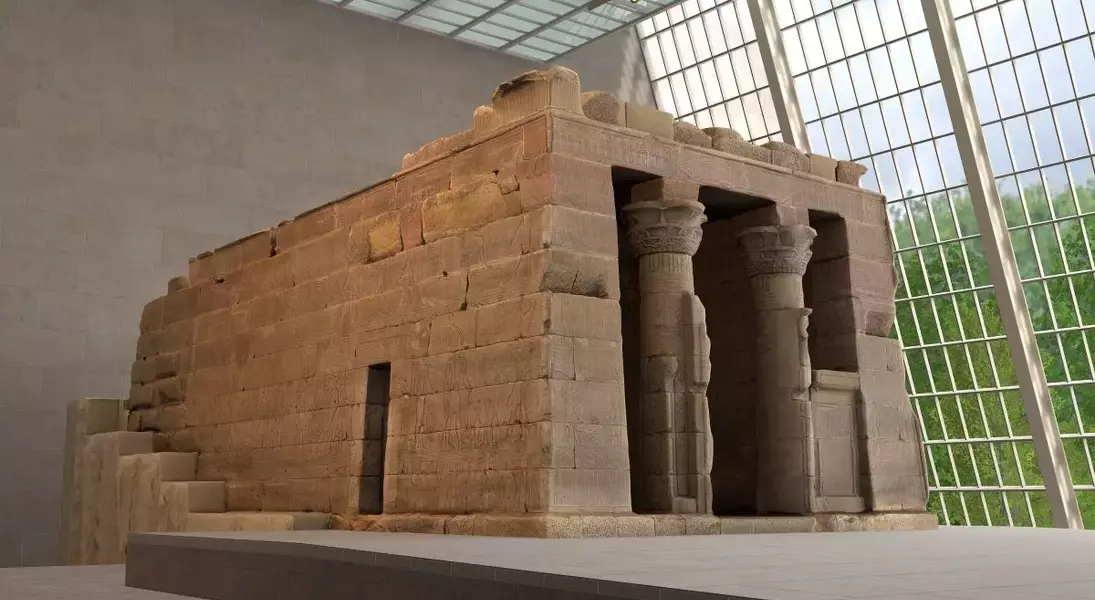
On November 10, the Metropolitan Museum of Art officially rolled out its inaugural virtual reality experiences. The museum chose two particularly captivating sections for this digital transformation: the ancient 1st-century BCE Egyptian Temple of Dendur and the vibrant collection of Oceanic artworks housed in the recently renovated Michael C. Rockefeller Wing. These digital renditions, titled "Dendur Decoded" and "Oceania: A New Horizon of Space and Time," were meticulously crafted by The Met's dedicated team in collaboration with Atopia, a cutting-edge virtual reality platform specializing in cultural content. The experiences are built upon detailed three-dimensional scans of the actual museum spaces and artifacts, offering a realistic yet artistically enhanced journey, complete with engaging, game-like tasks.
Within "Dendur Decoded," developed with insights from The Met's Curator of Egyptian Art, Isabel Stünkel, users embark on an educational odyssey through the history of the Nubian monument, which became part of the museum's collection in 1967. A particularly interactive segment draws parallels to the museum's conservation efforts in the 1970s, where the temple was painstakingly reassembled. Digital visitors are even invited to record their personal reflections on the virtual tour, adding a unique, personal dimension to the experience. The Met's press announcement highlighted the wealth of supplementary materials, including over 150 new images and videos drawn from UNESCO and the museum's extensive archives, enriching the understanding of this ancient marvel.
Meanwhile, the "Oceania" simulation, developed in partnership with The Met's Curator for Arts of Oceania, Maia Nuku, greets participants with a ethereal, floating representation of the "Female Ancestor Figure," a significant artwork dating from the 16th to 19th centuries by an anonymous Inyai-Ewa artist. Over this impressive artifact, the "Ceremonial House Ceiling" (1970–73) comes to life with a captivating slideshow and narrative, detailing the more than 270 painted bark panels that constitute this magnificent piece. Users are challenged to navigate the digital galleries, uncovering 16 artworks, sometimes subtly integrated within virtual flora, marked by an interactive 'click to discover' feature.
The Met's Emerging Technology and Digital department also collaborated with Atopia to develop a platform designed to empower other cultural institutions to create similar virtual programs independently, without requiring extensive coding knowledge. Max Hollein, The Met's Director and CEO, emphasized in a press statement that these virtual initiatives are crucial for delivering "unparalleled cultural experiences to audiences, regardless of their geographical location."
This ambitious venture by The Met not only democratizes access to art but also pioneers new methods of engagement. By integrating interactive elements and rich historical context, these virtual tours transform passive viewing into an active learning experience. It signals a future where museums can transcend their physical boundaries, fostering a deeper, more personal connection between people and priceless cultural heritage worldwide.