Meta Platforms is strategically moving to develop its own AI chips, acquiring startup Rivos to mitigate high computing expenses and decrease its dependence on Nvidia. This initiative, while ambitious, reflects a broader industry trend of large tech firms seeking to internalize core technological capabilities. The path to competing with a market leader like Nvidia is complex and time-consuming, yet could offer significant long-term benefits in cost savings and operational control.
Meta's Bold Move: Redefining AI Hardware Landscape
The AI Gold Rush and Nvidia's Reign
In the evolving landscape of artificial intelligence, data stands as the crucial resource, and the expenditure associated with computing power presents a significant hurdle to expansion. Nvidia has capitalized immensely on the increasing demand for data center processing. The company, a prominent designer of computer chips, has ascended to become the world's leading corporation by market valuation, reporting a substantial revenue increase in its latest quarter.
Meta's Strategic Shift: From Customer to Competitor
Major operators of data centers, such as Meta Platforms, annually invest tens of billions in Nvidia's processors to power and refine their AI systems. To alleviate these considerable expenses, Meta recently acquired Rivos, an AI semiconductor startup. This acquisition raises questions about whether a key client of Nvidia has instantaneously transformed into a direct competitor, a scenario that is more intricate than it initially appears.
Driving Down Costs with Bespoke Chip Solutions
With projected capital expenditures running into tens of billions for the current year and an even larger sum anticipated for the following year, Meta is dedicating substantial capital to satisfy its immense demand for Nvidia's processors, essential for training and operating its AI infrastructures. Meta had previously engaged with Rivos on the development of processors utilizing the RISC-V architecture, an open-source platform for chip design. Following its acquisition, Rivos will now concentrate on crafting AI chips for Meta's internal requirements.
Potential Impact on Nvidia's Market Position
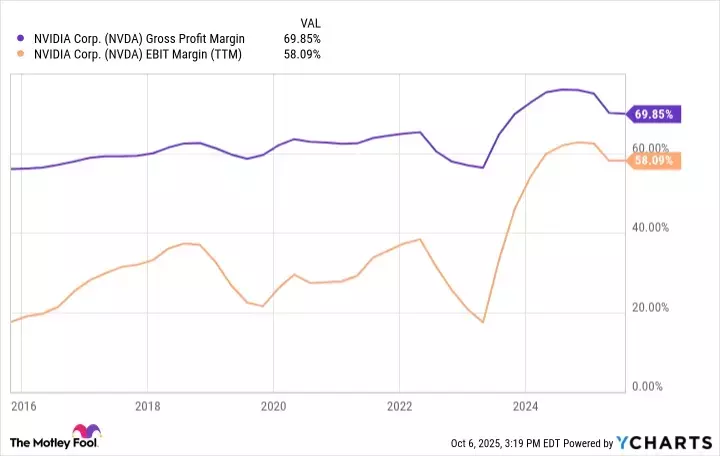
This development could potentially challenge Nvidia's leading market position. It might not only lead to a reduction in sales volume for Nvidia but also erode its sustained ability to dictate prices, which has contributed to its impressive gross profit margins and earnings before interest and taxes. Nvidia's pricing power is a key factor behind its status as the world's most valuable company. A shift in this dynamic could have adverse effects on its investors.
Nvidia's Resilience in the Face of New Competition
For investors holding Nvidia shares, it is prudent to monitor the increasing attempts by its clients to develop their own AI processors, aiming to lessen Nvidia's dominant hold on the AI data center sector. Conversely, Meta's shareholders should closely track the company's advancements in designing and manufacturing its own computer chips, as this could lead to substantial long-term cost efficiencies for the enterprise.
The Long Road to Disruption in Chip Manufacturing
Despite these developments, Nvidia's market position is not expected to be overturned rapidly. The process of designing and verifying a new chip can extend beyond a year, followed by a waiting period for manufacturing slots at foundries. Furthermore, initial versions from new chip designers typically lag behind the sophisticated offerings of established industry players by several years. Nvidia is unlikely to remain passive as competition intensifies.
Alphabet's Proactive Approach to In-House Chip Development
Meta's decision to embark on its own chip design journey is a shrewd one, given the substantial and persistent costs associated with Nvidia's technology. Even if this endeavor requires years and billions in investment, the potential for annual savings of tens of billions through vertically integrated chip design makes it a worthwhile pursuit.
A Precedent for Internal Innovation: Alphabet's Tensor Processing Units
A notable example of a company that foresaw this necessity is Alphabet. The conglomerate, which owns Google and YouTube, began deploying its tensor processing units (TPUs) in early 2015 and has progressively expanded their use in its data centers. This case stands out as one of the few instances where an Nvidia client has successfully developed computer chips that rival Nvidia's in terms of cost-effectiveness. Consequently, Alphabet now enjoys a competitive advantage due to its TPUs, setting it apart from other AI stakeholders.
Enduring Relationship: Nvidia and its Key Customers
Despite its internal chip development, Alphabet continues to be a significant customer of Nvidia a decade later. Using the TPU as an example, it is highly improbable that Meta's acquisition of Rivos will completely undermine Nvidia's operations. Therefore, this development should not be a sole reason to divest from Nvidia stock.
