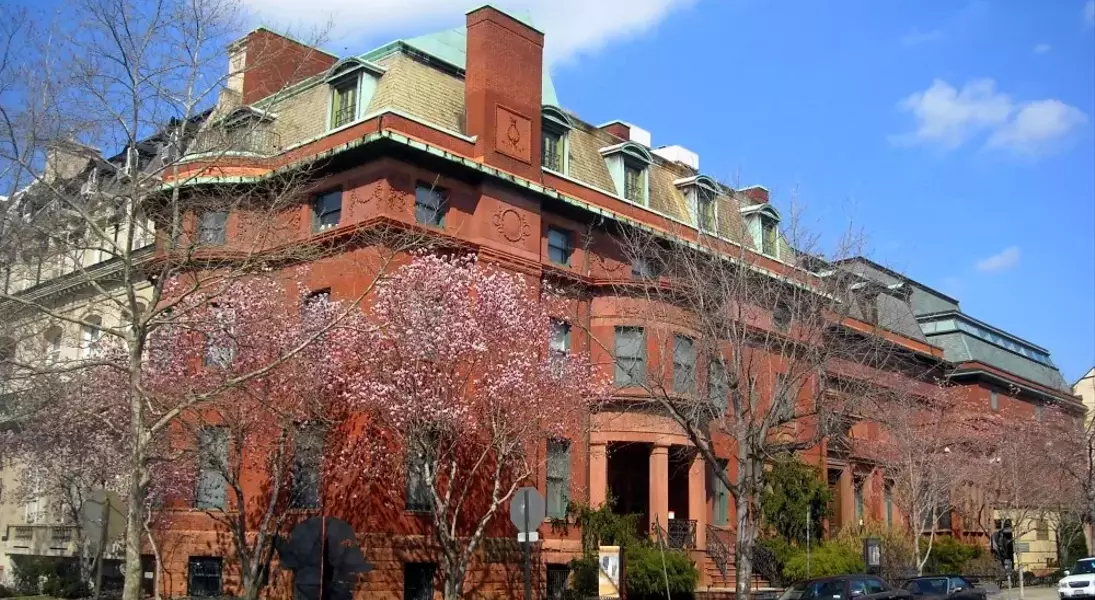
The Phillips Collection is proceeding with its decision to auction significant artworks by Georgia O’Keeffe, Arthur Dove, and Georges Seurat, a move that has sparked considerable controversy among art community stakeholders.
The museum's leadership, under Director and CEO Jonathan Binstock, contends that the proceeds from these sales will establish an endowment dedicated to commissioning new works by living artists, aligning with founder Duncan Phillips's original vision of supporting contemporary art. However, this strategy has been met with fierce criticism from former curators and descendants of the Phillips family, who argue that selling these integral pieces—some considered foundational to the collection—betrays public trust and risks dispersing artworks that were meticulously assembled by Duncan and Marjorie Phillips. The impending sales, which include O'Keeffe's Large Dark Red Leaves on White and Seurat's conté crayon drawing, are set to take place at Sotheby's, prompting concerns that these publicly significant works could transition into private ownership.
This debate at the Phillips Collection mirrors a broader national discussion within the art world regarding deaccessioning practices, which have become more prevalent as institutions face financial pressures and evolving priorities. While some museums, like the Whitney and MoMA, have deaccessioned works to diversify collections or strengthen endowments—often adhering to professional guidelines—critics of the Phillips's plan fear the loss of masterworks deeply cherished by the founder. The museum maintains that evolving its collection is essential for engaging contemporary audiences and ensuring its relevance, although some supporters question whether alternative fundraising efforts were thoroughly explored before resorting to selling off these significant pieces of its heritage.
The Phillips Collection's decision to sell iconic works by celebrated artists marks a pivotal moment, highlighting the tension between preserving historical legacies and embracing future artistic endeavors. This bold step, while controversial, underscores a commitment to fostering new creative expressions and ensuring the museum's vitality in an ever-changing cultural landscape. It challenges institutions to thoughtfully balance their rich past with dynamic future possibilities, ultimately aiming to enrich the artistic experience for generations to come.