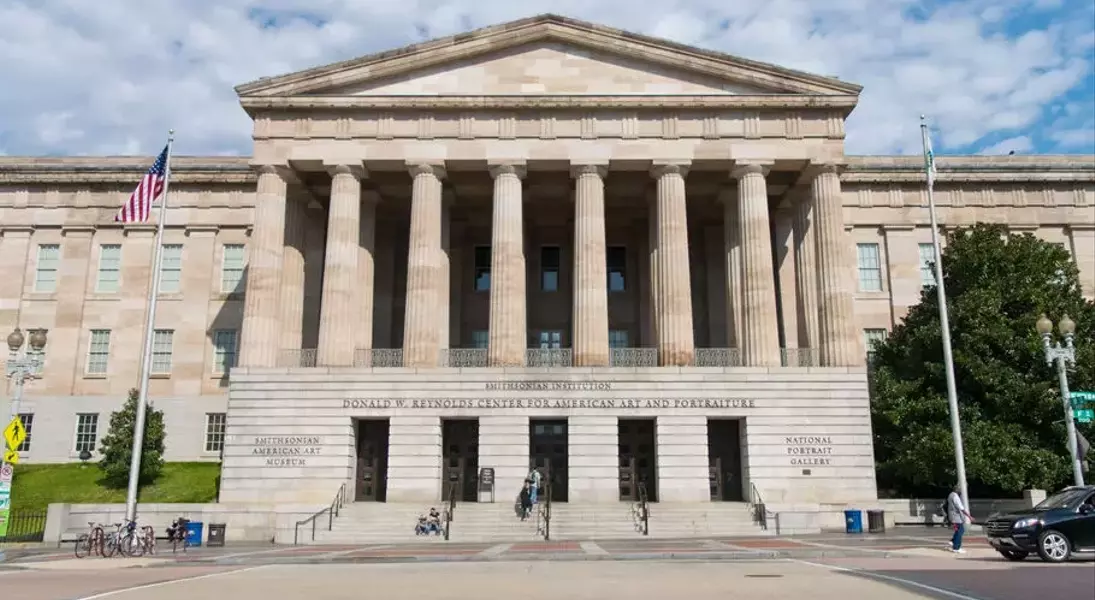
After a 43-day hiatus due to a federal government shutdown, the renowned cultural institutions of Washington D.C., including the Smithsonian museums and the National Gallery of Art, are once again welcoming visitors. This prolonged closure, the longest in U.S. history, deeply impacted public access to arts and culture, stemming from a contentious dispute over federal spending in Congress. The agreement reached on Wednesday, November 12th, and the subsequent presidential signing of the funding bill, initiated the staggered reopening process. The shutdown not only disrupted federal services nationwide and air travel but also resulted in substantial financial setbacks for the cultural sector and surrounding businesses, highlighting the profound economic and social consequences of such prolonged government inactivity.
The Smithsonian Institution commenced its phased reopening on Friday, beginning with popular attractions like the National Museum of American History, the National Air and Space Museum, and the Steven F. Udvar-Hazy Center. This initial phase was followed by the reopening of the National Museum of African American History and Culture, the National Museum of African Art, the National Museum of Asian Art, and the National Zoo on Saturday. All remaining Smithsonian museums and public facilities are expected to resume operations progressively throughout the weekend, with full access anticipated by Monday, November 17th.
Similarly, the National Gallery of Art has also started to welcome back its patrons. Its West Building galleries and the adjoining sculpture garden reopened on Friday, providing immediate access to some of its vast collections. The East Building is scheduled to reopen its doors on Saturday. Notably, the exhibition “The Stars We Do Not See: Australian Indigenous Art,” which was originally slated for an October launch but postponed due to the shutdown, officially debuted on Saturday, much to the anticipation of art enthusiasts.
Past government shutdowns have consistently demonstrated the significant financial strain they impose. A comprehensive analysis from 2019 by the American Alliance of Museums revealed that such closures can lead to billions of dollars in losses. These losses are attributed to closed galleries, canceled programs, and a sharp decline in tourism, which adversely affects local businesses and economies dependent on these cultural attractions. The recent shutdown underscores the vulnerability of cultural institutions to political gridlock and the broader economic ripple effects.
Beyond the Smithsonian and the National Gallery, other key federally operated cultural and educational sites are also in the process of restoring public services. This includes the Library of Congress, which houses an immense collection of books and historical documents, the U.S. Botanic Garden, a living plant museum, and the National Archives, the repository of the nation's most important documents. The coordinated reopening of these institutions signifies a return to normalcy and a recommitment to public engagement with American heritage and culture.
The reopening of these significant cultural landmarks marks a crucial step in revitalizing Washington D.C.'s cultural landscape after an extended period of inactivity. It signals a return for both locals and tourists to engage with the rich history and artistic achievements housed within these institutions, fostering a sense of community and intellectual enrichment that was temporarily suspended.