After a transformative five-year redevelopment, the Princeton University Art Museum has proudly reopened its doors, revealing a significantly expanded facility designed to house its vast collection of over 117,000 artworks and historical artifacts. The museum's long-serving director, James Steward, expressed deep emotion at the grand unveiling, emphasizing the rarity of such a large-scale institutional transformation. This ambitious project, initiated in 2012, has not only doubled the museum's physical footprint but also quadrupled its exhibition areas, promising an enriched cultural experience for the university community and the wider public.
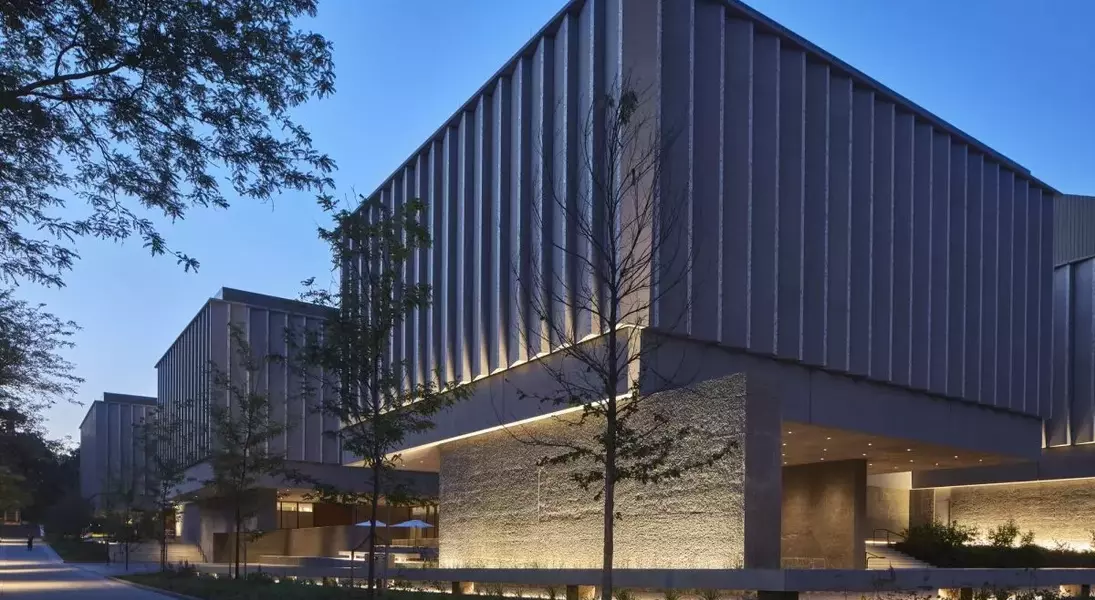
The newly constructed edifice, completed with the collaborative efforts of Cooper Robertson architects following the departure of its original designer, David Adjaye, is a striking example of Brutalist architecture. Crafted from sand-blasted stone, bronze, and recycled wood, it harmoniously blends with Princeton's traditional Gothic surroundings. Upon entry, visitors are greeted by an array of newly commissioned sculptural pieces, including a prominent mosaic by Nick Cave situated near the main entrance, setting a contemporary tone for the exploration within.
Inside, the museum defies its substantial size by offering an intimate journey through its diverse holdings. A grand staircase leads to the second floor, where an impressive ninety percent of the collection is thoughtfully displayed across nine interconnected pavilions. This unique layout fosters a 'circular flow,' inviting unexpected juxtapositions and discoveries, such as the thematic links between Nick Cave's soundsuits, a Samurai warrior's attire, and a West African shield, all symbolizing forms of self-protection.
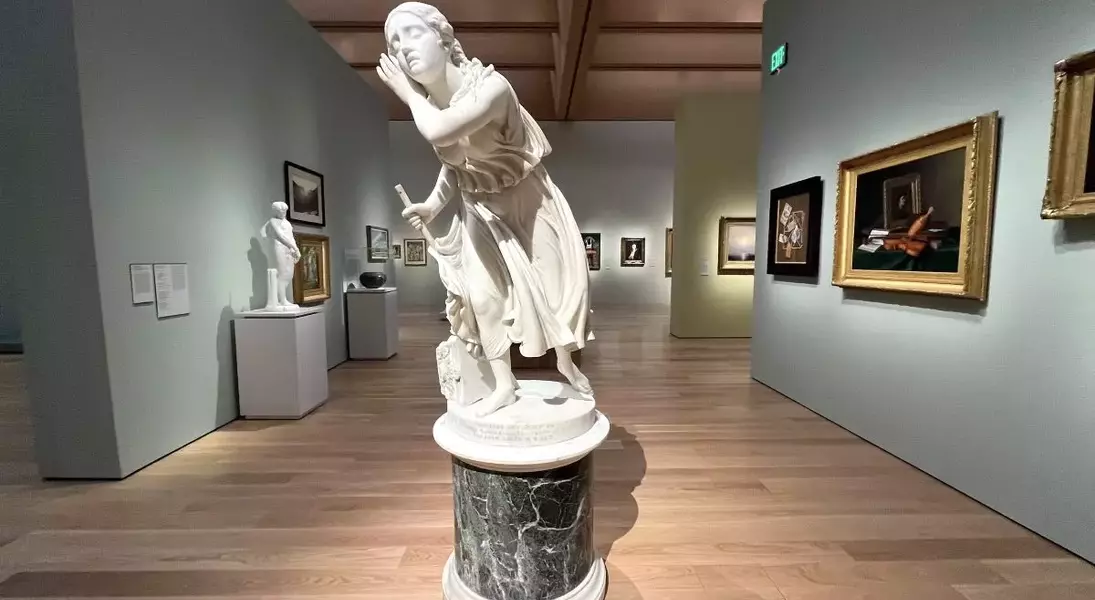
Among the highlights are Princeton's extensive European collection, featuring a Monet 'Water Lilies' painting accessible for close inspection without the usual crowds found in larger institutions. The modern and contemporary sections boast significant pieces like Andy Warhol's 'Blue Marilyn' from 1962, illustrating his early artistic fascinations. The American wing offers a thought-provoking display, intertwining 18th and 19th-century portraits with contemporary art that critically engages with America's historical narratives of slavery and colonialism.
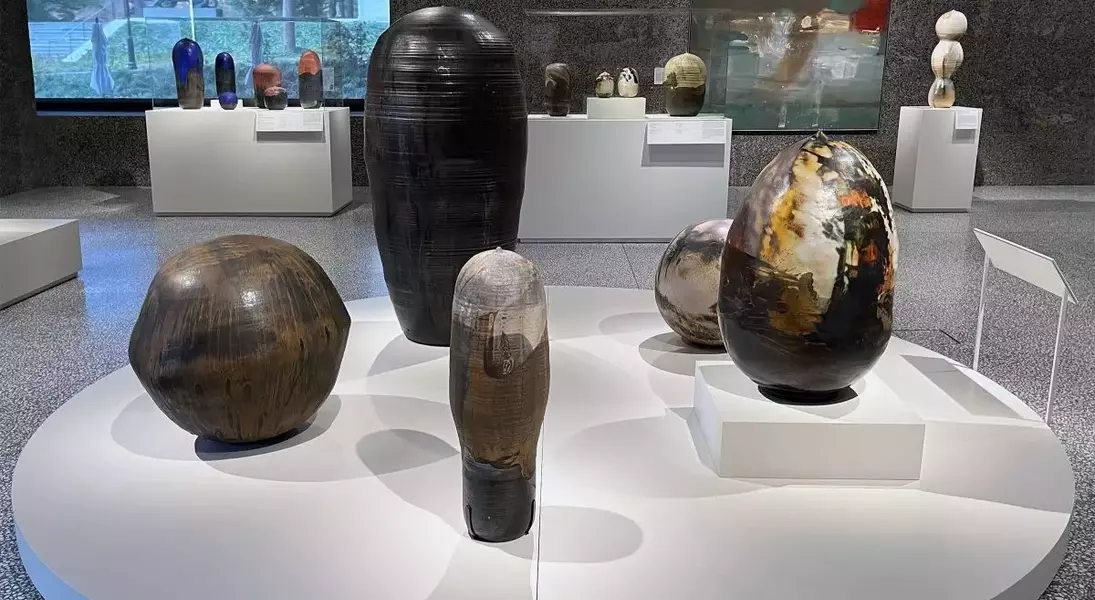
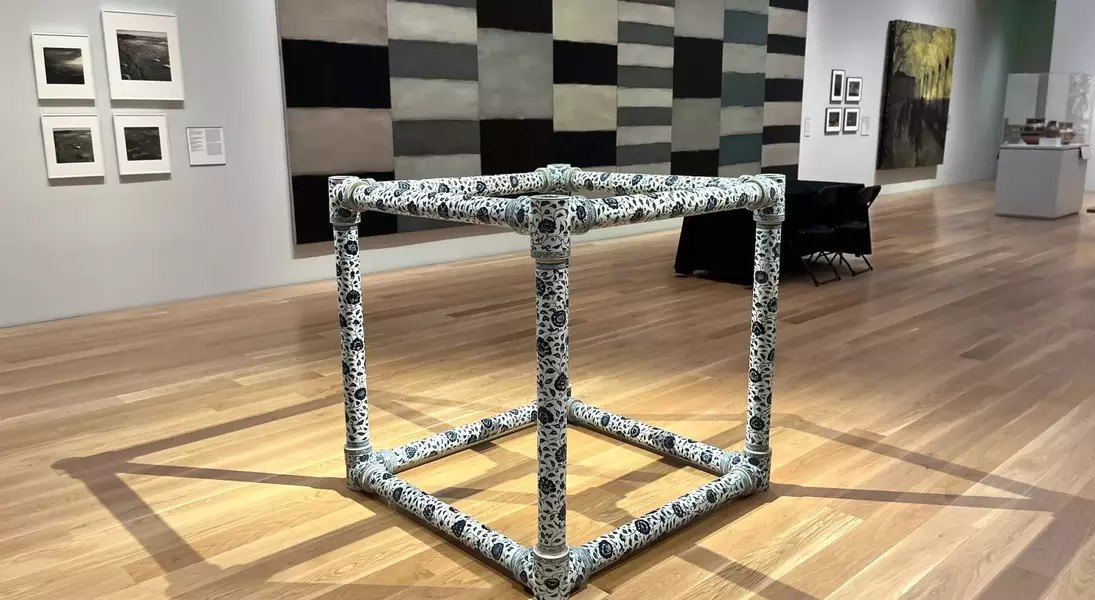
Further enriching the museum's offerings are two dedicated galleries showcasing over 2,000 works generously donated by Princeton alumni since 2021. This includes a monumental painting by Sean Scully, a distinctive porcelain cube by Ai Weiwei, and Becky Suss's evocative 'August, 2016.' The ceramics collection particularly stands out, with Roberto Lugo's compelling 'The Man Who Carried the Ice Box on his Back up the Mountain: Alberto Ayala' (2023) offering a poignant commentary on his personal history in Puerto Rico and Philadelphia. Additionally, a nine-month exhibition celebrates the stoneware sculptures of Toshiko Takaezu, a former Princeton visual arts professor, with discussions led by her former students and colleagues throughout the autumn.
The museum's innovative design ensures that visitors can never truly get lost, but instead are encouraged to become 'productively lost,' embarking on unforeseen intellectual and aesthetic journeys. This philosophy underpins the entire experience, transforming a visit into an adventure of discovery and connection across diverse artistic traditions and contemporary expressions.