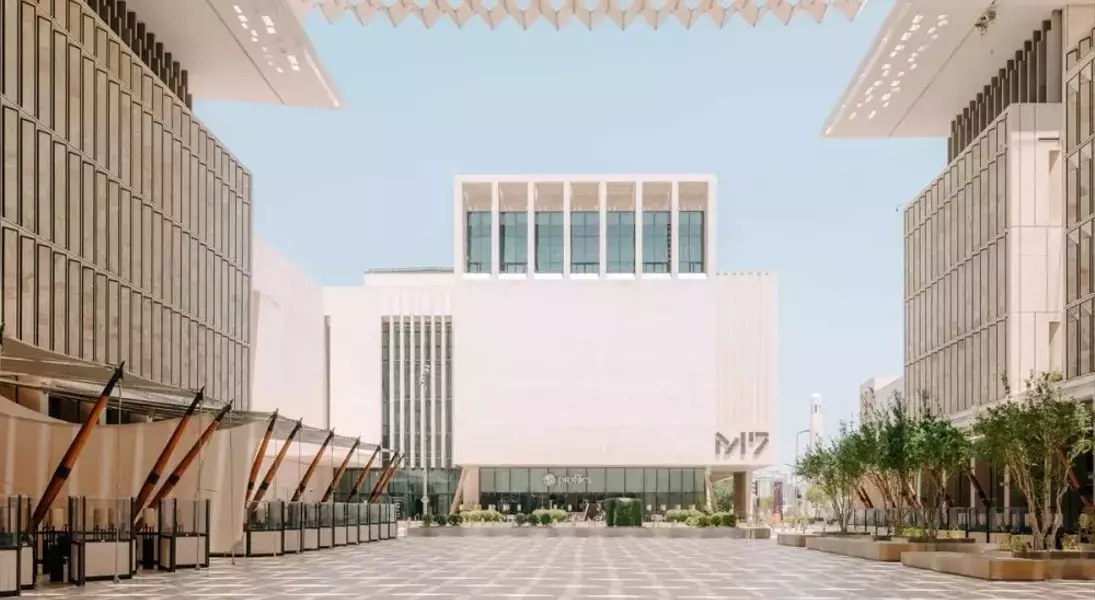
Qatar is establishing itself as a prominent global force in the art world through significant investments in cultural infrastructure. The nation is developing a vast museum dedicated to international modern and contemporary art and is preparing to host its own Art Basel fair. A key part of this strategy is the creation of the largest fine art storage and logistics center in the Gulf region, designed to provide comprehensive services for art preservation and trade. This endeavor highlights Qatar's commitment to fostering a mature and dynamic art ecosystem.
This initiative is not an isolated development but part of a broader trend of cultural expansion in the region, signaling a shift from an emerging market to a global contender. The new art storage facility, strategically located in a free zone near a major international airport, will streamline the movement and safeguarding of valuable artworks, enhancing Qatar's appeal as an art market destination. These strategic moves are expected to significantly boost the region's creative economy and cement its status on the international art stage.
Expanding Art Infrastructure in Qatar
Qatar is making significant strides in solidifying its position as a global art market hub with the announcement of an ambitious plan for a comprehensive modern and contemporary art museum and the introduction of Art Basel Qatar. In a strategic move, QC+, a partner in presenting the upcoming Art Basel Qatar, has collaborated with Gulf Warehousing Company Q.P.S.C (GWC) to establish the largest full-service fine art storage and logistics facility in the Gulf. This state-of-the-art facility will offer essential services such as art preservation, secure storage, professional conservation, and private viewing rooms, catering to the growing demands of the international art community. This development is poised to transform Qatar into a central location for art transactions and cultural exchange, reflecting a profound commitment to developing a robust art market within the region.
The establishment of this advanced art logistics center signifies Qatar's intention to elevate its role in the global art scene beyond merely hosting exhibitions. The facility's strategic placement near Hamad International Airport, within a designated free zone, allows for the storage and trade of artworks outside traditional customs jurisdictions, mirroring similar advantageous setups in major art hubs worldwide like Geneva and Singapore. This infrastructure is vital for attracting high-value art transactions and facilitating the safe transit and long-term care of precious artworks. The collaboration between QC+ and GWC, alongside the introduction of Art Basel Qatar, underscores a deliberate effort to create a mature art market that can compete on an international scale, providing a complete ecosystem for art collectors, institutions, and artists across the wider Gulf region and beyond.
The Gulf's Emergence as a Global Art Player
The Gulf region is rapidly transforming its status within the international art market, moving beyond its categorization as an emerging market to assert itself as a significant global player. This shift is exemplified by Qatar's proactive initiatives, including the upcoming Art Basel fair and the development of the Gulf's largest full-service fine art storage and logistics hub. According to Kirstin Mearns, CEO of QC+, these developments are direct indicators of a maturing art market, suggesting that the region is not just participating but is actively shaping the future of the global art landscape. This sentiment is reinforced by Matthew Kearns, acting group CEO of GWC, who views the project as a new standard for integrated art infrastructure and creative economic growth, highlighting the profound impact these initiatives will have on the region’s cultural and economic trajectory.
The growth of sophisticated art storage facilities is often a clear sign of a burgeoning art market, as seen with South Korea’s recent plans following the launch of Frieze Seoul. Qatar’s new Doha facility is designed to serve the entire Gulf region, addressing a critical need for large-scale, specialized art storage and logistics that was previously unmet. Discussions are also underway in other regional centers, such as Dubai, which is exploring the possibility of establishing its own freeport. Furthermore, the Saudi gallery ATHR has already inaugurated a high-specification art storage depot in partnership with the German logistics firm Hasenkamp, underscoring a broader regional trend. These concerted efforts across the Gulf signify a collective ambition to build resilient art infrastructure, foster a dynamic creative economy, and firmly embed the region as an indispensable component of the global art ecosystem.