This article explores the recent Shanghai Art Week, encompassing the West Bund Art and Design fair and Art021. It delves into the unexpected commercial success of these events amidst a cautious economic outlook and evolving market dynamics. The report highlights how galleries adapted their strategies, the strong performance of established players, and the emergence of new, creative exhibition models that are reshaping the local art landscape.
Shanghai's Art Scene Thrives: A Testament to Resilience and Innovation
Shanghai's Art Fairs: A Surprising Surge of Commercial Activity Amidst Economic Caution
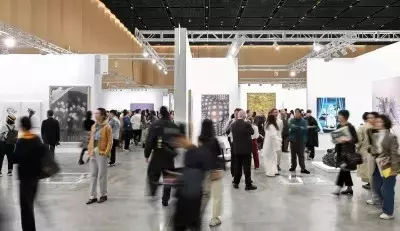
Shanghai's premier art events, the West Bund Art and Design fair and Art021, kicked off recently, showcasing an unexpected surge in commercial vibrancy. Numerous galleries reported robust sales figures on the opening day, a striking contrast to the prevailing atmosphere of economic prudence and intensifying regional competition. This initial commercial success defied predictions of a subdued year, offering a glimmer of optimism in the art market.
Optimism Meets Economic Reality: Navigating a Shifting Art Landscape
Enrico Polato, the founder of Capsule Gallery in Shanghai, expressed this sentiment, noting a distinct year-end revitalization. He highlighted the positive engagement with new collectors who demonstrated a genuine interest in the gallery's offerings. However, this newfound optimism was tempered by a somber economic forecast for China and a discernible shift in the global gallery ecosystem. The shadow of an economic slowdown loomed, with a former finance minister warning of an ongoing property slump impacting growth.
Strategic Adaptations: Major Galleries Respond to Market Changes
The prevailing economic uncertainty, coupled with the scheduling overlap with Art Collaboration Kyoto, influenced how major international galleries approached Shanghai's art week. Prominent names like Gagosian and Pace, traditionally consistent participants, chose to abstain this year, with Pace's decision following its announcement to close its Hong Kong space. Other significant galleries, such as Almine Rech, White Cube, and David Zwirner, scaled down their involvement, opting to participate in only one of the two major fairs rather than both, a common practice in previous years.
A New Venue, A Renewed Vigor: West Bund's Enhanced Fair Experience
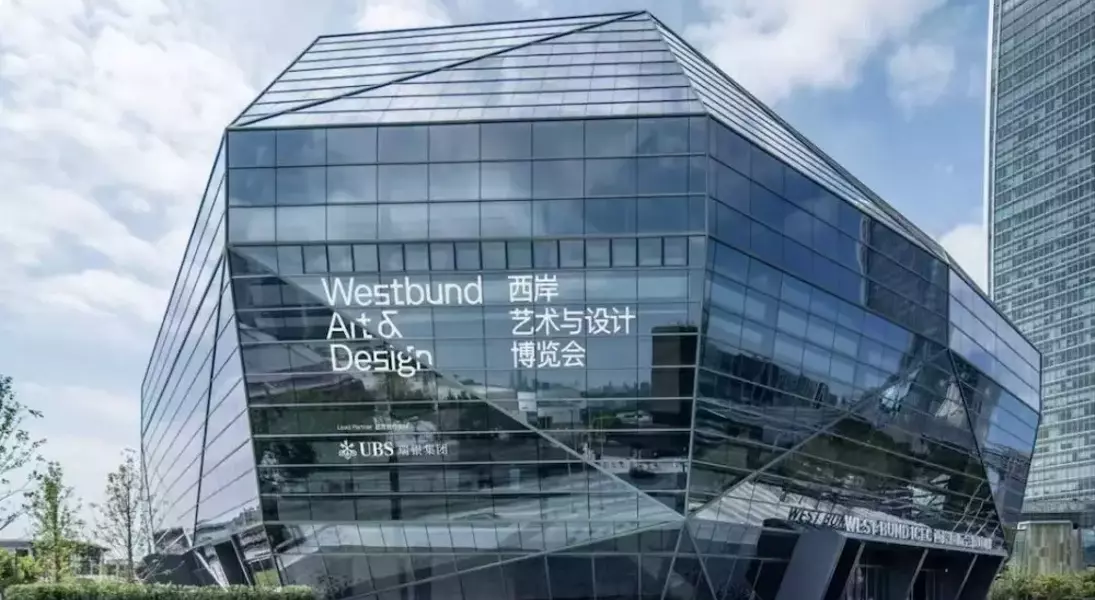
Despite these strategic adjustments, a palpable energy permeated the fairs, particularly at West Bund, which debuted its new main exhibition hall. Moving from a former industrial site, the fair relocated to a sophisticated, modern convention center designed by Skidmore, Owings & Merrill. Many attendees drew comparisons to the esteemed Art Basel Hong Kong venue, praising the improved layout and overall visitor experience. Wendy Xu, managing director of White Cube Asia, lauded the new venue for enhancing the fair experience with its coherent and comfortable design, benefiting both exhibitors and collectors.
Evolving Collector Trends: Beyond Investment to Genuine Appreciation
While the era of multi-million dollar artworks being snapped up within hours might be a thing of the past, a notable shift in collector behavior was evident. Many Chinese collectors expressed a preference for acquiring art based on personal affinity rather than purely for investment. This sentiment aligns with recent studies indicating that affluent Chinese consumers prioritize cultural heritage over overt displays of luxury. Nevertheless, substantial sales were still recorded, with galleries like Thaddaeus Ropac, Hauser & Wirth, and White Cube reporting significant transactions across various price points.
Beyond the Mainstream: Alternative Platforms and Collaborative Ventures
Although blue-chip galleries largely maintained their market presence, the true indicator of the market's health often lies with smaller and mid-sized galleries. Many local and regional exhibitors reported modest sales, with some privately admitting that their initial sales during VIP days were insufficient to cover participation costs. However, Shanghai's vibrant ecosystem of cross-industry collaborations, involving art, lifestyle brands, and property developers, presented alternative, more cost-effective avenues for galleries to engage with the art week's momentum. This was exemplified by innovative satellite fairs such as Hang Over Shanghai and Collector's Residence.
Innovative Formats: Redefining the Art Exhibition Experience
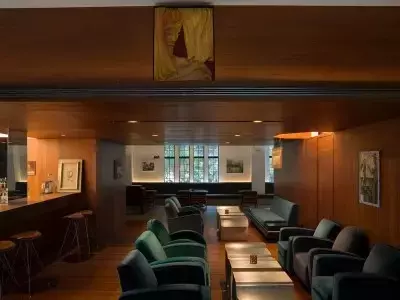
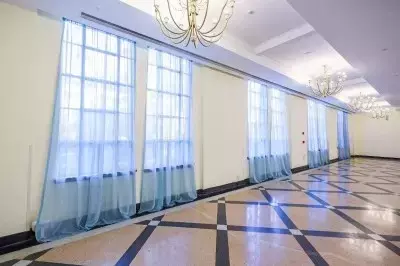
Hang Over Shanghai, a pop-up exhibition held in an Art Deco club, ingeniously integrated artworks into its unique setting, transforming the entire space into an interactive art experience. This initiative aimed to foster a more relaxed environment for dealers and collectors while keeping participation costs manageable for smaller galleries. Similarly, Collector's Residence, a multi-day event, transformed an entire floor of a renovated industrial building into a diverse fair, blending painting, installation, haute couture, ancient artifacts, and collectible furniture. These initiatives showcased a growing trend towards lifestyle-driven and collector-initiated exhibitions, demonstrating the rapid maturation of Shanghai's art-luxury landscape.
Embracing Novelty: A Strategic Shift Towards Modern Masters
Wang Luning, a London-based influencer and art dealer, highlighted the art world's constant appetite for novelty. She strategically presented a dual solo exhibition of modern masters, Chu Teh-Chun and Georges Mathieu, in her private Shanghai space. This pivot from contemporary artists, a focus of her previous year's shows, was a conscious decision to differentiate her offerings amidst a saturated contemporary art scene. This approach not only aligned with the historical ambiance of her venue, a former residence of an early 20th-century industrialist, but also recognized collectors' continued pursuit of quality and higher investment returns in modern works.
