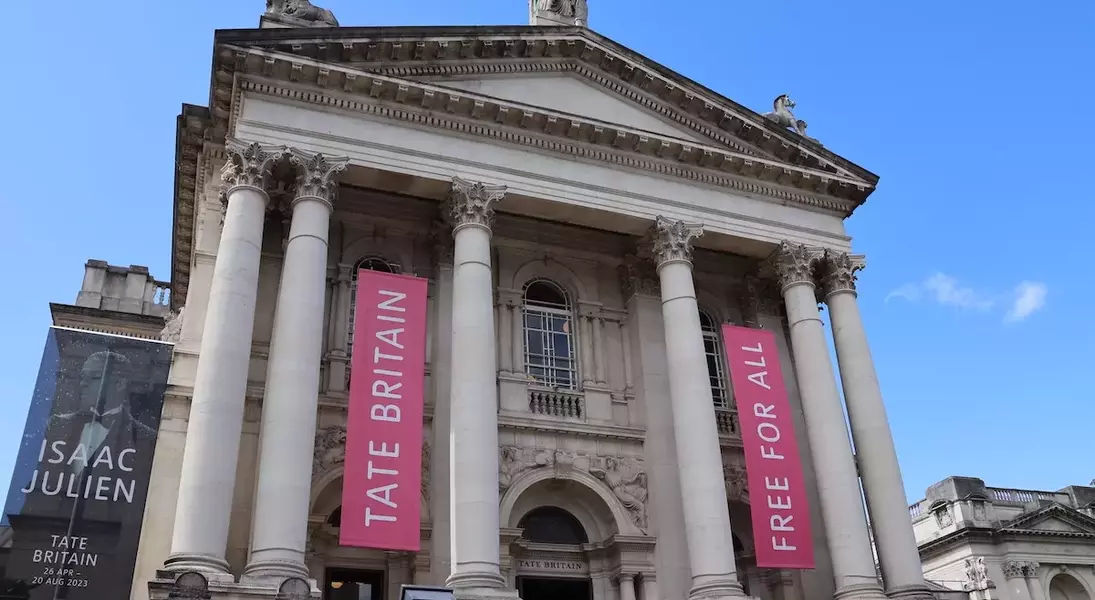
Staff members at the renowned Tate museums across the United Kingdom are preparing for a period of industrial action, driven by dissatisfaction with their current remuneration packages. This collective protest highlights ongoing tensions between museum management and its workforce regarding fair compensation and financial viability.
Unity in Action: Tate Staff Demand Fair Pay
Unrest Brews Across Tate Institutions
Over 150 unionized individuals employed at the various Tate museum branches in Britain have declared their intention to undertake strike action. This decision is a direct response to a pay increase proposal that the union characterizes as "inadequate," failing to meet the basic needs of its members. The Public and Commercial Services Union (PCS) has outlined a strike period spanning from November 26 to December 2.
Overwhelming Support for Industrial Action
The move to strike received near-unanimous backing from the union's membership, with approximately 98 percent of participating voters endorsing the industrial action. This strong mandate reflects deep-seated discontent among employees, further evidenced by a recent survey where more than 72 percent of PCS members at Tate reported that their current earnings are insufficient to cover essential living expenses.
Recent Workforce Adjustments
The impending strike occurs against a backdrop of recent employment cutbacks at Tate. In March, the institution eliminated 40 positions, constituting about 7 percent of its total staff, attributing these reductions to a persistent financial deficit stemming from the Covid-19 pandemic. This round of layoffs was preceded by an even more substantial reduction in 2020, when over 300 jobs were eliminated as the pandemic's impact peaked.
Compensation Disparities and Official Guidelines
Employees at Tate Britain, Tate Modern, Tate Liverpool, and Tate St. Ives were presented with a salary increment ranging between two and three percent. The union points out that this offer falls below the maximum 3.25 percent allowed under the government's Civil Service Pay Remit Guidance, which also provides for an additional 0.5 percent for addressing issues like low pay. PCS General Secretary Fran Heathcote criticized the disparity, noting that while senior directors receive substantial salaries and bonuses, many staff members face financial hardship. She emphasized that the workforce has rejected another "insulting" offer and is prepared to strike, anticipating significant disruptions to gallery operations.
Executive Remuneration Under Scrutiny
Financial disclosures from the museum's annual report for 2024–25 reveal that Tate director Maria Balshaw's salary was £221,862 ($293,064). Managing directors Karin Hindsbo and Carmel Allen earned £174,400 ($230,370) and £161,078 ($212,773), respectively, highlighting a significant gap between executive and general staff compensation.
Strategic Timing and Museum Response
The strike coincides with Tate Britain's preparations for a major exhibition, “Turner & Constable: Rivals & Originals,” scheduled to open on November 27. This exhibition marks the 250th anniversary of the births of British masters John Constable and JMW Turner. In response to the strike announcement, a museum spokesperson informed The Guardian that Tate has made careful financial adjustments to invest in staff pay while maintaining a balanced budget. The spokesperson stated that most roles, including all employees in the lowest three pay brackets, would receive a 3 percent salary increase, with directors forgoing an increase to help manage overall costs. The museum emphasized that a sustainable financial model is crucial for long-term investment in its staff.
Innovative Fundraising Initiatives
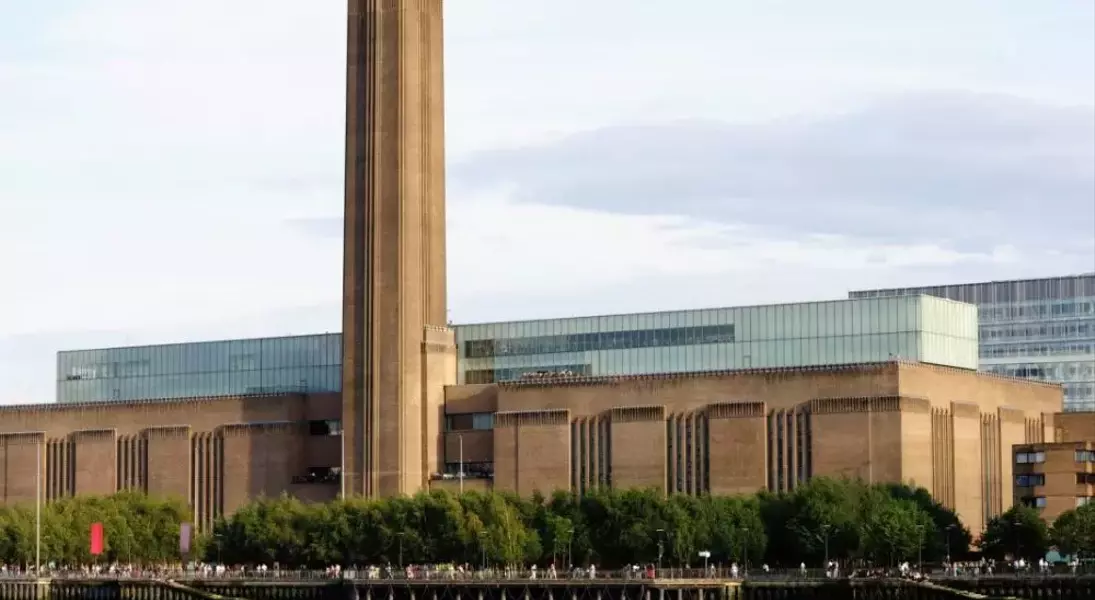
Concurrently, the museum is exploring new avenues for financial generation. Chairman Roland Rudd has put forward the idea of securing naming rights for Tate Modern's Turbine Hall, aiming for a minimum of £50 million ($66 million). This initiative is intended to bolster the London institution’s new endowment fund, known as the Tate Future Fund, which has a target of raising £150 million ($198 million) by 2030.