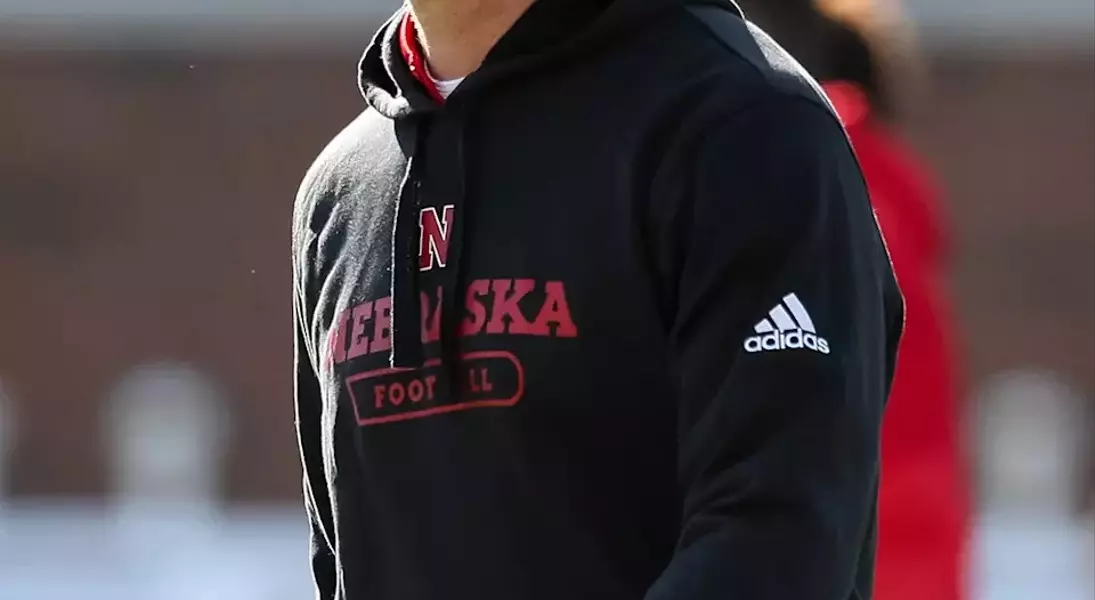
The tenure of Scott Frost as head coach at Nebraska has long been a subject of speculation and debate. Recent revelations from former athletic director Bill Moos's book unveil a surprising truth: neither Frost nor Moos was genuinely enthusiastic about the coaching appointment. This suggests that the decision to bring Frost back to his alma mater was not born out of mutual conviction or a shared vision for the future, but rather a complex interplay of external pressures, sentimental attachment, and perceived obligations. The narrative that unfolds points to a recruitment process where the 'golden boy' was pursued not because he was the perfect fit, but because the institution feared the consequences of him succeeding elsewhere. This 'forced marriage' ultimately led to a disappointing outcome, underscoring the importance of genuine alignment in high-stakes professional decisions.
Scott Frost's coaching journey at Nebraska was largely influenced by factors beyond a sincere desire from either side, as detailed in Bill Moos's recent publication. Moos initially favored Chip Kelly but faced significant pushback from boosters and regents, who insisted on Frost due to his successful stint at UCF and his history as a Nebraska quarterback. This external pressure compelled Moos to pursue Frost, despite his own reservations and Frost's apparent lack of enthusiasm. Frost, thriving at UCF with a modern and innovative approach to football, found himself in a position where declining an offer from his alma mater felt impossible, driven by loyalty to former teammates, mentors like Tom Osborne, and the hopes of friends and family. This situation highlights how emotional gravity and external expectations can overshadow practical considerations and personal inclinations in significant career choices.
The Reluctant Return: An Unwanted Union
The decision for Scott Frost to coach at Nebraska was rooted in external pressures and a sense of obligation, rather than a mutual desire for the partnership. Former athletic director Bill Moos revealed in his memoir that Frost was not his top choice, having initially sought Chip Kelly. However, intense pressure from boosters and university regents, captivated by Frost's success at UCF and his legacy as a Nebraska alumnus, made his recruitment unavoidable. This environment created a situation where Frost, despite his flourishing career in Orlando, felt compelled to consider the offer, driven by a deep-seated loyalty to his alma mater and the expectations of those around him. His seemingly indifferent demeanor during a secret interview—appearing unshaven and in sweats—might have been an unconscious attempt to signal his reluctance, a subtle act of self-sabotage to avoid a commitment he didn't fully embrace.
Moos's account illustrates that the hiring was largely a response to public sentiment and fear of missed opportunity, rather than a strategic football decision. He expressed concerns about the repercussions if Frost achieved success elsewhere, leading him to pursue a coach he didn't entirely believe in. Similarly, Frost, while experiencing immense success at UCF, found himself in a difficult position. Leaving UCF, where he had transformed a winless team into an undefeated powerhouse with a modern, dynamic style of play, for a more sentimental role at Nebraska, was a profound shift. The move to Nebraska was less about seizing the best available coaching opportunity and more about fulfilling a perceived duty. This emotional entanglement led to a partnership that both parties entered into with underlying doubts, ultimately contributing to Frost's challenging tenure and his eventual departure from the program. The episode serves as a powerful cautionary tale about the perils of allowing external pressures to dictate significant professional decisions.
The Cost of Obligation: A Football "Forced Marriage"
The ill-fated coaching tenure of Scott Frost at Nebraska can be best described as a "forced marriage," where both parties entered the arrangement driven by obligation rather than genuine desire. Bill Moos's confessions reveal that he harbored significant reservations about Frost from the outset, initially preferring other candidates. However, the powerful tides of nostalgia and booster influence made it politically untenable to bypass Frost, especially given his status as a beloved alumnus and his then-unparalleled success at UCF. This meant Nebraska hired a coach not because he was their strategic first choice, but because they felt an overwhelming compulsion to do so, fearing the backlash if they didn't bring home their prodigal son. This dynamic set the stage for a relationship built on fragile foundations, where the initial misgivings on both sides lingered beneath the surface.
For Frost, the decision to leave UCF—a program he had revitalized with innovative offensive schemes and a vibrant team culture—for Nebraska was equally complex. While Nebraska offered greater historical prestige and resources, it also represented a departure from an environment where he had complete control and was genuinely happy. He acknowledged later that sometimes one climbs the ladder of success only to realize they were happier where they started. The pressure from his alma mater, former teammates, and a community yearning for a return to past glory proved immense, making it incredibly difficult for him to decline the offer, despite his own reservations. This confluence of internal reluctance and external compulsion created a professional scenario where neither the coach nor the institution was fully invested, leading to a performance riddled with inconsistencies and a failure to meet the lofty expectations. Ultimately, the experience serves as a stark reminder that even well-intentioned decisions, when lacking genuine enthusiasm and alignment, can lead to unfavorable outcomes for all involved.
