
This piece chronicles the re-emergence of an iconic Chilean band and the dedicated effort to unearth and celebrate music from a tumultuous period, highlighting the enduring power of artistic expression against suppression. It delves into the journey of forgotten sounds finding their voice decades later, thanks to a unique collaboration between music and visual arts.
Echoes of Freedom: Unearthing Chile's Suppressed Rhythms
The Long-Awaited Resurgence of María Sonora's Sonic Legacy
In the late 1980s, amidst the shadows of General Augusto Pinochet's authoritarian regime, the Chilean independent ensemble María Sonora forged a distinctive sound, blending diverse genres like dance hall, samba, electronica, and rock. Led by the dynamic sibling duo Sebastián 'Tan' Levine and María José Levine, the band's vibrant performances, characterized by María José's striking handmade attire, provided a burst of color in an otherwise oppressive era. Despite recording a studio album, commercial distribution was unattainable for such unconventional acts under the dictatorship. Consequently, María Sonora resorted to self-releasing their music on a limited number of cassettes, making their work a rare find, known only to a select few within the underground network.
A Miraculous Return to the Stage After Three Decades
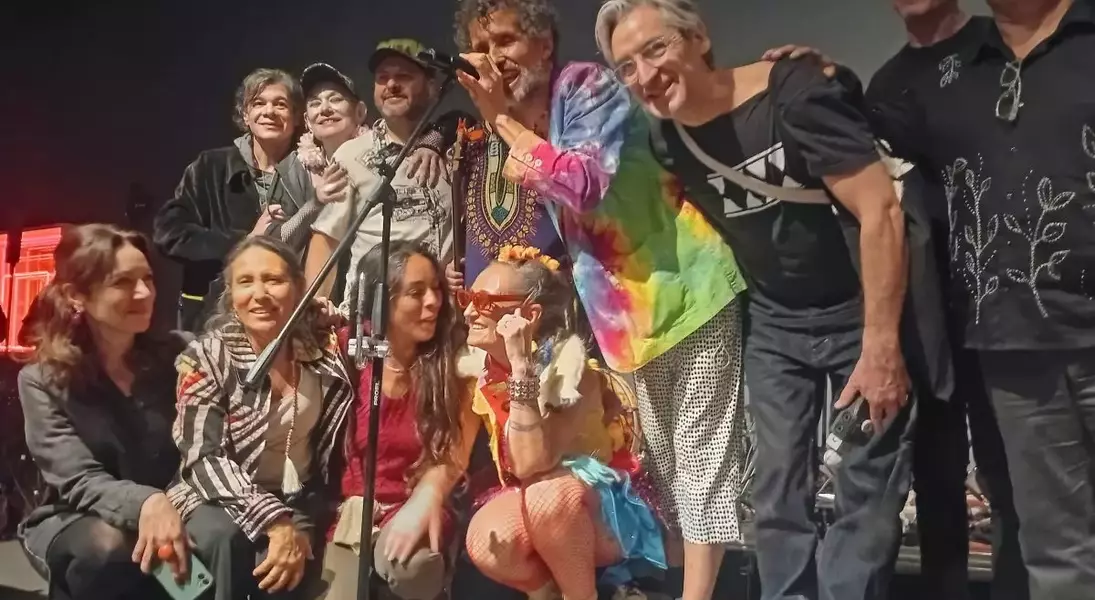
Decades later, a significant moment arrived: María Sonora's self-titled debut finally received a formal release. This occasion was celebrated with their first live concert in 31 years, held at the Centro Cultural Gabriela Mistral (GAM) in Santiago. The sold-out event saw Tan, in a tie-dye blazer, enthusiastically declare, 'María Sonora — 35 years later!' before the band captivated the audience with the lively rhythms of 'Zandunga,' a calypso-infused track.
Iván Navarro's Vision: Hueso Records as a Sanctuary for Sonic Art
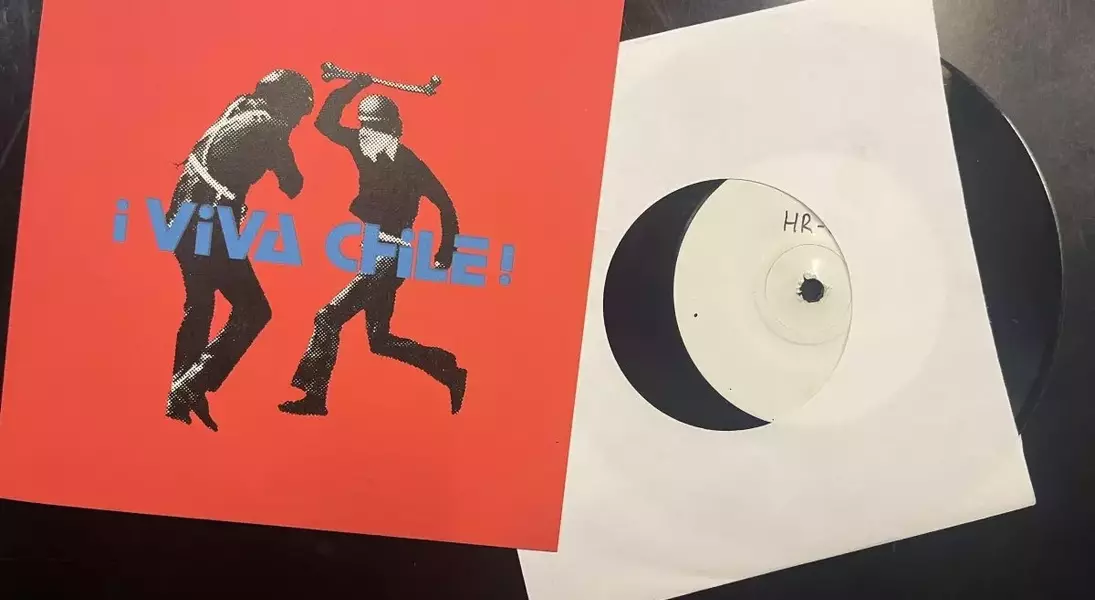
This remarkable revival owes much to the long-standing endeavor of artist Iván Navarro. Renowned for his captivating sculptures that manipulate light and language, Navarro established Hueso Records in 2005. This small but impactful label is dedicated to issuing limited edition sound art and specialized musical projects. Navarro perceives this as a form of public art, aiming to disseminate artistic works through channels beyond traditional galleries, such as record stores, radio, and the internet.
Documenting an Era: Hueso Records' Impact on Chilean Music History
Hueso Records quickly became a vehicle for Navarro to explore the less-documented aspects of Chilean music. He reconnected with the clandestine bands that had fascinated him in his youth—groups whose music, like the punk rock acts Los KK and Pinochet Boys, circulated as illicit cassettes during the dictatorship, often bearing the raw, textured quality of repeated copying. Hueso Records’ releases, including the Pinochet Boys' studio tracks and albums by experimental groups like Electrodómesticos, have played a crucial role in documenting Chile's musical heritage and, by extension, its complex history, as noted by music journalist Marisol García.
Expanding Horizons: ISLAA's Collaboration and the 'Operation Condor' Soundtrack
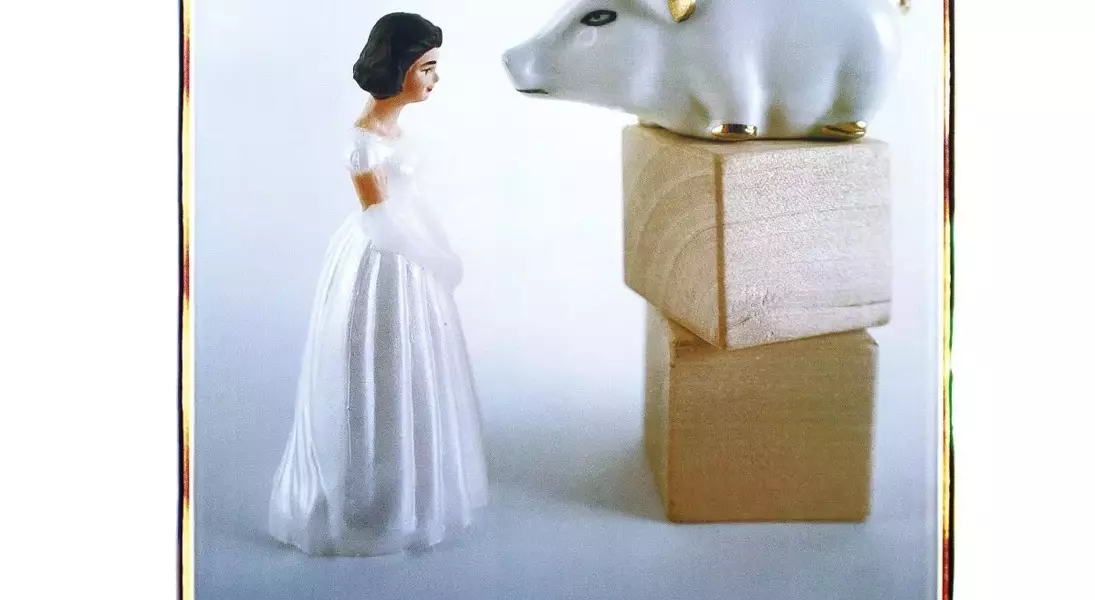
The label's ambitions are now expanding. In 2024, Hueso Records partnered with the Institute for Studies on Latin American Art (ISLAA) to fund projects and identify artists for album cover designs. Recent releases, such as those by the all-woman band Cleopatras and María Sonora, feature artworks by distinguished artists like Liliana Porter and Nelson Leirner, complemented by insightful liner notes from García. ISLAA founder Ariel Aisiks envisions extending this initiative beyond Chile, aiming to release 24 albums from underground bands across Latin America that operated during the dictatorships of the 1970s and '80s. Navarro humorously refers to this series as the 'soundtrack to Operation Condor,' a poignant reminder of art's resilience in the face of political repression.
A Performance of Reclamation: Art, Music, and History Converge
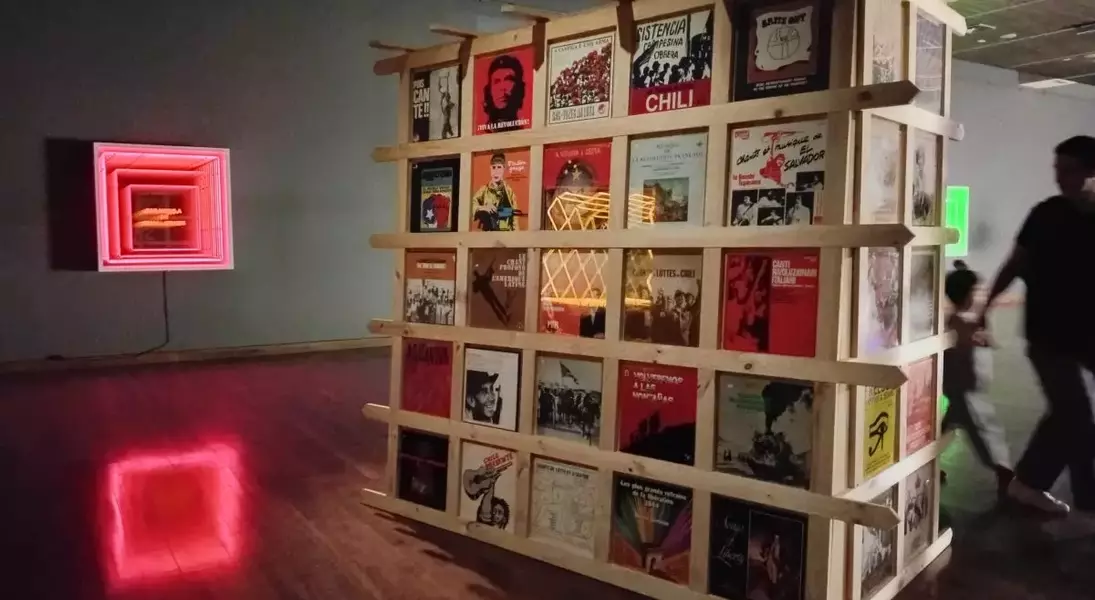
María Sonora's reunion concert in Santiago embodied the powerful synergy between Latin American music and art fostered by Hueso Records. The performance was set within Navarro's 'Penumbra' installation, part of the 17th Bienal de Artes Mediales de Santiago. Marisol García, who curates GAM's 'Interferencias' musical series, orchestrated this event. For Navarro, witnessing this culmination in his homeland, where his father was once a political detainee, represented a profound fulfillment. The concert's significance was heightened by its venue: the GAM building, once a military junta headquarters, now a vibrant cultural hub. Here, María José, adorned in a dazzling outfit of sequins and tulle, performed 'Armenia,' her trumpet-infused melodies resonating amidst Navarro's neon sculptures. The initially reserved audience eventually joined in, dancing to the music, a testament to art's enduring capacity to outlive and triumph over attempts at suppression.
