

Social Security recipients are on the brink of a significant annual announcement concerning their cost-of-living adjustment (COLA) for 2026. This year's increase is poised to be remarkably substantial, following a period of elevated inflation. However, despite the promising figures, many beneficiaries, particularly retired workers, might discover that the adjustment falls short of addressing their actual financial challenges. Factors such as a projected double-digit hike in Medicare Part B premiums and an inherent disconnect between the inflation index used and retirees' spending habits continue to erode the real value of their benefits, leaving little room for celebration.
The annual Cost-of-Living Adjustment (COLA) is a critical mechanism designed to protect the purchasing power of Social Security benefits against inflation. For millions of retirees, individuals with disabilities, and survivors, this adjustment directly impacts their monthly income. The Social Security Administration (SSA) determines the COLA using the Consumer Price Index for Urban Wage Earners and Clerical Workers (CPI-W), focusing specifically on inflation data from the third quarter (July, August, and September) of the preceding year. This data, typically released by the U.S. Bureau of Labor Statistics (BLS) around October 15th, is the final piece of the puzzle in calculating the upcoming year's benefit increase.
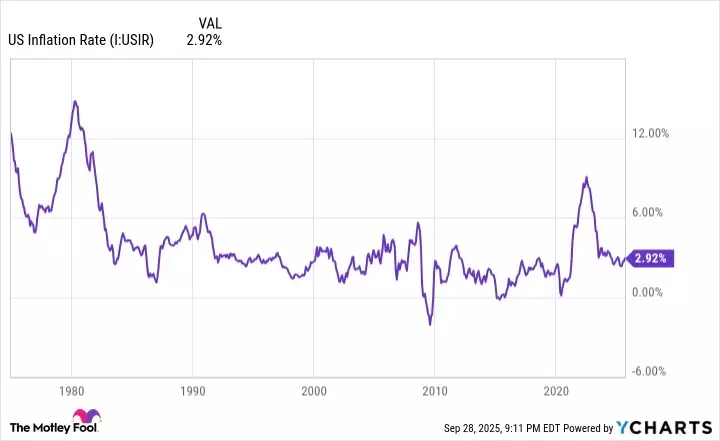
In recent years, beneficiaries have witnessed some of the most substantial COLA increases in decades. This trend was largely driven by a surge in the U.S. money supply during the COVID-19 pandemic, which fueled a significant rise in inflation. For instance, the COLA saw increases of 5.9% in 2022 and a remarkable 8.7% in 2023, marking the highest percentage jump in 41 years. Preliminary forecasts for the 2026 COLA, based on August inflation data, suggest an increase between 2.7% and 2.8%. If these predictions hold true, it would mark the fifth consecutive year of COLAs at or above 2.5%, a consistency not seen since a decade-long period from 1988 to 1997. Such an adjustment could translate to a monthly increase of approximately $54 to $56 for the average retired worker, with proportionate increases for other beneficiary groups.
Despite the seemingly positive outlook, the reality for many Social Security recipients is often one of continued financial strain. A major contributing factor to this disconnect is the rising cost of Medicare. A significant number of retired workers are also enrolled in traditional Medicare, with their Part B premiums typically deducted directly from their Social Security checks. While the 2024 Medicare Part B premium increased by 5.9%, projections from the Medicare Trustees Report indicate an anticipated jump of 11.5% for 2025, reaching $206.20 per month. This substantial increase is expected to absorb a significant portion, if not all, of the COLA for many dual enrollees, effectively negating the benefit of the adjustment.
Beyond Medicare costs, a fundamental flaw in the CPI-W's application as an inflation measure for seniors further exacerbates the problem. The CPI-W is designed to track the spending patterns of urban wage earners and clerical workers, a demographic that differs significantly from the majority of Social Security beneficiaries, 87% of whom are aged 62 or older. Retirees typically allocate a larger portion of their budgets to essential services such as housing and healthcare. However, the CPI-W does not adequately reflect this weighted importance. Consequently, inflation rates for these critical spending categories have consistently outpaced the COLA adjustments, leading to a steady decline in the purchasing power of Social Security benefits. An analysis by The Senior Citizens League (TSCL) revealed that the buying power of a Social Security dollar had decreased by 20% since 2010 due to this disparity. Therefore, while the upcoming COLA may appear historic in its percentage increase, its practical impact on the financial well-being of many retirees remains limited, diminishing the potential for genuine relief or celebration.
